








A Segment Reborn by Numbers
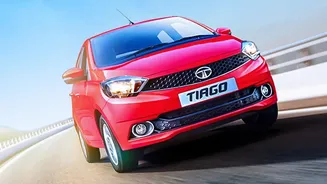
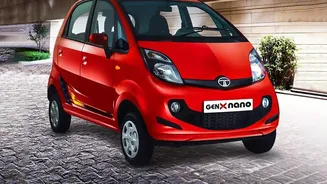
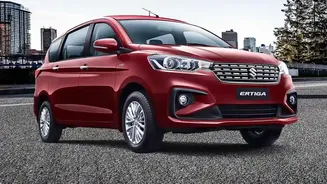
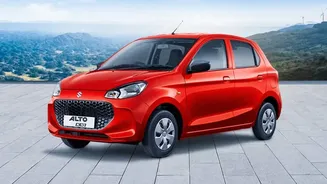
The revival of the mini-car market is not just a minor uptick; it's a verifiable surge. In the months following the tax reform, the entry-level segment has seen explosive growth. Maruti Suzuki, the market leader, reported that sales for its mini cars
like the Alto and S-Presso soared by an incredible 96% in the April to August 2026 period. The company's overall passenger vehicle sales grew by 36% in the same period, indicating that the entry-level boom is a significant driver of its success. This has resulted in the share of first-time buyers in Maruti's sales climbing to 54%, a sharp increase from 42% just a year earlier. This is the most significant spike in first-time buyer contribution since the post-pandemic recovery, signaling a fundamental shift in market dynamics. Other manufacturers like Tata Motors and Mahindra & Mahindra have also reported a notable rise in first-time buyers, underscoring the widespread impact of improved affordability.
The GST 2.0 Game-Changer
The primary catalyst for this turnaround is the government's GST 2.0 reform, which took effect in September 2025. This policy move drastically simplified the tax structure, and most importantly for this segment, it slashed the Goods and Services Tax (GST) on small cars—those under four meters in length—from 28% down to 18%. The reform also eliminated the complex and often hefty compensation cess that was previously levied on top of GST. For the budget-conscious consumer, this was a game-changer. The 10-percentage-point tax drop directly translated into lower ex-showroom prices, making the dream of owning a car accessible to a much wider audience. Industry executives have hailed the policy for widening the market base and providing fresh momentum to India's journey towards mass motorisation.
Welcoming the First-Time Buyer
For years, the entry-level car segment had been squeezed by rising costs due to stricter safety and emission norms, pushing prices just out of reach for many. This sales surge indicates that a significant portion of the population was waiting on the sidelines for an opportunity to upgrade from two-wheelers or to purchase their family's first four-wheeler. The return of these buyers is a crucial development for the health of the entire auto industry, as it expands the pyramid of car ownership from the base. The trend is particularly strong in rural and semi-urban (Tier-2 and Tier-3) markets, where affordability is the single most important factor. According to the Federation of Automobile Dealers Associations (Fada), much of the revival has been driven by these rural markets, highlighting a "Bharat-led" consumption story.
A Rising Tide Lifts (Almost) All Boats
While mini-hatchbacks are the headline story, the tax rationalisation has had a broader positive effect. Overall, vehicles in the 18% GST slab saw a 29% rise in sales between April and August. This category includes not just the Maruti Alto but also popular models like the WagonR and Tata Punch, indicating a healthy demand across the small vehicle spectrum. However, it's important to note that the consumer's love for SUVs remains strong. Even as small cars make a comeback, SUVs have continued to expand their overall market share, climbing to 58% of all passenger vehicle sales. The data suggests that while the tax cut has successfully arrested the decline of the hatchback, it hasn't reversed the long-term aspirational trend towards bigger vehicles. Instead, two distinct trends are now coexisting: a value-driven recovery at the entry-level and a preference-driven boom in SUVs.
Can the Momentum Be Sustained?
The critical question is whether this is a temporary sugar rush or the beginning of a sustainable trend. The initial surge is clearly linked to the tax cut making cars more affordable. This has allowed manufacturers to stimulate the market through genuine price reduction rather than relying on heavy discounts. The sustained sales growth nearly a year after the GST 2.0 rollout suggests that the impact is more than just a short-term reaction. However, the segment remains sensitive to external factors. Future regulatory changes, rising input costs, or a sharp increase in fuel prices could once again challenge the affordability equation. For now, the industry is optimistic. Automakers are ramping up production and investments, confident that a wider, more accessible market provides a stronger foundation for long-term growth and competitiveness.