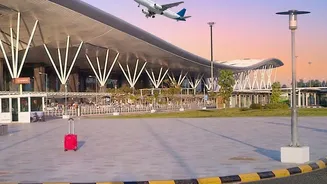









The Alipurduar Airport Proposal
The core of the plan for Alipurduar district involves developing a civil enclave at the existing Air Force base in Hasimara. This means the airport's runway and air traffic control, which are currently used for military purposes, will be opened up for civilian
passenger flights. The proposal is part of a wider Memorandum of Understanding (MoU) recently signed between the Union Civil Aviation Ministry and the West Bengal government to enhance regional connectivity under the UDAN scheme. The plan for Hasimara has generated significant enthusiasm, as it promises to drastically cut travel time to the Dooars region, known for its lush forests, tea gardens, and wildlife sanctuaries. This development has been a long-standing demand in the region, with previous efforts reportedly stalling over issues like land acquisition.
Part of a Statewide Strategy
The Hasimara airport is not an isolated project. It is one of four new airports announced for West Bengal, with the goal of doubling the number of operational airports in the state from four to eight within the next two years. The other three locations are Chharra in Purulia, Kalaikunda in Paschim Medinipur, and Balurghat in Dakshin Dinajpur. This ambitious expansion is backed by a central commitment of ₹29,000 crore for the state's aviation sector over the next decade. Under the agreement, the state government is responsible for providing land and basic infrastructure like power and water, while the Airports Authority of India (AAI) will manage the development and subsequent flight operations. The broader vision is to create a robust network that connects North and South Bengal more effectively and brings smaller towns and industrial areas into the national aviation map.
Unlocking Economic and Tourism Potential
For Alipurduar and the surrounding districts of Jalpaiguri and Cooch Behar, a new airport is a potential game-changer. The primary beneficiaries are expected to be the tourism and hospitality sectors. The Dooars region, with attractions like Jaldapara National Park and Buxa Tiger Reserve, currently relies heavily on the airport at Bagdogra, which is several hours away by road. Direct air access to Hasimara would make the region far more accessible for tourists from across the country and even neighbouring Bhutan. This could spur investment in new hotels, resorts, and homestays. Beyond tourism, improved connectivity is also expected to benefit the local tea industry, facilitate business travel, and make movement easier for military personnel stationed in the area.
Challenges and the Path Forward
While the agreement marks a significant step forward, the path to the first flight taking off from Hasimara has its hurdles. The project has a targeted completion timeline of around two years, which is contingent on the timely handover of land and development of supporting infrastructure. The Centre has requested approximately 37.74 acres from the state for the civil enclave project. Success will also depend on the commercial viability of flight routes. For the airport to be sustainable, airlines must see sufficient passenger demand to operate regular services. Union officials have also urged the state government to formulate a new civil aviation policy to attract more private investment into the sector, which could accelerate growth and ensure the long-term success of these new regional airports.