


The Science of Cold Damage
Refrigeration works by slowing down the biochemical reactions that cause food to spoil. For many items like meat and dairy, this is essential. However, for certain fruits and vegetables, cold temperatures can be destructive. The chill can damage cell
membranes, leading to a mushy or mealy texture, and halt the production of enzymes that create flavour and aroma. This process, known as chilling injury, is especially common in produce that originated in tropical or subtropical climates, as their cells are not built to withstand the cold. The result is often bland, texturally unpleasant food that could have been delicious if stored correctly.
Tomatoes: A Countertop Classic
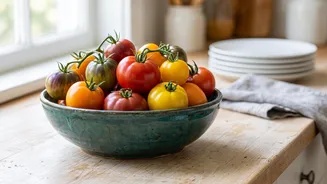
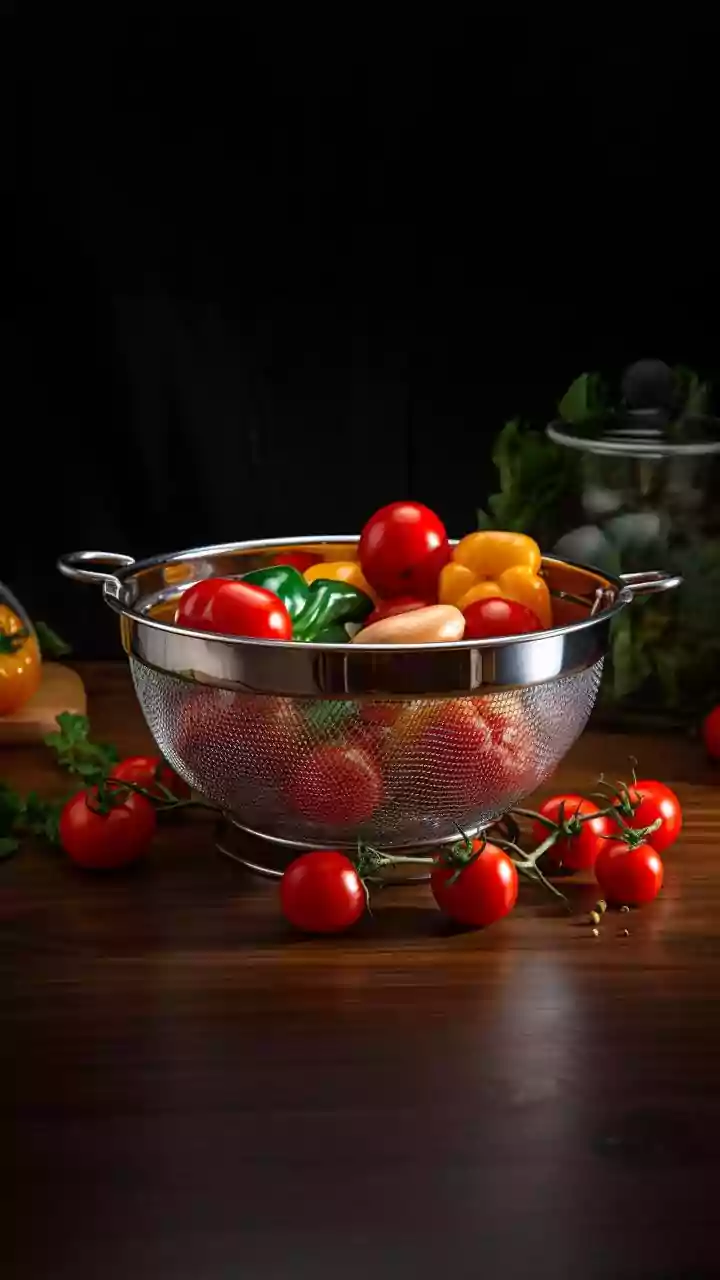
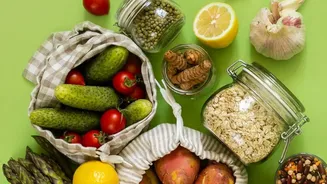
The most common victim of wrongful refrigeration is the tomato. Cold temperatures halt the ripening process and permanently damage the fruit's flavour and texture. Refrigeration breaks down the membranes inside the tomato, resulting in a mealy, watery, and bland product. For the best taste, store whole, uncut tomatoes on your countertop, stem-side down to prevent moisture loss. If they are underripe, keeping them at room temperature will allow them to develop their full sweetness and aroma. Only once a tomato is fully ripe and you need to extend its life by a day or two, or after it has been cut, should it see the inside of a fridge. Even then, let it return to room temperature before eating to revive some of its flavour.
Potatoes and Onions: Dark, Dry, and Separate
Potatoes and onions are pantry staples, but they require specific conditions. When potatoes are refrigerated, the cold temperature converts their starch into sugar. This not only gives them an unpleasantly sweet taste but also causes them to develop a gritty texture when cooked. Store potatoes in a cool, dark, and dry place with good air circulation, like a paper bag or a basket in a pantry. Onions, on the other hand, need air but can become soft and mouldy in the humidity of a refrigerator. Crucially, never store potatoes and onions together. Onions release ethylene gas, which accelerates the sprouting and spoilage of potatoes.
Bread: The Freezer Is Your Friend, Not the Fridge
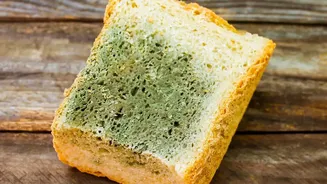
Contrary to popular belief, refrigerating bread does not keep it fresh; it makes it go stale much faster. The cold environment accelerates a process called starch retrogradation, where the starch molecules recrystallize and harden, leading to a dry, crumbly loaf in just a day or two. The best place to store bread you'll eat within a few days is at room temperature in a bread box or a paper bag. For longer-term storage, the freezer is the ideal solution. Freezing almost completely halts the staling process, preserving the bread's texture and flavour far more effectively. You can freeze a whole loaf or individual slices for convenience.
Considering Climate: The Indian Context
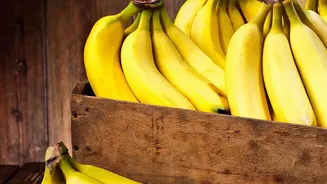
Standard food storage advice often assumes a temperate climate. In many parts of India, high heat and humidity can accelerate spoilage, forcing a more nuanced approach. While a tomato is best on the counter, in a very hot kitchen it may over-ripen and spoil in a day. In such cases, a brief stint in the fridge once it's perfectly ripe may be the lesser of two evils to prevent waste. Similarly, for items like onions and potatoes, finding a truly 'cool, dark, dry place' can be challenging. An airy basket in the least warm part of the kitchen is a good compromise. The key is observation. For tropical fruits like bananas and mangoes, keep them out of the fridge until they are ripe, then you might refrigerate them for a short period to prevent them from quickly turning mushy, accepting a slight loss in texture for a longer window of usability.