



The Simple Science of Soaking
Soaking dal before cooking is more than just a tradition passed down through generations; it's a practice rooted in food science. Lentils and legumes contain anti-nutrients like phytic acid and tannins, which can interfere with your body's ability to
absorb essential minerals like iron, zinc, and calcium. Soaking activates an enzyme called phytase, which helps break down phytic acid, making these nutrients more available to your body. This simple step also reduces complex sugars called oligosaccharides, which are a primary cause of bloating and gas, making the dal easier to digest. The result is a more nutritious and comfortable meal.
Better Texture and Faster Cooking
Beyond the health benefits, soaking has a significant impact in the kitchen. Pre-hydrated dals cook faster and more evenly. Harder dals, like chana or rajma, soften during the soak, which drastically cuts down on pressure cooking or simmering time. This ensures a consistent texture, preventing that unpleasant mix of mushy and undercooked grains in your final dish. A good soak allows the lentils to swell and soften, making them more receptive to the spices and aromatics in your tadka. This means the flavours penetrate the dal more deeply, leading to a richer, more integrated taste. For the best results, always discard the soaking water, as it contains the very anti-nutrients and starches you're trying to eliminate, and cook the dal in fresh water.
A Guide to Common Dal Soaking Times
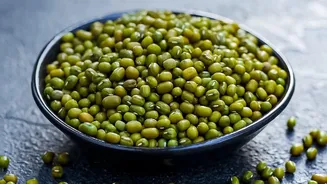
Not all dals are created equal, and their soaking times vary depending on their size, whether they are whole or split, and if they have their skin on. The general rule is simple: the larger and harder the lentil, the longer it needs to soak. Toor/Arhar Dal (Split Pigeon Peas): A staple in most Indian households, toor dal benefits from a short soak of about 30 minutes to an hour. This helps it cook faster and improves digestibility. Masoor Dal (Red Lentils): Both whole (sabut) and split (dhuli) masoor are popular. Split red lentils cook very quickly and don't strictly require soaking, though a 15-30 minute rinse and rest is beneficial. Whole masoor, with its skin intact, should be soaked for 2-3 hours. Moong Dal (Mung Beans): This is one of the easiest dals to digest. Split and skinned yellow moong dal needs only 15-30 minutes of soaking. Whole green moong, however, has a tough outer skin and benefits greatly from a 4 to 6-hour soak, especially if you plan to sprout it. Chana Dal (Split Chickpeas): Being dense and firm, chana dal is one that you should not skip soaking. A good 4 to 6 hours is essential for it to cook evenly and become creamy. Some even recommend soaking it for up to 8 hours. Urad Dal (Black Gram): The type of urad dal determines the soaking time. Split white urad, often used for idli and dosa batters, should be soaked for at least 1-2 hours. Whole black urad, the star of dal makhani, requires a much longer soak of 6 to 8 hours, or even overnight, to achieve its signature creamy texture. Rajma and Chole (Kidney Beans and Chickpeas): While technically legumes and not dals, they are often cooked similarly. Due to their size and density, these require a long soak of at least 8-12 hours, or ideally overnight. This step is non-negotiable for achieving a soft texture and avoiding digestive issues.
Are There Exceptions?
Yes, some dals cook so quickly that soaking is often considered optional. Split red lentils (masoor dal) and split yellow moong dal are prime examples. They can be cooked after a thorough rinse, making them perfect for quick, weeknight meals. However, even for these quick-cooking dals, a brief 20-30 minute soak can help improve their texture and digestibility, especially for those with sensitive stomachs. Ultimately, if you're short on time, these are the dals to reach for, but if you have a few moments to plan ahead, a little soaking never hurts.