




The Heart of the Proposal
The Food Safety and Standards Authority of India (FSSAI) has released a draft amendment titled the 'Food Safety and Standards (Prohibition and Restrictions on Sales) Amendment Regulations, 2026'. Notified on September 22, the core of this proposal is to
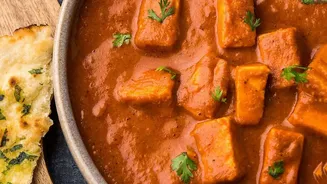
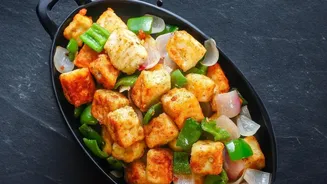
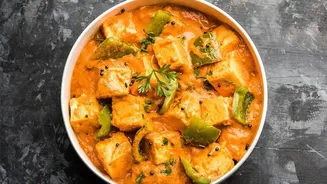
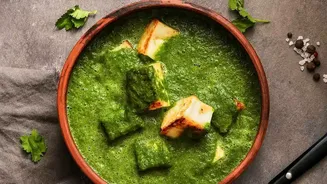
restrict the manufacture and sale of products as 'paneer' if they are not made from milk. The regulation specifically targets what it calls “paneer made of constituents not derived from milk.” If the draft becomes law, any business holding a license under the ‘Analogue in Dairy Context’ category will have to stop using the term 'paneer' on their packaging, marketing materials, and any form of advertising. The primary goal stated by FSSAI is to prevent consumers from being misled about the true nature and composition of the product they are buying.
What is Analogue Paneer?
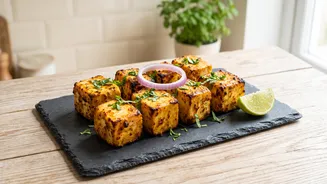
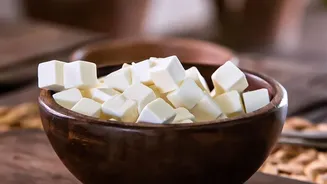
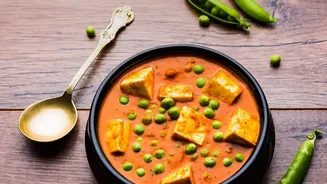
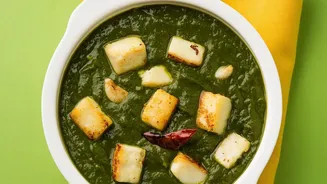
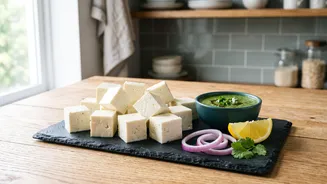
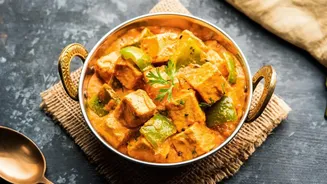
To understand the regulation, one must first understand what 'analogue paneer' is. While traditional paneer is a fresh cheese made by curdling cow or buffalo milk with a food-grade acid, analogue versions are different. Analogue products are designed to imitate the look, texture, and function of their dairy counterparts but are made by replacing milk components, either partially or fully, with non-dairy ingredients. These can include vegetable oils, starches, plant proteins, and emulsifiers. These substitutes are often cheaper to produce, making them an attractive option for some food businesses, especially in the hotel, restaurant, and catering sectors. FSSAI has a recognized category for these products, called 'Analogue in Dairy Context', so their existence is not illegal, but the way they are presented to consumers is now under scrutiny.
The Push for Consumer Clarity
The FSSAI's move is driven by a desire to ensure that when a customer buys a product labelled 'paneer', they are getting exactly that—a product made from milk. The concern is that without clear differentiation, consumers may unknowingly purchase non-dairy substitutes under the guise of the real thing. This is particularly challenging when eating out, as consumers do not see the original packaging and must rely on menu descriptions, which may not disclose the use of an analogue product. Several states, including Maharashtra, Gujarat, and Karnataka, have already taken action against the sale of unlabelled analogue paneer, citing public health and consumer rights concerns. FSSAI's national proposal aims to create a uniform standard across the country.
Impact on the Food Industry
The proposed regulations will have a significant impact on manufacturers and sellers of non-dairy paneer alternatives. These businesses will need to rethink their branding and marketing strategies, coming up with new, clear names for their products that do not include the word 'paneer'. This extends beyond just retail packaging to restaurant menus and online food delivery platforms, which will also have to ensure their descriptions are accurate. For the traditional dairy industry, this move is a protective measure, safeguarding the identity and integrity of a classic dairy product. For the burgeoning plant-based and alternative food sector, it presents a challenge to innovate in branding while clearly communicating the nature of their products to consumers.
What Happens Next?
It is important to note that these changes are not yet final. The FSSAI has issued this as a draft regulation and has opened a 60-day window for stakeholders—including manufacturers, industry bodies, and the public—to submit objections and suggestions. After this period, the authority will consider the feedback before publishing a final notification. If the rule is finalized in its current form, businesses will have to adapt to the new naming conventions. This could lead to a clearer, more transparent marketplace where consumers can easily distinguish between milk-based paneer and the growing variety of analogue alternatives available.