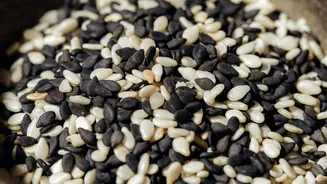






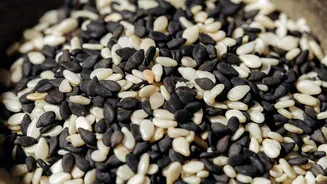

A Nutritional Powerhouse in a Tiny Seed
Don’t let their small size fool you; sesame seeds are loaded with nutrients. A significant portion of their makeup is fat, but it's the healthy kind. They are rich in monounsaturated and polyunsaturated fats, which studies indicate may help lower cholesterol
and reduce heart disease risk when they replace saturated fats. They are also an excellent source of dietary fibre, with about three grams in a three-tablespoon serving. Fibre is crucial for digestive health and has been linked to a reduced risk of heart disease, obesity, and type 2 diabetes. Beyond fats and fibre, sesame seeds deliver a wealth of minerals. They are packed with magnesium, which can help lower blood pressure, as well as calcium, manganese, and zinc, all of which are important for bone health. They also contain iron, copper, and a range of B vitamins.
From Seed to Paste to Oil: Understanding the Forms
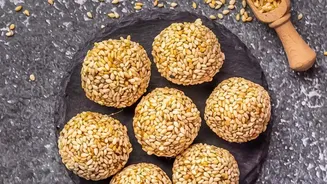
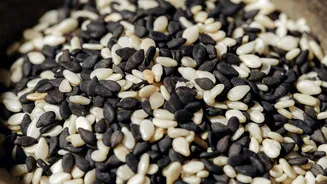
Sesame comes in several forms, and their nutritional profiles differ. Whole seeds, whether hulled or unhulled, provide fibre, protein, and a full spectrum of minerals. Roasting them can enhance their nutty flavour and may even improve the absorption of their nutrients. Tahini, a creamy paste made from ground sesame seeds, is a staple in Middle Eastern cuisine. It retains much of the seed's protein, fibre, and minerals, making it a nutrient-dense choice for dressings, sauces, and spreads like hummus. Sesame oil, which is extracted from the seeds, is almost pure fat. While it loses the fibre and protein, it remains a source of the heart-healthy unsaturated fats and potent antioxidants, like vitamin E, that make sesame so valuable. However, because the oil is more processed, tahini and whole seeds are generally considered the more nutritionally complete options.
What the Clinical Trials Reveal
Scientific interest in sesame is growing, with clinical trials exploring its effects on various health markers. Several studies suggest that regular consumption of sesame may help manage cholesterol and triglycerides. One study involving people with high blood lipids found that eating 40 grams (about five tablespoons) of hulled sesame seeds daily for two months led to a 10% reduction in LDL ('bad') cholesterol and an 8% drop in triglycerides. Other research points to sesame's potential to help lower blood pressure, a benefit often attributed to its high magnesium content and compounds called lignans. These lignans, particularly sesamin and sesamolin, function as antioxidants that help combat cellular damage in the body. Some reviews of clinical trials have noted that sesame consumption may reduce certain inflammatory markers. However, it's important to note that studies have used various forms (seeds, oil, powdered supplements) and doses, so more research is needed to establish definitive recommendations.
Easy Ways to Boost Your Meals
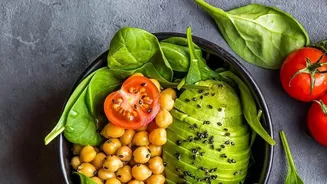
Incorporating sesame into your diet is simple and delicious. The easiest way is to sprinkle whole or toasted sesame seeds over your dishes. Try them on salads, steamed vegetables like broccoli, stir-fries, or even in your morning cereal or yoghurt. Tahini is incredibly versatile. Whisk it with lemon juice, garlic, and water for a creamy salad dressing or a dip for vegetables. It’s also the key ingredient in hummus and can add richness to smoothies and baked goods. Sesame oil, particularly the toasted variety, adds a distinctive nutty flavour to Asian-inspired dishes, dressings, and marinades. You can even make your own sesame milk by soaking and blending the seeds with water for a fibre-rich, homemade alternative. Just a spoonful or two a day is a great way to start reaping the benefits.