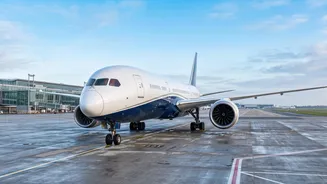








The Airfare Forecast for 2027
If you are hoping for a significant drop in ticket prices, experts suggest tempering your expectations. While the dramatic price spikes of the recent past may level off, the general consensus points towards a 'new normal' of elevated fares. According
to the 2027 Global Business Travel Forecast, price increases are expected to moderate in 2027, but are unlikely to return to previous lows. Airline CEOs, including United's Scott Kirby, have predicted 'gradual increases' in fares, citing persistently strong travel demand. A primary driver of this is the high and volatile cost of jet fuel. Another emerging factor is the cost of sustainability. As airlines are mandated to blend more expensive Sustainable Aviation Fuel (SAF) into their supply, these costs are being passed to consumers through 'environmental surcharges', a trend already started by carriers like Lufthansa. While some specific routes may see price drops due to increased competition or airline capacity, the overall trend suggests that cheap flights will be harder to come by.
The Planner's New Reality
The era of last-minute bargains seems to be fading, replaced by a clear advantage for those who plan ahead. With prices on a gradual upward trend, booking early is becoming the most reliable strategy to lock in a reasonable fare. This shift is changing traveller behaviour. According to data from Skyscanner, travellers are not necessarily travelling less but are managing their budgets more carefully and planning further in advance. In fact, 82% of travellers plan to travel the same amount or more in 2027, but they are becoming more deliberate about their spending. This means prioritising what is important, with 60% of travellers in one market planning to increase their budgets for flights and accommodation, while cutting back on non-essential upgrades. The cost of the flight and hotel are now primary factors in the choice of destination itself.
The Supply Side Squeeze
It is not just about demand. Airline capacity—the number of planes and seats available—plays a crucial role in pricing. Several factors are constraining this supply. One significant issue, particularly in the US, is a shortage of air traffic controllers, which directly limits how many flights airlines can operate. Delta's CEO, Ed Bastian, has explicitly linked elevated fares through 2027 to the time it will take the FAA to hire and train new controllers. Furthermore, persistent aircraft delivery delays and labour shortages across the industry mean airlines cannot expand their fleets and schedules as quickly as they would like. This structural scarcity of seats provides little incentive for airlines to lower prices, especially when demand remains robust.
Your Smart Travel Strategy for 2027
Navigating the 2027 travel landscape will require a more strategic approach. Flexibility remains a powerful tool. Being open to travelling during the 'shoulder seasons'—the periods just before and after the peak season—can unlock significant savings. A growing number of travellers are also opting for quieter, less-crowded destinations to avoid the high prices and overtourism of popular hotspots. Another key trend is the rise of 'currency chasing', where travellers, particularly younger generations, are choosing destinations where their money goes further due to favourable exchange rates. Finally, technology is becoming an indispensable ally. AI-powered trip planning tools are moving from novelty to mainstream, helping travellers generate itineraries, compare costs, and receive personalised recommendations. While trust in AI is still developing, its ability to process vast amounts of data to find the best value is undeniable.