


Understanding the New Policy
In a significant move to boost tourism and strengthen ties, Uzbekistan's President Shavkat Mirziyoyev announced a 30-day visa-free entry policy for Indian citizens. This development, part of a broader tourism cooperation program for 2026-2028, removes
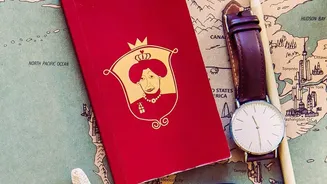
a major hurdle for Indians planning a trip to the heart of Central Asia. Previously, Indian travellers had to apply for an e-visa online. While the policy has been officially announced during Prime Minister Narendra Modi's state visit, travellers are advised to wait for the formal start date and check official embassy channels before making non-refundable bookings. The move is expected to be reciprocal, with Uzbek citizens also gaining similar access to India.
What You Will Likely Need
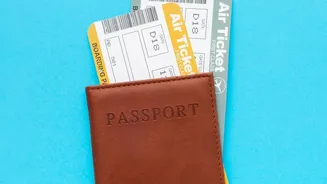
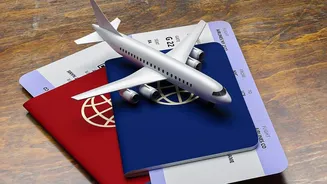
Even with visa-free travel, standard international entry requirements will still apply. While the final rules are yet to be published, Indian travellers should be prepared to present several key documents upon arrival. These typically include a passport with at least six months of validity, proof of a return or onward flight ticket, and confirmation of hotel bookings for your stay. It is also wise to have travel insurance. The 30-day period allows for ample time to explore, whether for a short holiday, a family visit, or a business trip. For stays longer than 30 days, a formal visa will still be necessary.
Why Uzbekistan Should Be on Your List
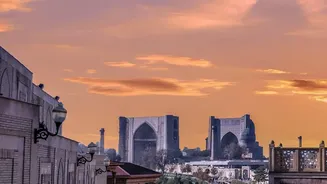
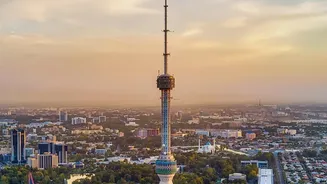
Uzbekistan offers a captivating journey through time, with its cities forming the mythical Silk Road. The country is a treasure trove of breathtaking Islamic architecture, bustling bazaars, and deep cultural history. Key cities like Samarkand, Bukhara, and Khiva are UNESCO World Heritage sites. In Samarkand, the majestic Registan Square is a must-see, while Bukhara's ancient city centre offers a maze of historic mosques and madrasas. The capital, Tashkent, presents a unique blend of Soviet-era buildings and modern architecture. For Indian travellers, the culture has familiar echoes, from shared culinary roots—dishes like plov and samsa are reminiscent of Indian pulao and samosas—to strong historical connections, including the legacy of the Mughal dynasty.
The Bigger Picture: A Growing Partnership
This visa-free policy is more than just a tourism initiative; it's a sign of the deepening strategic partnership between India and Uzbekistan. Bilateral trade between the two nations has surpassed one billion US dollars, and the number of joint ventures has seen a sevenfold increase in recent years. Connectivity is also robust, with about 14 direct flights operating between India and Uzbekistan weekly. Furthering this connection, an agreement now allows Indian visitors to use UPI apps to make payments by scanning Uzbekistan's national UZQR codes, simplifying transactions for tourists. These moves, combined with cultural exchanges like the popularity of Yoga in Uzbekistan, signal a new era of cooperation.
Planning Your First Trip
The best times to visit Uzbekistan are during the spring (March-May) and autumn (September-October), when the weather is pleasantly warm and ideal for sightseeing. Summers can be extremely hot, while winters are quite cold. When packing, think layers, especially if travelling in the shoulder seasons. The local currency is the Uzbekistani Som (UZS), and while credit cards are accepted in larger hotels and restaurants in Tashkent, carrying cash is recommended for bazaars and smaller towns. Russian is widely spoken, but you'll find English speakers in major tourist areas. With the new visa-free access, exploring this historic and hospitable country has never been more accessible for Indians.