






The Protein Obsession
Our modern food landscape is in the grip of a protein craze. Food marketers have successfully turned this essential macronutrient into a buzzword for health, fitness, and weight loss. Products that were never known for their protein content are now reformulated
and rebranded to highlight their new, enhanced status. This has led many well-intentioned consumers to believe that the key to a healthy diet is simply to maximise their protein intake, often by choosing processed items like bars, shakes, and fortified snacks over traditional foods.
How Much Protein Do We Really Need?
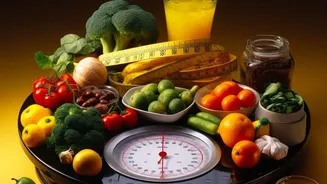
Before you swap your dal for a protein shake, it's important to understand your actual needs. The Recommended Dietary Allowance (RDA) for a healthy but largely sedentary adult is a modest 0.8 grams of protein per kilogram of body weight. For a 70 kg person, that’s about 56 grams a day—an amount easily met by a typical Indian diet. Active individuals, athletes, and older adults may need more, ranging from 1.2 to 1.7 grams per kilogram, to support muscle repair and prevent age-related muscle loss. However, most people are already meeting, if not exceeding, their daily protein requirements without realising it.
The Problem with a Protein-Only Focus
When we fixate on one nutrient, we risk creating an unbalanced diet. Chasing high protein numbers often comes at the expense of other crucial elements. For instance, many heavily processed protein products are low in dietary fibre, which is vital for digestive health and stable blood sugar. They may also lack the rich array of vitamins, minerals, and antioxidants found in whole foods. This tunnel vision means you might hit your protein goal but miss out on the very micronutrients your body needs to function optimally. Furthermore, extremely high protein intake can strain the kidneys and, in some cases, lead to digestive issues or dehydration.
Introducing 'Diet Quality'
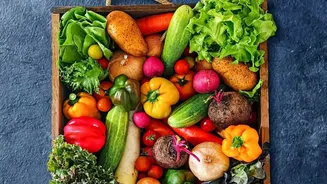
So, what’s the alternative? It’s shifting your focus from quantity to quality. A high-quality diet is one that is rich in nutrient-dense foods. These are foods that provide a wealth of vitamins, minerals, fibre, and healthy fats relative to their calorie count. Think of it this way: protein is just one player on your body’s team. To win the game of health, you need the entire team—the fibre from vegetables, the antioxidants from fruits, the healthy fats from nuts and seeds, and the complex carbohydrates from whole grains. A high-quality diet ensures all players are on the field.
The Whole Food Advantage
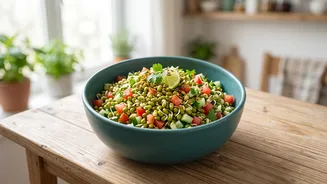
The source of your protein matters immensely. The protein in a bowl of lentils, a piece of grilled fish, or a serving of paneer comes packaged with other beneficial nutrients that work in synergy. This is what experts call the 'food matrix'. In contrast, the isolated protein found in many powders and bars has been stripped of these co-factors. While a protein supplement can be convenient after a workout or in a pinch, it cannot replicate the complex nutritional benefits of whole foods. Whole foods are more satisfying, digest slower, and provide a broader spectrum of nutrients that support everything from gut health to immunity.
Making Smarter Choices
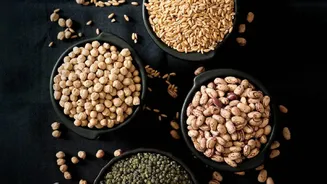
Improving your diet quality doesn’t require a radical overhaul. Start by prioritising whole, minimally processed foods. When you're at the grocery store, get into the habit of reading the entire nutrition label, not just the protein content. Pay attention to the ingredient list; shorter is usually better. Be wary of foods high in added sugars, sodium, and unhealthy fats, even if they boast a high protein number. Aim for variety. Instead of relying on the same few sources, include a mix of plant-based proteins like beans, lentils, and chickpeas, alongside lean animal sources like curd, eggs, and fish if you are a non-vegetarian.