


The Siren Song of the Checklist
The travel plan for Iceland often looks like a series of bullet points: Gullfoss, Seljalandsfoss, Skógafoss, repeat. Spurred on by perfectly curated social media feeds and guidebooks that rank attractions, the impulse to create a comprehensive checklist
is powerful. This approach, sometimes called "fast travel," treats a destination as a list of sights to be collected and crossed off. It promises efficiency and the satisfaction of seeing everything deemed essential. You rent a car, follow the Ring Road, and hop from one designated photo spot to the next. The allure is understandable; with so much beauty on offer, the fear of missing out is real. This method guarantees you will see a lot. But does it guarantee you will feel anything?
The Hidden Cost of the Chase
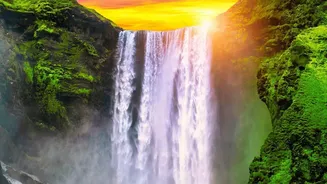
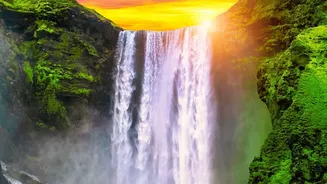
The reality of the checklist approach often falls short of the dream. Instead of serene contemplation, you find crowded car parks and queues of people waiting for the same photograph. The experience becomes about navigating the logistics of the crowd rather than connecting with the landscape. You arrive at the mighty Skógafoss, but your main focus is finding an angle that doesn't have a tour bus in the frame. This constant movement creates a low-level stress, where the journey is about getting to the next stop rather than enjoying the present one. It can leave you feeling as though you need a vacation from your vacation, with a camera full of images but a spirit that feels surprisingly empty. You've ticked the box, but missed the story.
From Sightseeing to Story-Reading
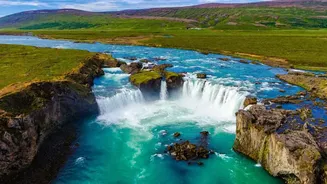
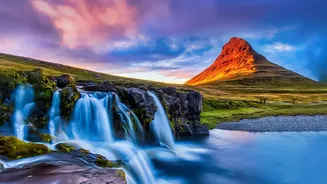
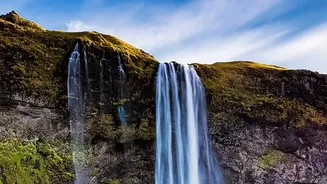
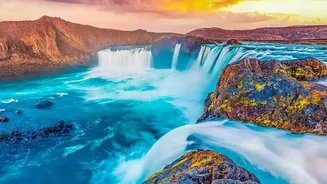
The alternative is to treat each waterfall not as an item to be checked off, but as a chapter in Iceland's epic saga. This is the essence of "slow travel": choosing depth over breadth. Goðafoss, the 'Waterfall of the Gods,' isn't just a pretty cascade; it's where a chieftain reportedly threw idols of the Norse gods after Iceland's conversion to Christianity around 1000 AD. Skógafoss is said to hide the buried treasure of a Viking settler, with a lost golden ring from the chest once displayed at a local church. These stories, rooted in folklore and history, change a place from a mere sight into a destination with a soul. By learning about the geology—how Hraunfossar's water streams directly out of a lava field—you connect with the volcanic forces that shaped the entire island.
Practical Ways to Slow Down
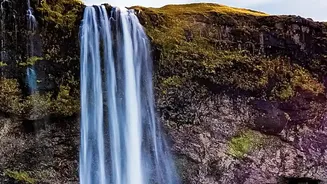
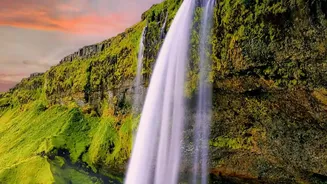
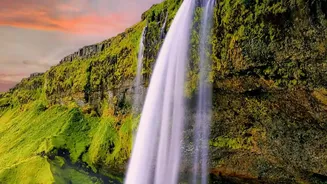
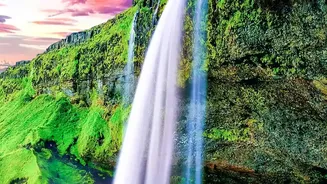
Adopting a slower approach doesn't mean you see less; it means you experience more. At Seljalandsfoss, don't just take the iconic photo; walk the path behind the water and feel the powerful spray on your face. At Skógafoss, climb the long staircase beside the falls. Many visitors don't, but the trail at the top leads along the river to a series of smaller, quieter cascades that you may have all to yourself. At Gullfoss, walk downstream away from the main viewing platforms to find a different perspective on the roaring water. And most importantly, build flexibility into your itinerary. Some of the most memorable waterfalls are the ones you discover by accident—unnamed cascades tumbling down a mountainside that aren't in any guidebook. These are the moments that a rigid checklist can't accommodate.
Embracing the Unplanned Wonder
The most effective way to avoid crowds and find genuine connection is to shift your timing. Visit popular spots like Gullfoss and Geysir before 10 a.m. or after 5 p.m., once the majority of day-trippers have left. In summer, the midnight sun offers the chance to visit major attractions in near-empty solitude. Consider lesser-known but equally stunning falls like Háifoss or Dynjandi, which require more effort to reach but offer a profound sense of isolation and discovery. The goal is to swap the pressure of a packed itinerary for a sense of curiosity. Ask a local for their favorite spot. Take a road that isn't on your plan. Let go of the need to see everything and instead, open yourself to the possibility of truly seeing something.