




A Taste of Home in Orbit
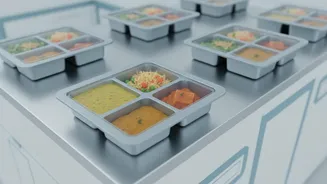
For India's ambitious Gaganyaan mission, which aims to send astronauts into space, creating a menu that feels like home has been a key focus. Scientists at the Defence Food Research Laboratory (DFRL) have been tasked with developing space-friendly versions
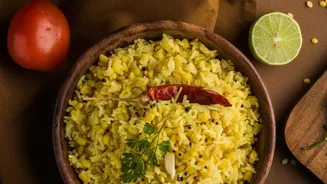
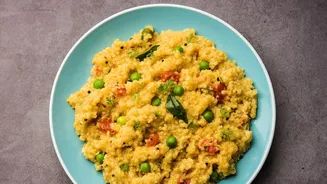
of familiar Indian dishes. The menu reportedly includes items like biryani, aloo paratha, and moong dal halwa. Among these comfort foods is khichdi, a dish synonymous with simplicity and nourishment. However, preparing khichdi for a spacecraft is anything but simple. Every food item, no matter how humble, must undergo rigorous processing and testing to ensure it can be safely stored, prepared, and consumed in the unique and unforgiving environment of a crewed spacecraft.
The Dangers of a Single Crumb
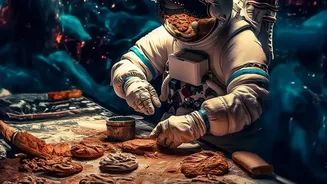
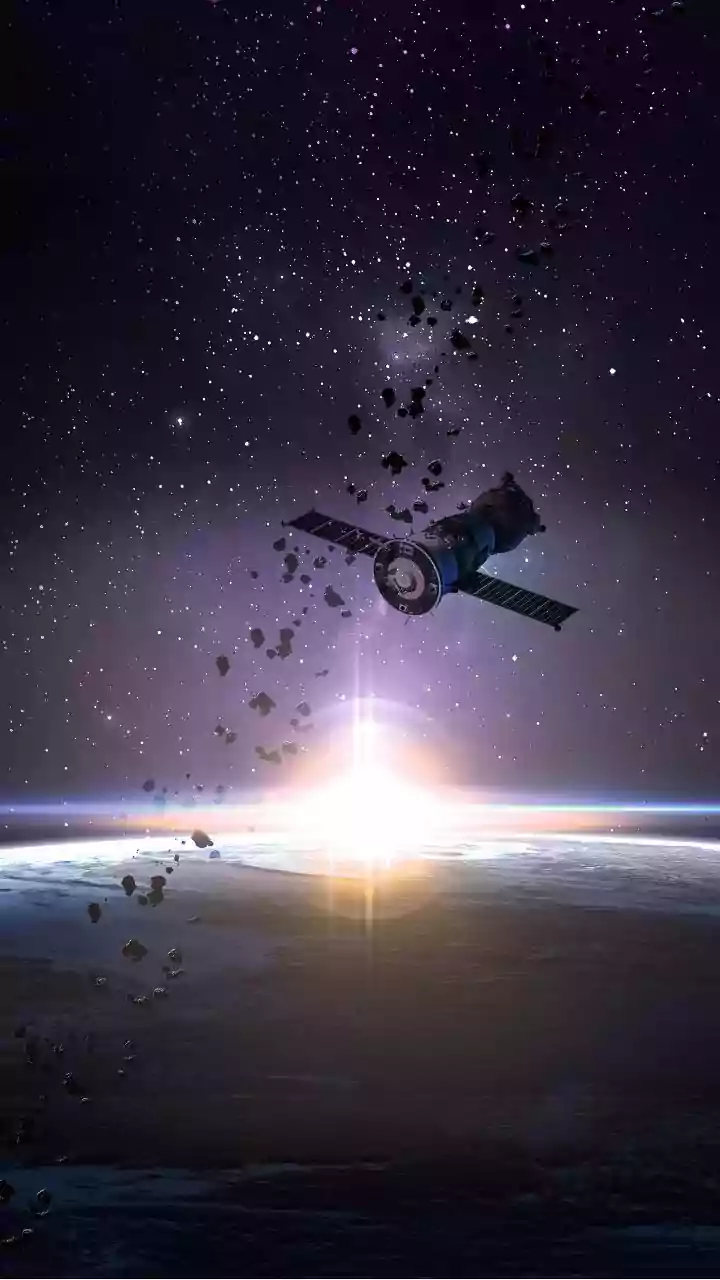
In a zero-gravity environment, the rules of physics as we know them on Earth no longer apply. A stray crumb from a piece of toast or a floating drop of water isn't just a minor nuisance; it's a significant hazard. These tiny particles don't fall to the floor. Instead, they float, posing a risk of being inhaled by an astronaut or, more critically, getting lodged in sensitive electronic equipment, where they can cause short circuits or block ventilation filters. This is why bread is typically banned in space, with astronauts using tortillas instead. Likewise, salt and pepper are provided in liquid form to prevent tiny grains from scattering through the cabin. Every meal must be designed to be as cohesive and crumb-free as possible.
From Kitchen to Clean Room
To mitigate these risks, space food is subjected to a strict preparation process. Many items are freeze-dried to remove water, which makes them lightweight and extends their shelf life. Before consumption, astronauts rehydrate these meals with water. Other foods are thermostabilized—heat-treated to kill any potential pathogens—and sealed in pouches, similar to military MREs (Meals, Ready to Eat). The entire system is rooted in a safety protocol called Hazard Analysis and Critical Control Points (HACCP), a system originally developed by NASA and Pillsbury in the 1960s to prevent foodborne illness during missions. An astronaut getting sick in space could be catastrophic, as medical resources are extremely limited. Therefore, every batch of food is meticulously tested to be free from microbiological contamination.
Everything is a Payload
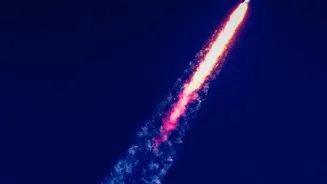
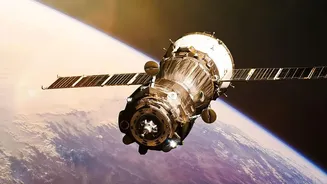
In the language of space travel, everything sent into orbit—from a complex satellite to a packet of dal—is considered a 'payload'. Each payload, regardless of its function, must adhere to stringent safety requirements covering weight, material composition, and its potential to interfere with the spacecraft's systems. Food is no exception. It's analyzed not just for nutrition, but for how its packaging will hold up to the intense vibrations of launch and how its contents will behave in microgravity. This 'payload philosophy' ensures that nothing is left to chance. The same meticulous attention to detail that goes into designing a rocket engine is applied to ensuring a bowl of khichdi is safe to eat hundreds of kilometers above the Earth.