





The Dialogue in the Shadows
Recent diplomatic activity has been tentative and often indirect, a stark contrast to the public threats and military posturing that have defined relations. Much of this communication is happening through intermediaries, with Oman reprising its historical
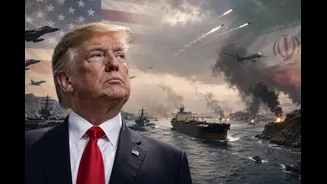
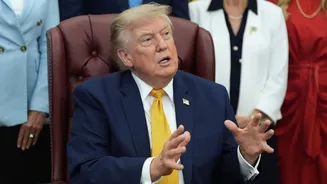
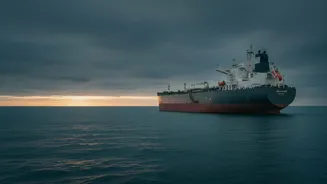
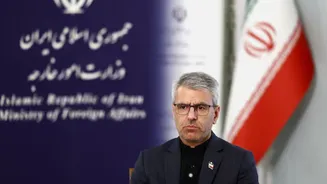
role as a trusted mediator. These discussions have so far focused on de-escalation, particularly concerning the security of vital shipping lanes like the Strait of Hormuz, and potential prisoner exchanges. On August 3, 2026, US President Donald Trump claimed extensive talks were underway, even calling it a "last chance" for a deal. However, Iran's Foreign Ministry publicly denied any direct negotiations with the US, stating their only current discussions were with Oman regarding maritime passage. This public disagreement highlights the fragile and mistrustful nature of the current engagement, where both sides are managing domestic perceptions while cautiously exploring a path forward.
The Unsettled Nuclear Question
At the heart of the standoff is Iran's nuclear program. The 2015 Joint Comprehensive Plan of Action (JCPOA) was designed to limit Iran's nuclear activities in exchange for sanctions relief. Since the US withdrawal from the deal in 2018 and the subsequent reimposition of sanctions, Iran has expanded its nuclear work, reportedly enriching uranium to near weapons-grade levels. For Washington, any new agreement must include stringent, long-term limits on enrichment and intrusive verification measures. For Tehran, the right to a peaceful nuclear program is non-negotiable, and it demands the complete lifting of economic sanctions as a prerequisite for returning to compliance. This fundamental disagreement on sequencing—whether sanctions relief or nuclear rollback comes first—has been a primary stumbling block in all previous attempts to revive diplomacy.
The Crushing Weight of Sanctions
Economic pressure remains Washington's primary tool of leverage. A comprehensive web of US sanctions has targeted Iran's oil exports, its access to the global financial system, and key industries. The stated goal is to deprive the Iranian government of revenues used to fund its military and regional activities. The impact on Iran's economy has been severe, leading to soaring inflation, a currency crisis, and a significant decline in GDP. Studies have shown these sanctions have crippled businesses, eroded the middle class, and limited access to essential goods. For Iran's leadership, securing relief from these sanctions is not just an economic necessity but a matter of political survival. Consequently, they form a non-negotiable demand in any potential grand bargain.
Beyond the Bomb: Regional Power Plays
The diplomatic challenges extend far beyond the nuclear file. The United States and its regional allies, particularly Israel and Saudi Arabia, are deeply concerned by Iran's influence across the Middle East. This influence is projected through a network of allied groups and militias, often referred to as the "Axis of Resistance," which includes Hezbollah in Lebanon, the Houthis in Yemen, and various factions in Syria and Iraq. Washington insists that any comprehensive deal must address Iran's ballistic missile program and its support for these groups, which it views as a primary source of regional instability. Iran, however, considers these alliances as a core part of its national security doctrine and a deterrent against foreign intervention, making them another fiercely guarded point of contention.