



More Than Just Jewellery
For centuries, the mangalsutra has been more than just an ornament; it is a sacred thread signifying a marital bond. The term itself originates from the Sanskrit words 'mangal' (auspicious) and 'sutra' (thread). Its history traces back to ancient rituals
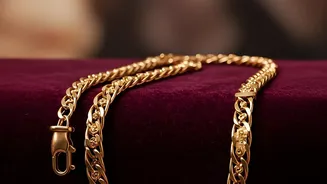
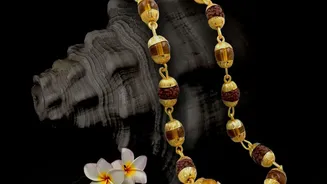
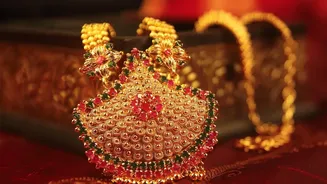
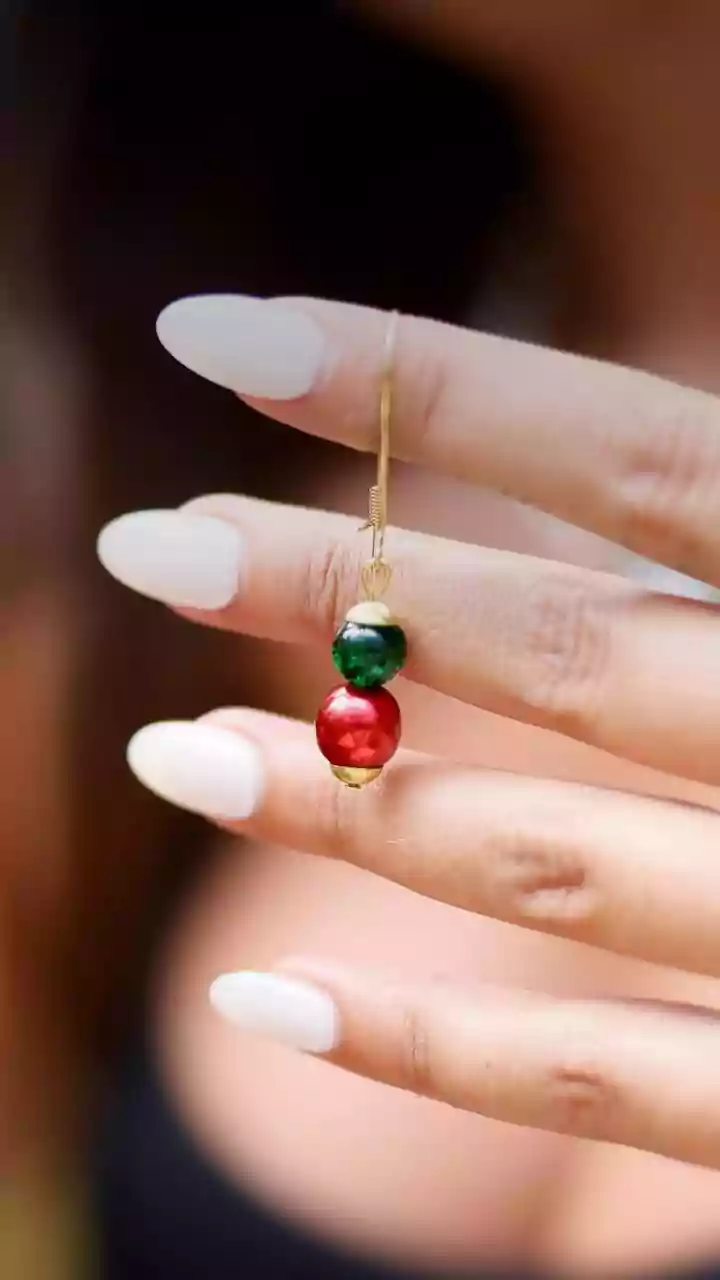
where a simple turmeric-dyed thread was tied around the bride's neck. Over time, this evolved to incorporate gold and the iconic black beads, which are believed to ward off negative energy and protect the couple. While designs have always varied significantly across different regions of India, the core symbolism of love, commitment, and protection has remained constant. The traditional mangalsutra was often long and substantial, designed to be worn with sarees and other ethnic attire, clearly announcing a woman's married status.
A Shift Driven by Modern Life
The move towards minimalism is not a rejection of tradition, but an adaptation to contemporary life. Today's woman often navigates a world of corporate boardrooms, international travel, and diverse social settings. A heavy, traditional mangalsutra can feel impractical for daily wear, especially with Western or professional attire. This has fuelled a demand for lighter, more versatile designs that offer comfort and can be worn effortlessly throughout the day. The modern bride seeks a piece that feels authentic to her personal style while still honouring the emotional significance of the tradition. It's a choice that balances heritage with individuality, allowing women to wear this symbol of commitment with confidence in any setting.
The New Aesthetic: Sleek and Subtle
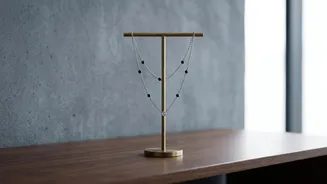
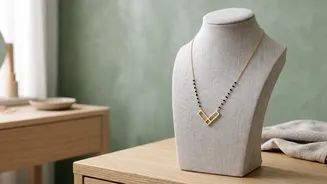
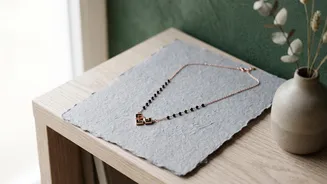
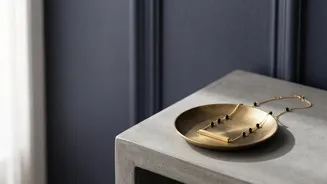
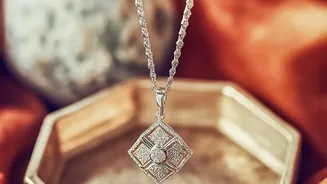
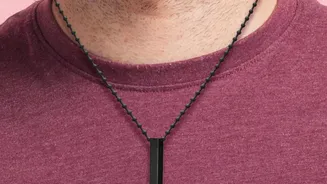
So, what does a modern mangalsutra look like? Think delicate gold or rose gold chains that sit at the collarbone, often with fewer black beads spaced intermittently. The elaborate pendants of the past are being replaced by subtle, meaningful charms. Single solitaire diamonds are a hugely popular choice, offering a touch of timeless elegance. We also see geometric shapes, small bars, and personalised elements like initials or zodiac signs. This shift has been heavily influenced by Bollywood celebrities. Brides-to-be have taken note of the understated and chic styles worn by stars like Alia Bhatt, whose mangalsutra features a delicate teardrop diamond and an infinity symbol. These celebrity-approved designs prove that minimalism can be just as impactful.
From the Jeweller's Bench
Jewellery designers and brands have responded enthusiastically to this evolving demand. Collections from major jewellers now prominently feature contemporary and minimalist styles designed specifically for daily wear. Designers report that modern women are looking for pieces that are not just beautiful but also customisable. This has led to a rise in bespoke services, where brides can co-create a mangalsutra that reflects their personal story, choosing everything from the chain style to the pendant design. The focus is on creating a piece that is both significant and seamlessly integrated into a woman's existing jewellery collection, able to be layered with other necklaces for a personalised look.
Reimagined Forms for Ultimate Practicality
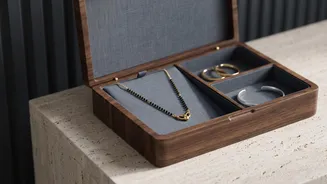
Perhaps the most innovative evolution in this trend is the mangalsutra bracelet. This new form incorporates the traditional black beads and a pendant into a design worn on the wrist. For many professionals, especially those in fields where a necklace might be cumbersome or unsafe, the bracelet is a revolutionary solution. It maintains the symbolic essence of the mangalsutra while offering maximum comfort and wearability. This adaptation shows how the tradition is not just changing in appearance but also in form, proving its flexibility and enduring relevance in the lives of modern women.