






Understanding the Lean: The Science of Phototropism
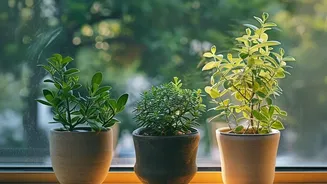
The tendency for your plant to bend towards a window is a survival instinct known as phototropism. This process is driven by plant hormones called auxins. These hormones accumulate on the shadier side of the stem, causing the cells there to grow longer
and faster than the cells on the side receiving direct light. This differential growth results in the stem curving towards the light source, allowing the leaves to maximize their exposure for photosynthesis, the process of converting light into energy. So, when your plant leans, it's not being difficult; it's actively seeking the energy it needs to thrive.
Why Rotation Is More Than Just for Looks
While a symmetrical, upright plant is certainly more aesthetically pleasing, rotating your plants offers benefits that go far beyond looks. Regular rotation ensures that all sides of the plant receive a balanced amount of light. This promotes even, all-around growth, leading to a fuller, denser plant with stronger stems. When one side is constantly in shadow, it can become weak and 'leggy', with sparse foliage as it stretches desperately for light. Furthermore, exposing all parts of the plant to light and air can improve circulation around the leaves, which may help reduce the risk of pests and mould. By turning your plant, you’re not just straightening it; you’re encouraging comprehensive, robust health.
The Quarter-Turn Rule: How to Rotate Correctly
The key to successful plant rotation is to be gradual. A sudden, drastic change in orientation can shock the plant. The most widely recommended method is the quarter-turn rule. Simply give your plant's pot a 90-degree turn in the same direction on a consistent schedule. A great way to remember is to do it every time you water your plant. For fast-growing plants in spring and summer, a quarter-turn once a week might be ideal. Slower-growing plants or those in lower light might only need a turn every few weeks to a month. The goal is consistency. By making small, regular adjustments, you allow the plant to adapt without stress, gently correcting its lean and encouraging it to grow straight and strong.
Common Mistakes and Plants to Be Cautious With
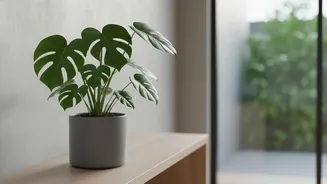
While rotation is beneficial for most plants, it's not a one-size-fits-all solution. One of the biggest mistakes is rotating the plant too drastically, such as a full 180-degree turn. This can stress the plant as it scrambles to reorient all its leaves towards the light, which can sometimes lead to leaf drop. It's also important to know that some plants are more sensitive to being moved. For example, flowering plants like orchids or Christmas cacti, once they have set their buds, should not be rotated, as the change can cause them to drop their buds before they bloom. Similarly, some vining plants like Monstera deliciosa have a distinct 'front' and 'back' and may not benefit from rotation, especially if you are training them to climb. Always observe your plant's response and adjust your care accordingly.
What if a Plant Is Already Heavily Leaning?
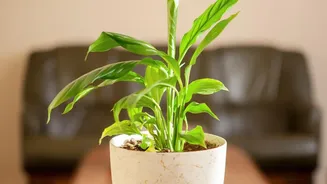
If you have a plant that has developed a significant lean over time, don't despair. You can still correct it, but it requires patience. While a 180-degree turn is an option to force the shaded side to grow, it can be stressful for the plant. A gentler approach is to use the quarter-turn method over several weeks or months. The plant will gradually begin to straighten itself out as the less-developed side starts receiving more light and growing more vigorously. For very tall or top-heavy plants that are leaning severely, you might also need to provide some physical support, like a bamboo cane or a moss pole, to help them stay upright as they correct their growth.