






A Shared Heritage
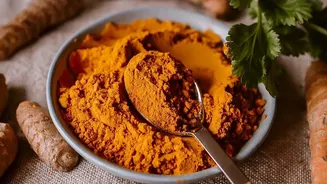
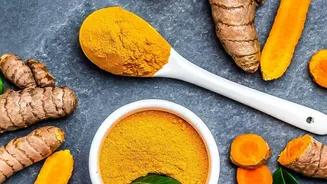
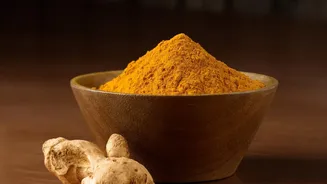
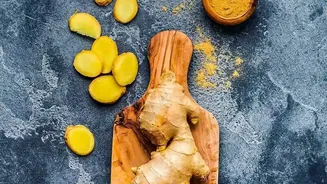
Turmeric and ginger are more than just spice rack neighbours; they are botanical cousins. Both belong to the Zingiberaceae family of flowering plants and are technically rhizomes, or underground stems, not roots. For centuries, traditional medicine systems
like Ayurveda have revered them as 'Maha Aushadhi', or superior medicine. In Ayurveda, both spices are considered warming and stimulating, believed to balance the body's systems and enhance digestive fire, known as 'Agni'. This shared history as both culinary staples and healing agents has intertwined their paths for generations, long before modern science began to validate their combined power.
The Flavor Symphony
On the palate, turmeric and ginger create a beautiful balance. Ginger offers a pungent, spicy, and slightly sweet kick, driven by its active compound, gingerol. Turmeric, on the other hand, is earthy, peppery, and can have a slightly bitter note, thanks to its famous compound, curcumin. When used together, they complement each other perfectly. Ginger's bright, sharp flavour cuts through and lifts turmeric's earthiness, preventing it from tasting too overpowering or medicinal. This combination creates a complex, aromatic foundation that is essential in so many dishes, from a robust dal to a simple vegetable stir-fry. Their pairing is less about shared flavours and more about how their contrasting notes create a more rounded, harmonious taste profile.
A Wellness Powerhouse
The true magic of combining turmeric and ginger lies in their synergistic health benefits. Both spices are celebrated for their potent anti-inflammatory and antioxidant properties. The gingerols in ginger and the curcumin in turmeric are the key bioactive compounds responsible for these effects. When consumed together, studies suggest their anti-inflammatory power is greater than when either spice is used alone. This is what scientists call a 'potentiation effect'—they make each other stronger. This dynamic duo helps the body manage inflammation, protect cells from oxidative stress, and support overall immune function, making them a formidable team for long-term wellness.
Better Together: The Science of Synergy
Why are they more effective as a pair? The science points to enhanced bioavailability and complementary actions. Ginger is known to aid digestion and can improve the absorption of nutrients in the gut. Curcumin, the star component of turmeric, is notoriously difficult for the body to absorb on its own. While often paired with black pepper (which contains piperine) to boost absorption by up to 2000%, ginger's compounds may also play a role by protecting curcumin from breaking down too quickly in the body. This teamwork means curcumin can remain active in your system for longer, allowing you to get more of its benefits. Their combined action provides a more comprehensive approach to reducing inflammation than either could achieve solo.
From Curries to Comforting Teas
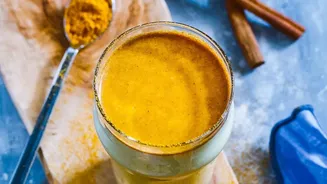
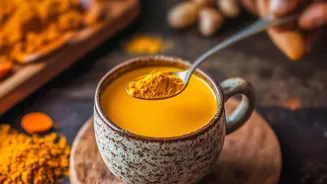
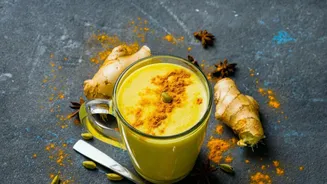
Putting this pair to work in your kitchen is simple. In curries and stews, freshly grated or powdered ginger and turmeric form the flavour base, sautéed with onions and garlic to release their fragrant oils. For soups, they add a layer of warmth and immune-supporting goodness that is especially comforting during colder months. And in warm drinks, the combination truly shines. A classic 'golden milk' involves simmering milk (or a plant-based alternative) with turmeric, ginger, a pinch of black pepper, and perhaps a touch of cinnamon or honey. You can also make a simple, invigorating tea by steeping fresh slices of ginger and turmeric in hot water, adding a squeeze of lemon for extra brightness. Whether in a hearty meal or a soothing drink, this duo delivers both exceptional flavour and function.