








Which Specific Models Are Recalled?
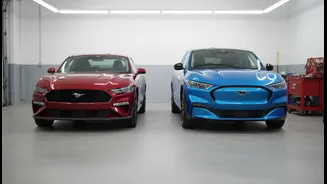
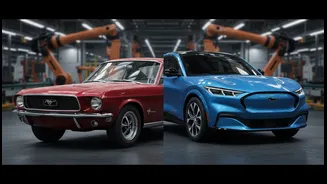
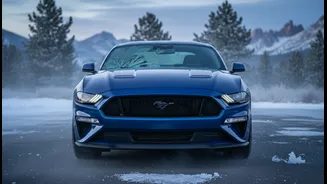
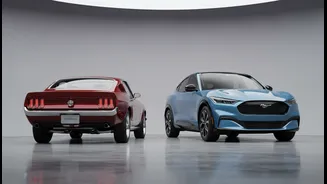
The recall is split into two distinct campaigns. The first and larger recall covers 67,842 gasoline-powered Mustangs. This includes 2024-2026 model year cars built between September 2024 and February 2026, as well as the high-performance 2025-2026 Mustang GTD
models. The second recall specifically targets 42,784 Mustang Mach-E electric SUVs from the 2021 to 2023 model years equipped with rear-wheel drive. It is important for owners to verify if their specific vehicle is part of the recall, as not all Mustangs or Mach-Es from these years are affected.
What Is the First Defect: Mustang Wiper Failure
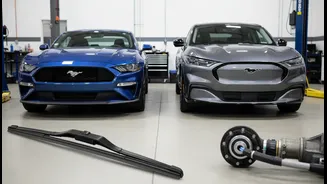
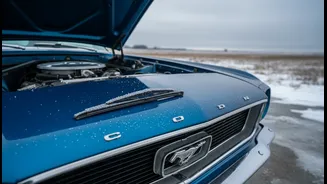
The issue with the traditional Mustang and Mustang GTD models involves the windshield wipers. According to documents filed with the National Highway Traffic Safety Administration (NHTSA), the wiper motor can lose communication with the steering column control module in cold temperatures, specifically at or below 32 degrees Fahrenheit (0 degrees Celsius). When this occurs, the wipers may only operate on their highest speed setting, and the windshield washer system might fail to activate entirely. This poses a significant safety risk by potentially reducing driver visibility in poor weather conditions like snow or sleet.
What Is the Second Defect: Mach-E Drivetrain Risk
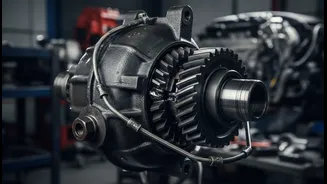
The recall for the Mustang Mach-E involves a more mechanical problem. The rear differential pinion shaft in affected rear-wheel-drive models is at risk of fracturing. This can lead to a sudden and complete loss of drive power, meaning the vehicle will no longer accelerate. Furthermore, if the vehicle is in Park and the parking brake is not engaged, a fractured pinion shaft could allow the SUV to move unintentionally, creating a rollaway risk. Drivers might see a malfunction indicator light on the dashboard as a warning of the defect. Ford is reportedly still investigating the root cause of this particular failure.
How Will Ford Fix the Problems?
For both recalls, the repairs will be performed free of charge at Ford dealerships. For the gasoline-powered Mustangs, dealers will inspect the wiper motor and replace it if it is found to be faulty. For the affected Mustang Mach-E SUVs, dealers will repair or replace the rear differential assembly to prevent the pinion shaft from fracturing. Ford has stated that it is not aware of any accidents or injuries related to either of these defects.
What Should Owners Do Now?
Ford plans to begin mailing notification letters to affected owners in mid-July 2026. For the Mach-E recall, interim letters warning of the risk are expected around July 13, with a second letter to follow once a final repair is ready, which is anticipated in late December 2026. Mustang owners will also receive letters this month, with a follow-up once parts are readily available at dealerships. In the meantime, owners can check if their vehicle is included in either recall by visiting the NHTSA's official recall website and entering their 17-digit Vehicle Identification Number (VIN). Owners can also contact Ford's customer service directly with questions.
Part of a Broader Trend for Ford
These latest recalls add to a challenging year for the automaker regarding quality control. Ford has issued 56 recalls so far in 2026, more than any other manufacturer. These campaigns have affected millions of vehicles across its lineup, including a massive recall of over 740,000 trucks and SUVs just a week prior due to a rollaway risk. While a high number of recalls can indicate proactive safety monitoring, it also raises questions for consumers and the company about underlying quality issues in the manufacturing and design process.