




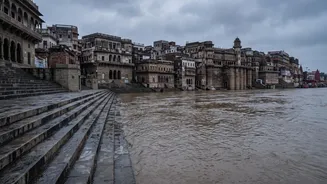
The Rising Tide in a Sacred City
The numbers tell a story of escalating concern. On Thursday, September 3rd, the Central Water Commission reported the Ganga's water level at 70.54 meters, pushing it past the established warning point of 70.262 meters. The river continued to swell at a rate
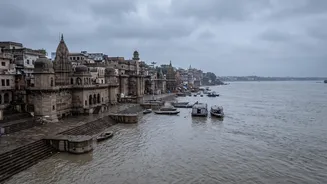
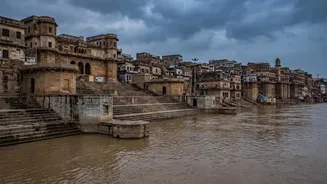
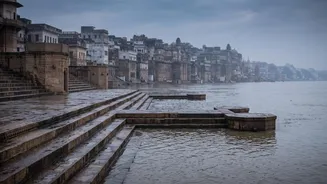
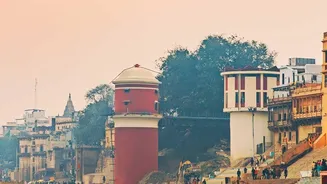
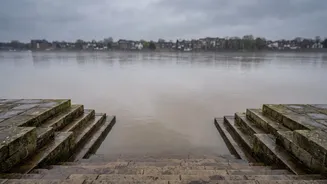
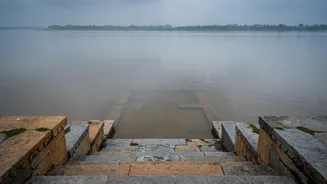
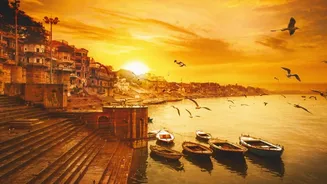
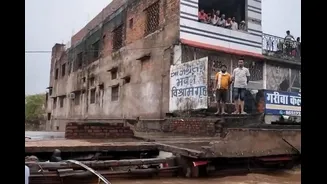
of about two centimeters per hour, creeping closer to the official danger level of 71.262 meters. This steady rise, fueled by forecasts of more heavy rain, has put low-lying communities on high alert. The water has already submerged the stone steps of the city's famous ghats, the long series of riverside staircases central to life in Varanasi, turning familiar landscapes into waterlogged scenes and bringing daily routines to a halt.
When Ancient Rituals Meet Modern Crisis
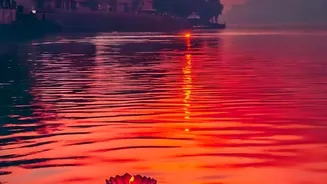
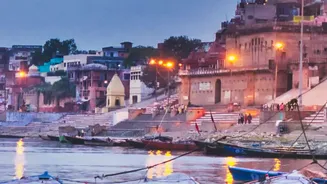
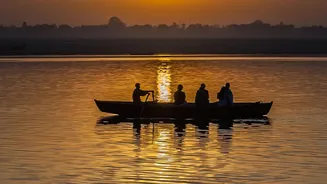
Varanasi is not just any city; for millions of Hindus, it is the spiritual capital of India, a place where life, death, and divinity converge on the banks of the Ganga. The flooding directly impacts these profound traditions. The famed cremation ghats, Manikarnika and Harishchandra, have been partially submerged. This has forced the unthinkable: families are performing last rites on higher ground, in cramped alleyways, and even on rooftops, a stark deviation from centuries of practice. The daily Ganga Aarti, a spectacular fire-lit ceremony that draws thousands of pilgrims and tourists, has also been relocated to higher platforms to escape the encroaching river. The suspension of all boat traffic has not only disrupted transportation but has also paralyzed the livelihoods of thousands of boatmen, vendors, and priests who depend on the riverfront economy.
A City on High Alert
The local administration, under review from Prime Minister Narendra Modi, who represents Varanasi in parliament, has been ordered to mount a relief effort on a "war footing." Authorities are actively monitoring the situation, using boats from the National Disaster Response Force (NDRF) to inspect vulnerable areas along the Ganga and the connecting Varuna river. As many as 61 flood relief camps have been established across the district, ready to provide shelter, food, and medical attention. By early this week, over 900 people from more than 200 families had already moved into these shelters. Police have been deployed to prevent people from approaching the dangerous currents at the ghats, and a 24-hour control room is coordinating efforts between multiple city departments.
A Glimpse into a Troubled Future
While flooding during the monsoon season is not new to Varanasi, the intensity and frequency of these events are a growing concern. This week's crisis is a powerful illustration of how climate change is increasingly threatening cultural heritage sites worldwide. The combination of more extreme rainfall patterns and urban development pressures creates a recurring dilemma for ancient cities built along powerful rivers. For Varanasi, each flood is more than a natural disaster; it's an existential challenge. It tests the city's infrastructure, strains its unique cultural fabric, and raises difficult questions about how to preserve a priceless heritage in an era of environmental uncertainty. The scenes of submerged temples and displaced rituals are a potent symbol of a global challenge, playing out in one of humanity's most sacred spaces.