


The Tale of Two Grains
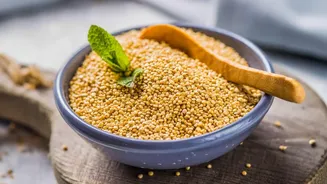
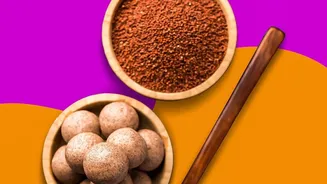
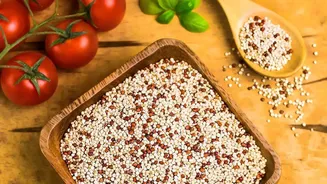
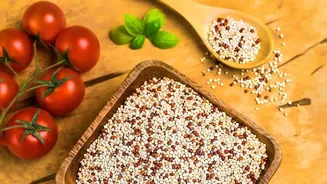
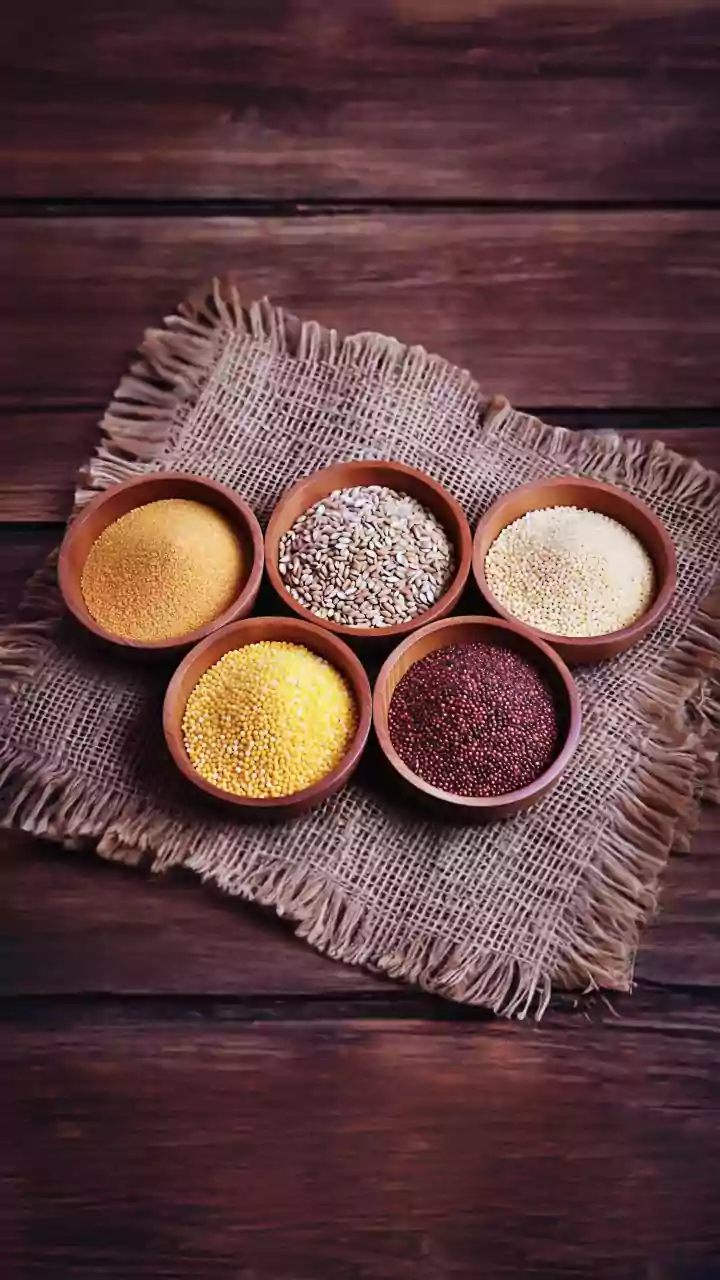
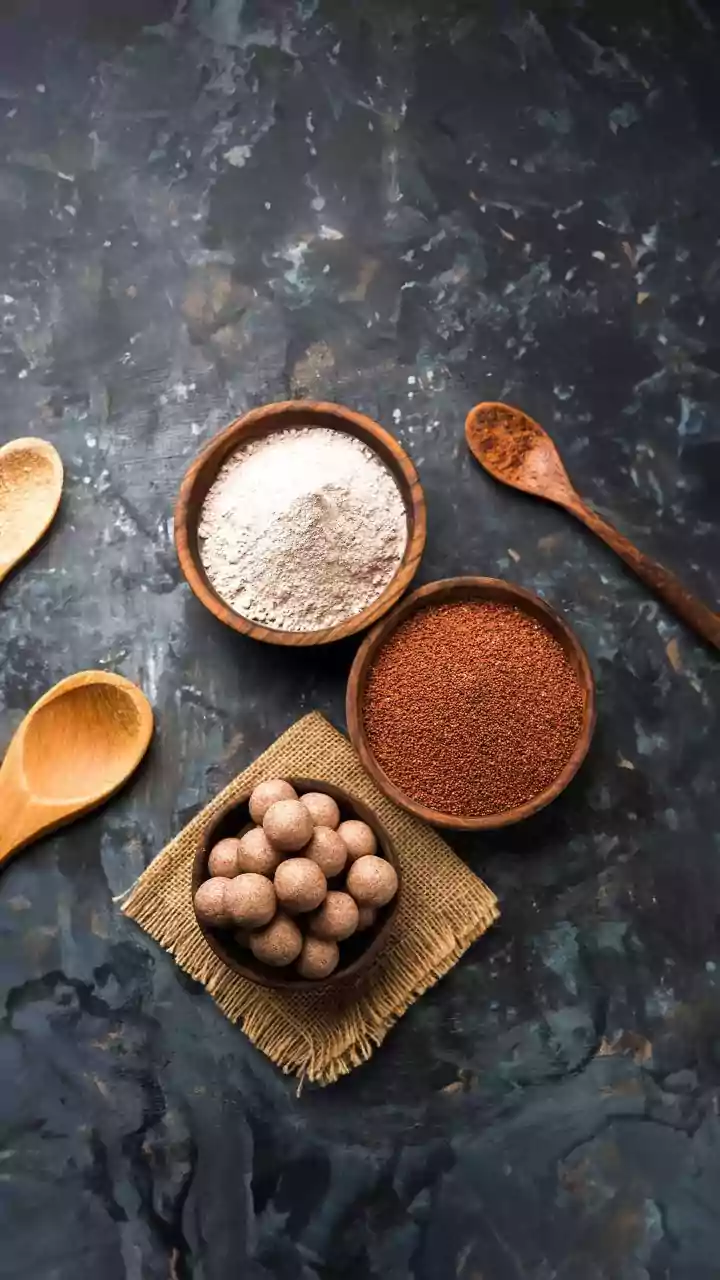
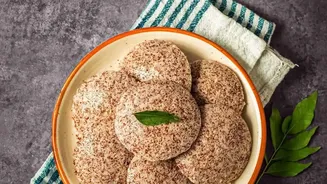
Ragi, also known as finger millet, is an ancient grain that has been a staple in southern India and parts of Africa for centuries. It's a hardy crop, celebrated for its rich nutritional profile and its ability to thrive in tough climates. Quinoa, on the other
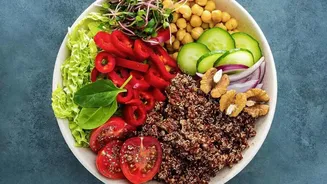
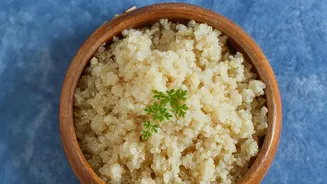
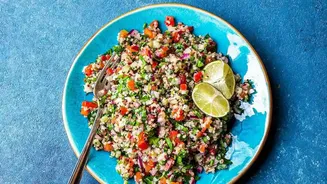
hand, hails from the Andes mountains of South America. Technically a seed but consumed as a grain, it shot to global fame for being one of the few plant-based foods that is a complete protein. Both have found a place in the modern Indian kitchen, but they offer very different benefits.
The Protein Perspective
When it comes to protein, quinoa has a clear edge. It contains about 14 grams of protein per 100g serving, nearly double the amount found in ragi, which offers around 7-8 grams. More importantly, quinoa is considered a 'complete protein' because it provides all nine essential amino acids that our bodies cannot produce on their own. Ragi, while still a good source of protein, is not complete. For those focused on muscle building or seeking high-quality plant-based protein, quinoa is the stronger contender.
The Calcium Crown
While quinoa wins on protein, ragi is the undisputed king of calcium. A 100g serving of ragi provides approximately 344mg of calcium, which is crucial for bone and teeth health. In comparison, quinoa offers a much smaller amount, typically around 47mg to 198mg depending on the source. For growing children, women, and older adults concerned about osteoporosis, ragi is an exceptional dietary source of this vital mineral, outperforming most other cereals by a huge margin.
Fibre, Fullness, and Weight Management
Both grains are excellent sources of dietary fibre, which is essential for digestive health, feeling full, and managing weight. Ragi generally has a slight advantage in fibre content, which helps slow down digestion and keeps you feeling satisfied for longer, potentially reducing overall calorie intake. Quinoa is also high in fibre and protein, a combination known to support weight management. Because both promote satiety, they are great choices for anyone on a weight loss journey.
Blood Sugar and Glycemic Index
For individuals managing diabetes or watching their blood sugar, the glycemic index (GI) is a key factor. Both ragi and quinoa have a low-to-moderate GI, meaning they release sugar into the bloodstream slowly, preventing sharp spikes. Quinoa's GI is consistently reported to be around 53. Ragi's GI can range from 54 to 68 depending on its form (whole grain vs. flour) and preparation. The high fibre content in both grains contributes to this beneficial effect, making them suitable for a diabetic-friendly diet when consumed in moderation.
Micronutrient Match-Up
Beyond the major nutrients, both grains are rich in essential minerals. Quinoa is a great source of magnesium, iron, folate, and manganese. Its folate content is particularly noteworthy. Ragi, in addition to its massive calcium content, is also a good source of iron, helping to combat anemia. Ultimately, both are nutrient-dense, and incorporating a variety of grains is the best way to ensure a wide range of micronutrients.
The Final Verdict: Which Is Best for You?
There is no single winner in the ragi versus quinoa debate. The 'better' grain depends entirely on your personal health goals and priorities. Choose Ragi if your focus is on bone health (thanks to its high calcium), increasing fibre intake, and you prefer a budget-friendly, locally sourced grain. It's an excellent, traditional choice deeply integrated into Indian cuisine. Choose Quinoa if you are prioritizing protein intake, especially for muscle repair or a vegetarian/vegan diet, and need a complete amino acid profile. It's also a great source of various minerals like folate and magnesium.