




Vada Pav: The Heartbeat of Mumbai
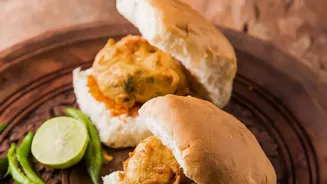
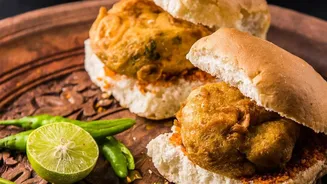
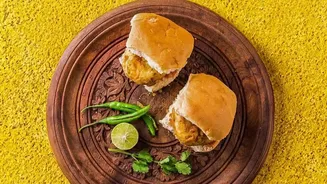
Often called the ‘Indian burger’, Vada Pav is the undisputed king of Mumbai's street food. It was born out of necessity in the 1960s, created by vendors like Ashok Vaidya outside Dadar station to offer a cheap, quick, and filling meal for the city's mill
workers. Its genius lies in its simplicity: a spiced mashed potato fritter (batata vada), coated in gram flour batter and deep-fried, is tucked inside a soft bread roll called a pav. But the magic is in the assembly. The pav is sliced open and generously smeared with chutneys. There is often a fiery dry garlic and coconut chutney, and a vibrant green chutney made of coriander and chillies. It is served unceremoniously, often wrapped in newspaper, with a fried green chilli on the side for those who dare. It’s a handheld meal designed for a city on the move, a symbol of Mumbai's fast-paced, resilient spirit.
Misal: A Fiery Maharashtrian Medley
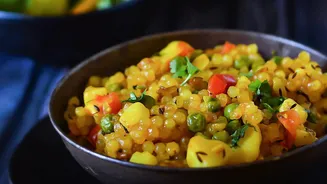
While the headline mentions 'Misal Vada', the star of this Maharashtrian staple is Misal Pav. Misal itself is not a vada, but a complex and fiery curry made from sprouted moth beans (matki). The name 'misal' means 'mixture', which perfectly describes the dish. It has two main parts: the 'usal' (the thick sprout curry) and the 'kat' or 'rassa', a watery, spicy gravy that is often served separately for diners to add to their liking. The serving tradition is a delicious act of construction. A bowl of the sprout curry is topped with a generous layer of crunchy 'farsan' (a savoury mix of fried snacks), finely chopped raw onions, and fresh coriander. A squeeze of lemon cuts through the richness, and soft, buttery pav is served alongside to mop up every last drop of the flavourful gravy. Regional variations abound: Puneri misal is often sweeter and tangier and may include poha (flattened rice), while Kolhapuri misal is famously spicier.
Medu Vada: The Pride of the South
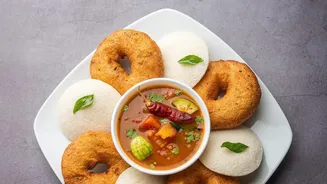
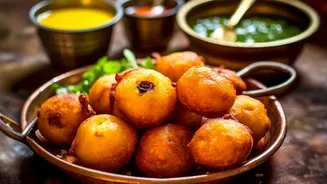
Journey south, and you will find the Medu Vada, a savoury doughnut-shaped fritter that is a cornerstone of South Indian cuisine. Its name comes from the Kannada word 'medu', meaning soft, which perfectly describes its delightful texture: crispy on the outside, and incredibly light and fluffy on the inside. Made from a batter of soaked and ground urad dal (black lentils), it is often flavoured with ginger, curry leaves, and green chillies. Unlike the on-the-go Vada Pav, the serving tradition for Medu Vada is a more seated affair. It is most famously served as part of a breakfast platter or as a snack, almost always accompanied by two essential dips. The vada arrives hot from the fryer, alongside a bowl of steaming sambar (a tangy lentil and vegetable stew) and a fresh coconut chutney. The ritual involves tearing off a piece of the vada and dipping it, allowing its spongy interior to soak up the sambar and chutney, creating a perfect bite every single time.
A Deliciously Diverse Trio
Though they may seem similar at a glance, these three dishes offer vastly different experiences rooted in their local traditions. The Vada Pav is a self-contained sandwich, a quick, dry meal meant to be eaten while standing. It's about convenience and robust, immediate flavour. Misal Pav is an interactive, sit-down affair; a bowl of complex textures and spice levels that you assemble yourself, eaten with bread and a spoon. It's a dish meant for lingering and savouring. Medu Vada, meanwhile, is a quintessential dippable snack. Its own flavour is relatively mild, making it the perfect vessel for its accompaniments, sambar and chutney. It represents a more traditional platter-style of eating. Together, they paint a vivid picture of India's culinary diversity, where the way a dish is served is just as important as the dish itself.