


What Exactly is Flex-Fuel?
At its core, a flex-fuel vehicle (FFV) is a car or bike with an internal combustion engine designed to run on more than one type of fuel, all from a single tank. In India's context, this means vehicles capable of running on standard petrol or a blend
of petrol and ethanol. These blends can range from E20 (20% ethanol, 80% petrol) to higher concentrations like E85 (85% ethanol) or even E100 (pure ethanol). The vehicle's engine control unit automatically detects the fuel blend and adjusts combustion accordingly, making it seamless for the driver.
The Government's Grand Vision
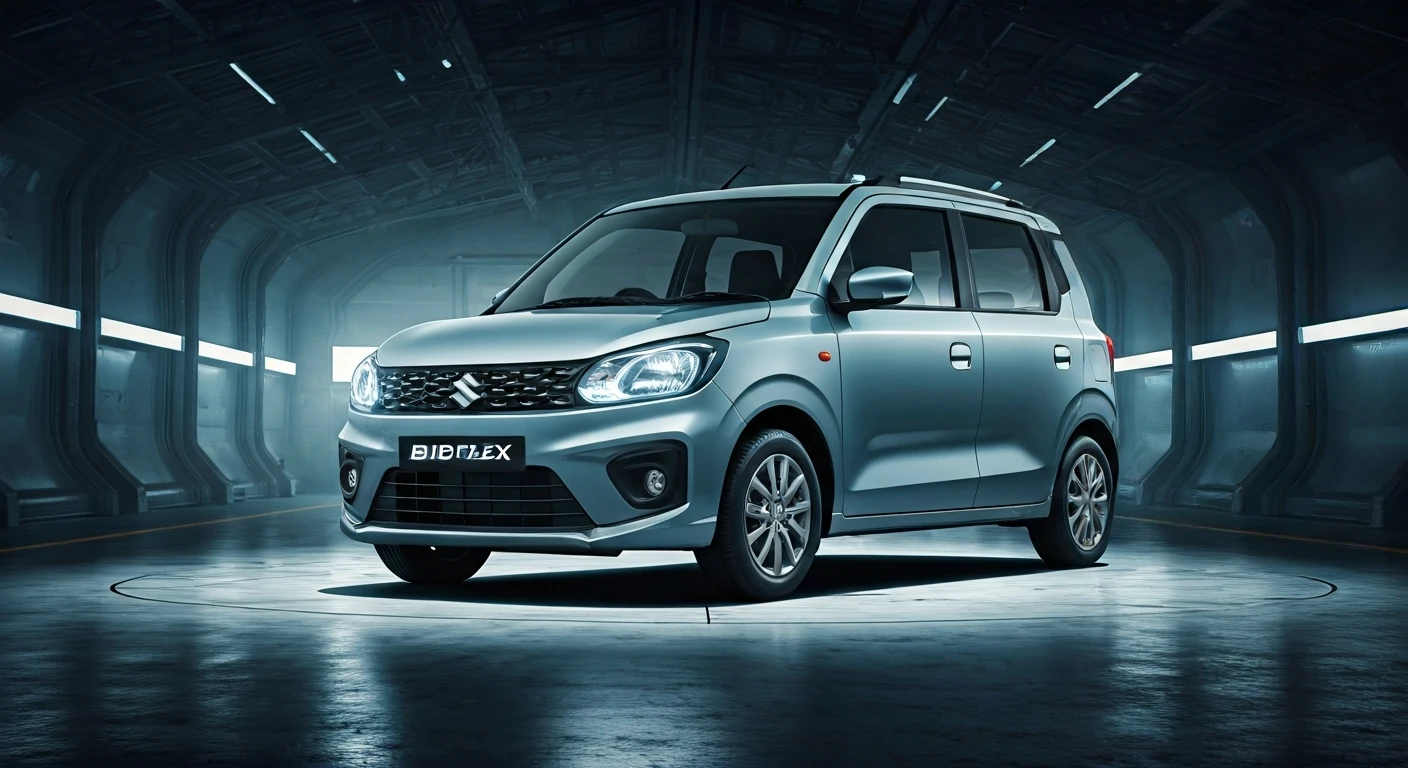
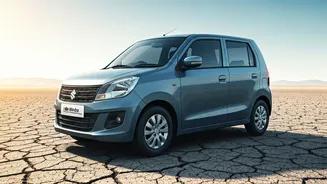
The push for flex-fuels is a cornerstone of India's long-term energy strategy. With the country importing over 85% of its crude oil, this dependency makes the economy vulnerable to global price shocks and geopolitical instability. By promoting domestically produced ethanol from sources like sugarcane and maize, the government aims to achieve several key objectives at once: reduce the massive oil import bill, lower carbon emissions, and create a stable income stream for farmers and the rural economy. The government has moved aggressively, advancing its target for 20% ethanol blending (E20) nationwide, which was achieved in 2025-26. In June 2026, Maruti Suzuki launched the country's first E100-capable car, the Wagon R Flex Fuel, signalling a strong policy push.
The Reality: A Cautious Rollout
Despite the policy momentum, the reality on the ground is one of cautious progress and sluggish consumer uptake. While automakers like Maruti, Toyota, and Tata Motors have showcased their technological readiness, the number of actual flex-fuel models available for purchase remains limited. The primary issue is a classic chicken-and-egg problem: car manufacturers are hesitant to launch a wide range of FFVs without a robust and widespread fuel supply network, while fuel companies are slow to invest in infrastructure for higher blends like E85 without enough vehicles on the road to use it. As of mid-2026, E85 fuel is officially available in very few locations, such as select outlets in Delhi and Mumbai, with a plan to expand to 500 stations by the end of the year. This limited availability is a major barrier to adoption.
Hurdles on the Highway to Adoption
Several significant hurdles are responsible for this slow start. First is the cost. Flex-fuel vehicles are more expensive than their petrol-only counterparts, with premiums ranging from ₹5,000 for E20-compatible cars to as much as ₹86,000 for E85-capable models like the WagonR Flex Fuel. This higher upfront cost can deter price-sensitive Indian buyers. Second, there's the issue of fuel efficiency. Ethanol has a lower energy density than petrol, which means vehicles running on higher ethanol blends consume more fuel to travel the same distance. Tests have shown fuel efficiency can drop by as much as 30-43% when running on E85 compared to E20, which can negate the savings from the cheaper fuel price unless the price difference is substantial. For E85 to be truly economical, its price would need to be significantly lower than the current discount to petrol.
The Road Ahead
The government's recent remarks in the Supreme Court, terming the E20 program an "experiment" whose impact will be clearer by next year, add another layer of uncertainty. Experts suggest a more measured, regional approach may be more practical, focusing the rollout of higher blends like E85 in ethanol-surplus states like Maharashtra, Uttar Pradesh, and Karnataka first. This would allow supply chains and consumer demand to build gradually. Automakers, while technically prepared, are waiting for clearer long-term policy and a stronger business case driven by consumer confidence. For now, the transition to flex-fuels appears to be less of a sprint and more of a long-distance run, requiring coordinated efforts from the government, automakers, fuel suppliers, and consumers.