




What is FSSAI's New Proposal?
The Food Safety and Standards Authority of India (FSSAI) has introduced a draft amendment to its regulations that would prohibit products not made from milk from using the term 'paneer'. This proposal, called the Food Safety and Standards (Prohibition
and Restrictions on Sales) Amendment Regulations, 2026, specifically targets what are known as 'analogue' products. If this draft becomes final, any product currently licensed or sold as a dairy analogue—meaning it mimics a dairy product—will have to remove the word 'paneer' from its name, packaging, and marketing materials. The regulator has invited suggestions and objections from the public and stakeholders for a 60-day period before finalizing the rule.
The Problem with 'Analogue Paneer'
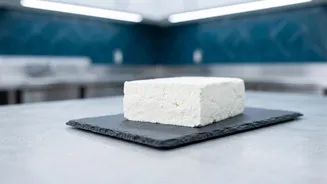
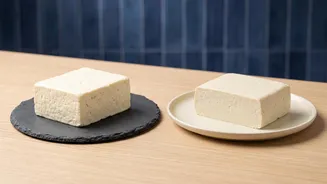
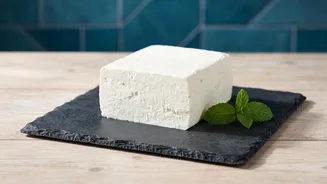
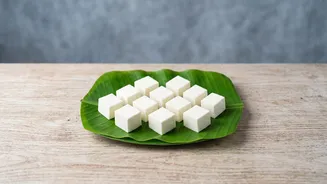
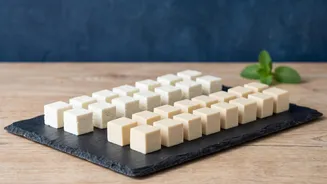
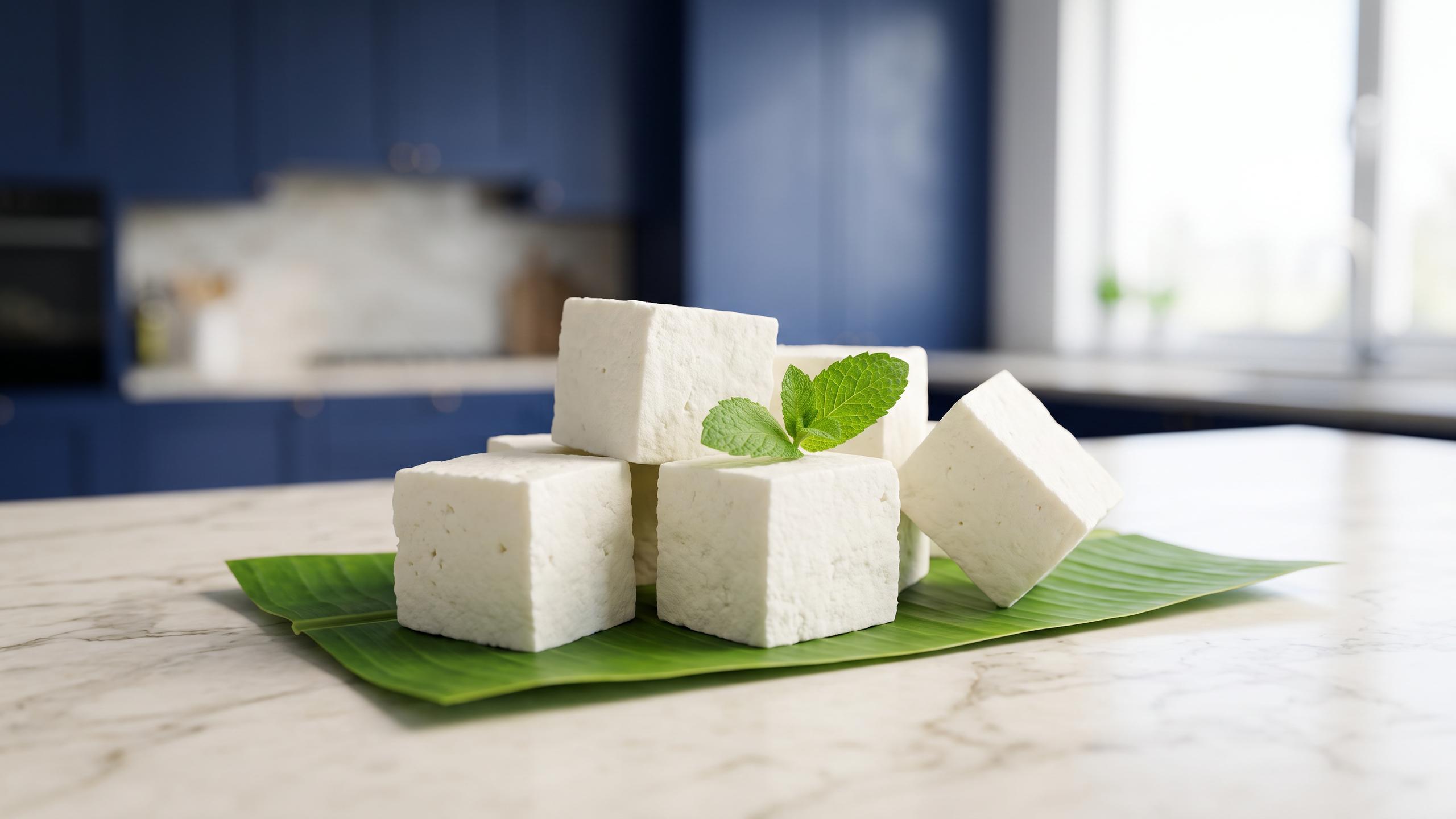
So, what exactly is this 'analogue paneer' that has prompted regulatory action? Unlike traditional paneer, which is a fresh cheese made by curdling milk, these lookalikes are typically made by substituting milk fat and milk protein with cheaper ingredients. Common substitutes include vegetable oils (like palm oil), starches, vegetable proteins, and various emulsifiers and additives. The final product is designed to resemble real paneer in appearance, texture, and function, but it is not a dairy product. The core issue is that these products are often sold deceptively, leading consumers to believe they are buying authentic, milk-based paneer when they are not.
Why is This Happening Now?
This national move by FSSAI follows a series of actions at the state level. Several states, including Maharashtra, Karnataka, Gujarat, and Chhattisgarh, have already taken steps to prohibit or restrict the sale of analogue paneer. The crackdown is also fueled by growing consumer complaints and widespread findings of adulteration. In some regions, a shocking percentage of paneer samples tested failed to meet quality standards, with many deemed unsafe for consumption. The economic incentive for this mislabeling is powerful; analogue paneer can be 30-40% cheaper to produce, creating a lucrative market for imitation products, especially in restaurants and catering where substitution is hard for consumers to detect.
Health and Nutritional Concerns
For millions of Indians, especially vegetarians, paneer is a primary source of protein. When consumers unknowingly buy an analogue product, they are not getting the nutritional value they expect. Real paneer is rich in protein and calcium. Analogue versions, bulked up with starch and vegetable fats, have significantly lower protein content and offer a different nutritional profile. Beyond nutritional deception, there are safety risks. Some forms of adulteration have involved harmful substances like detergents and formalin, a known carcinogen, posing serious health threats such as digestive disorders and organ damage. The FSSAI's regulation aims to ensure that when consumers buy paneer, they are getting the authentic, nutritious product they paid for.
What This Means for You
The proposed regulation is a major step toward consumer empowerment and transparency. It will force manufacturers to label their products honestly, allowing you to make informed choices. Currently, it can be difficult to distinguish real paneer from its analogue counterpart, especially in prepared dishes. An unusually low price can be a red flag; genuine paneer production is costly, requiring about five litres of milk for one kilogram, so deep discounts may indicate a non-dairy substitute. Once the new rule is in effect, any product not made from milk will have to be sold under a different name, removing the confusion and ensuring the integrity of one of India's most beloved food staples.