




The Source: A Very Special Tree
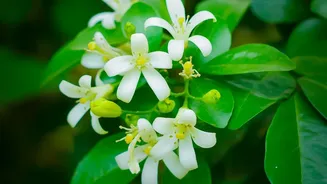
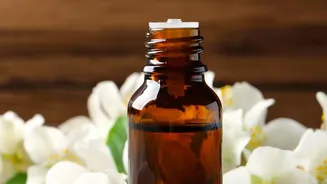
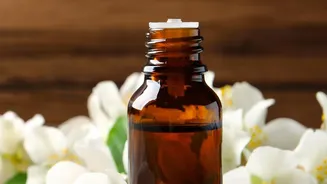
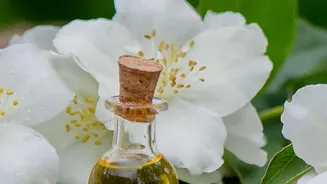
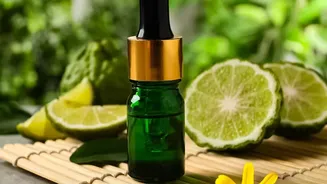
Neroli oil is derived from the flowers of the bitter orange tree, known botanically as Citrus aurantium var. amara. Originally native to Southeast Asia, this tree has been cultivated for centuries across the Mediterranean, particularly in Tunisia, Morocco,
and Egypt, which are now the leading producers. This tree is a perfumer's treasure, as nearly every part of it is used. The rind of its fruit provides bitter orange oil, while the leaves and twigs are distilled to create petitgrain oil. But its most precious gift comes from its small, intensely fragrant white flowers, which must be harvested by hand in late April or early May to produce neroli oil.
The Art of Delicate Extraction
The reason for neroli's high price tag begins with its extraction process. The blossoms are incredibly delicate and must be handled with care to prevent bruising, which would spoil the final scent. To capture its unique fragrance, the freshly picked flowers are quickly subjected to steam distillation. During this process, steam is passed through the blossoms, causing their aromatic compounds to vaporize. This vapor is then cooled, condensing into a liquid from which the essential oil is separated. The yield is astonishingly low: it takes approximately 1,000 kilograms of hand-picked blossoms to produce just one kilogram of neroli oil. This labour-intensive process and tiny return make it one of the most expensive essential oils on the market.
A Uniquely Complex Aroma
So, what does neroli actually smell like? It's often mistaken for a simple orange scent, but it is far more complex. The aroma is a sophisticated blend of floral and citrus notes, with sweet, honeyed undertones and a balancing green, spicy facet. It has been described as smelling like 'sunlight through leaves' for its bright, clean, and slightly soapy character. This unique profile distinguishes it from orange blossom absolute, which is extracted from the same flowers but using solvents. That method produces a headier, sweeter, and warmer floral scent, while the steam-distilled neroli remains lighter, greener, and fresher.
A Scent with Royal History
Neroli's legacy is intertwined with European aristocracy. Its name comes from Anne Marie Orsini, the 17th-century Duchess of Bracciano and Princess of Nerola, a town near Rome. She fell in love with the scent of the bitter orange blossom and was the first to have its essence distilled. She famously used the oil to perfume her gloves, clothes, and bathwater, popularising it among Italian high society. The fragrance became so associated with her that it was named 'neroli' in her honour, cementing its status as a symbol of luxury and refinement that has endured for centuries. It later became a cornerstone of the original Eau de Cologne.
More Than Just a Perfume
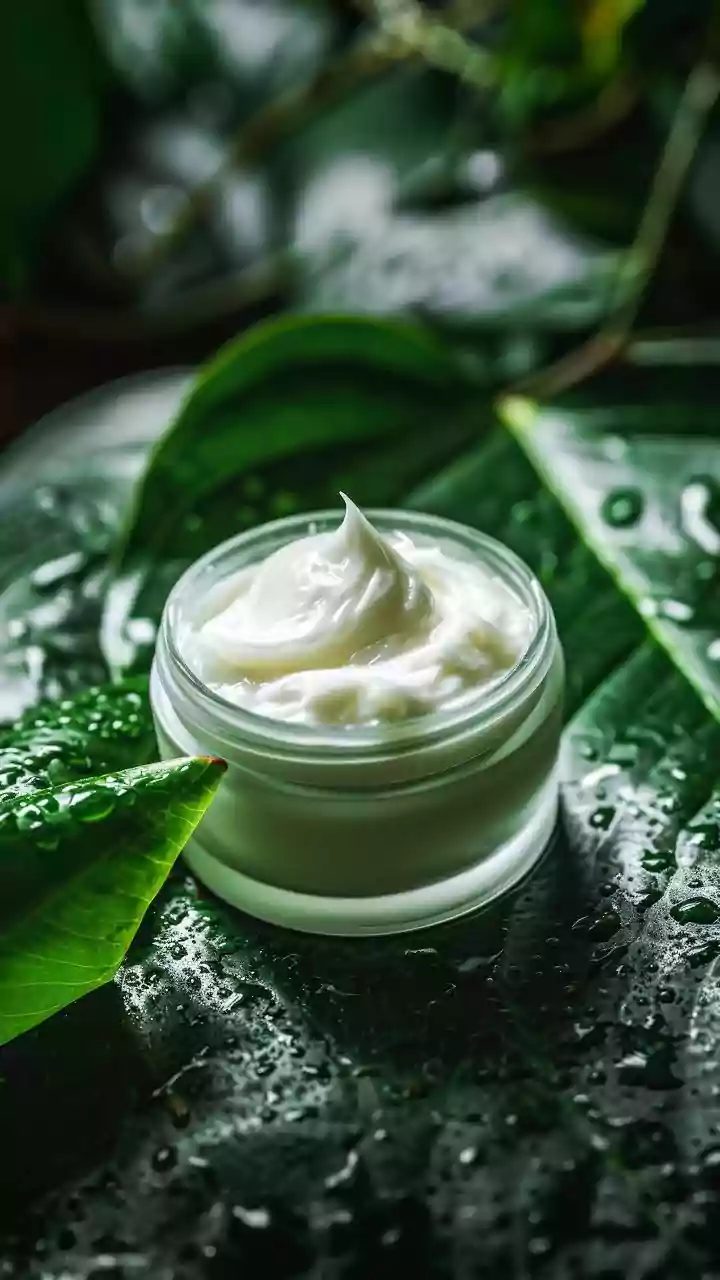
Beyond its use in fine perfumery, neroli oil is highly valued in aromatherapy and skincare. Inhaling its scent is believed to have a calming effect on the nervous system, potentially helping to reduce stress and anxiety by lowering cortisol levels. This is why it is often used to promote relaxation and a sense of well-being. In skincare, neroli is prized for its reported anti-inflammatory, antibacterial, and regenerative properties. It's often used in products aimed at balancing the skin, improving elasticity, and reducing the appearance of scars and fine lines, making it a truly multi-purpose botanical wonder.