





A Sudden Jolt Over India
On August 4, 2026, passengers on Air India flight AI2379 from Phuket to Delhi were violently reminded of the unpredictable nature of air travel. While cruising, the Airbus A320 hit a pocket of severe turbulence, causing a sudden altitude drop of around
300 feet. The event was terrifyingly brief but had significant consequences. For those not secured by a seatbelt, the results were immediate and frightening. Passengers and crew members were thrown from their seats, with some hitting the cabin ceiling before falling back down. In the end, at least 17 people, including passengers and crew, required medical evaluation for injuries ranging from bruises and head injuries to more serious issues requiring hospitalization. Passenger accounts described the chaos, with one person telling reporters, "We thought we would die."
The Invisible Danger of Clear-Air Turbulence
The Air India incident appears to be a case of Clear-Air Turbulence, or CAT, which is particularly dangerous because it is invisible. Unlike the turbulence associated with stormy weather, which pilots can often detect on radar and avoid, CAT occurs in cloudless, clear skies. It is caused by clashes between air masses moving at different speeds or directions, often near the jet stream. For pilots and passengers, there is often no warning. The plane simply begins to shake, sometimes violently, as it passes through the disturbed patch of air. Because it is undetectable by current onboard systems, it can catch everyone—especially unbuckled passengers and crew—completely by surprise.
Is It Getting Worse?
Frequent flyers aren't just imagining it; research suggests turbulence is becoming more common and more intense. Scientists have found compelling evidence linking this trend to climate change. A 2023 study from the University of Reading found that the annual duration of severe clear-air turbulence over the busy North Atlantic route increased by 55% between 1979 and 2020. The theory is that warmer air temperatures are increasing wind shear—the difference in wind speed or direction over a short distance—in the jet streams where planes cruise. This increased instability makes the atmosphere more prone to generating the kind of invisible turbulence that jolted the Air India flight.
Your Single Best Defense
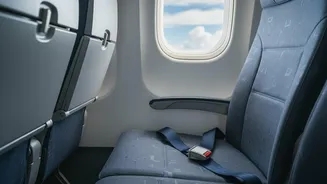
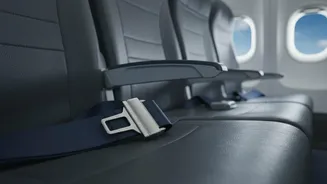
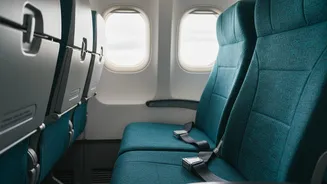
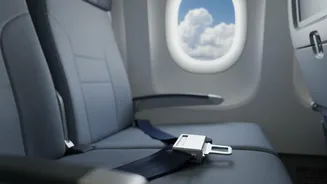
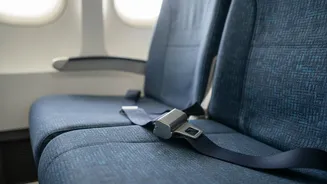
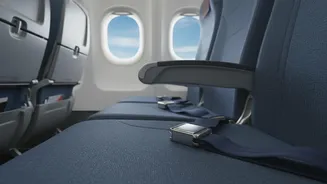
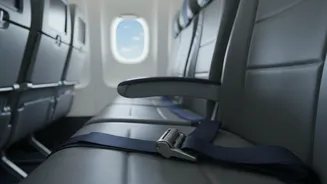
While aircraft are built to withstand even the most severe turbulence, the human body is not. The vast majority of serious injuries from turbulence incidents happen to people who are not in their seats and buckled up. The forces in a sudden drop can be powerful enough to launch a person into the air with considerable force. A simple lap belt is incredibly effective at preventing this. It anchors you to your seat, which is firmly anchored to the aircraft. Flight attendants consistently advise passengers to keep their seatbelts fastened whenever they are seated, even if the seatbelt sign is off. This is not just a suggestion; it's the single most effective piece of advice for avoiding injury during an unexpected turbulence event. Think of it as a car seatbelt, but designed to protect you from vertical, rather than horizontal, impacts.