








The Allure of the Quick Fix
Walk into any health-conscious cafe or supermarket, and you'll see them: tiny, vibrant bottles promising to 'detoxify', 'boost', and 'cleanse'. These wellness shots are masters of marketing, offering a convenient, Instagram-friendly solution to our health goals.
In a busy world, the idea of getting a concentrated dose of nutrients in a single gulp is undeniably appealing. Many are drawn to these products, like those containing beetroot, for their purported ability to improve everything from energy levels to athletic performance. The promise is simple: all the benefits, none of the work of peeling, chopping, or cooking. But this convenience often comes at a cost, both to your wallet and your nutritional intake.
The Humble Powerhouse: Whole Beetroot
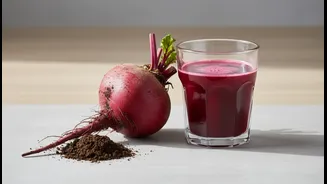
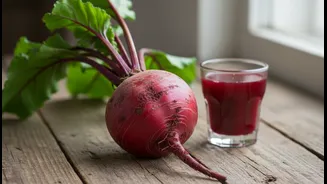
Before it was a trendy shot, beetroot was simply a versatile, earthy vegetable. Eaten whole, it’s a nutritional champion. Beetroots are packed with essential nutrients, including folate, potassium, and vitamin C. Their real claim to fame, however, lies in two key components: dietary nitrates and fibre. Your body converts these naturally occurring nitrates into nitric oxide, a molecule that helps relax and widen blood vessels, which can improve blood flow and support healthy blood pressure. In fact, studies have shown that consuming beetroot, both whole and as juice, can boost stamina and exercise performance. But it's the complete package of the whole vegetable that offers the most holistic benefits for long-term health.
Fibre: The Forgotten Hero
Here is the single biggest difference between eating a beetroot and drinking a shot: fibre. The juicing process strips away virtually all of the natural fibre from fruits and vegetables. This is a significant loss. A cup of chopped beets contains a healthy dose of fibre, while a cup of beet juice has practically none. This fibre is crucial for several reasons. It slows down the absorption of sugar into your bloodstream, preventing the sharp spikes that can come from drinking juice. It also promotes a feeling of fullness, which aids in weight management. Furthermore, fibre is essential for good gut health, feeding the beneficial bacteria in your digestive system and ensuring regularity. By choosing the whole food, you are nourishing your body in a more complete and balanced way.
Deconstructing the 'Detox' Shot
So, what are you actually getting in a typical beetroot or wellness shot? While it provides a concentrated source of nitrates, it’s often a less ideal package. As mentioned, the fibre is gone. What's often left is a surprising amount of sugar. Even without added sweeteners, the natural sugars from several beets are concentrated into a small liquid volume, hitting your system all at once. Many commercial shots also contain added sugars, preservatives, or other fillers to improve taste and shelf life. Then there's the term 'detox' itself. Medical experts widely agree that your body has a highly efficient, built-in detoxification system: your liver and kidneys. There is little to no scientific evidence that expensive juices or cleanses do anything to 'remove toxins' that your body isn't already doing for free.
Getting the Best of Beetroot
Embracing whole beetroot doesn't have to be complicated. This versatile root vegetable can be easily incorporated into your daily diet. Roasting it brings out a deep, earthy sweetness that pairs well with salads and grain bowls. You can boil or steam and slice it for a simple side dish, often seasoned with a pinch of salt and pepper. Grating raw beetroot adds a vibrant crunch and colour to salads or can be mixed into yogurt to make a delicious raita. For a modern twist, try blending cooked beetroot into your hummus for a stunning colour and extra nutrients. Even the leaves are edible and can be sautéed just like spinach. By eating the whole vegetable, you get the full spectrum of benefits—the nitrates, vitamins, minerals, and the all-important fibre—in the form nature intended.