






Beyond the Overwater Bungalow
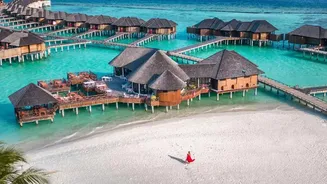
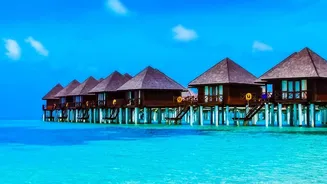
For decades, the postcard image of the Maldives was one of flawless, but often interchangeable, luxury. Many of the archipelago’s most famous resorts were financed by foreign capital and designed by international architectural firms. While undeniably
beautiful, the result was sometimes a landscape of five-star properties that could have been anywhere in the world, offering a paradise disconnected from the nation’s rich cultural and maritime heritage. Visitors would leave with stunning photos, but little sense of the real Maldives, a nation with its own unique language, history, and traditions. The experience, though luxurious, often skimmed the surface. Now, a growing movement is gently pushing back against this model, championing a form of tourism that is not just in the Maldives, but of the Maldives.
A New Wave of Local Hoteliers
This shift is being driven by a new generation of Maldivian entrepreneurs and pioneering families who are stepping into the luxury space. While locally-run guesthouses have been offering authentic experiences on inhabited islands for over a decade, this trend sees Maldivians taking the helm of high-end resorts. They are not just managing properties; they are shaping them from the ground up. For these owners, a resort is more than a business—it's a legacy and a platform for cultural expression. By taking control of the narrative, they are infusing the guest experience with a sense of place and pride that can be difficult to replicate. This approach represents a significant evolution, moving from providing services to curating deeply personal and culturally resonant worlds for travellers to inhabit.
Design with a Dhivehi Soul
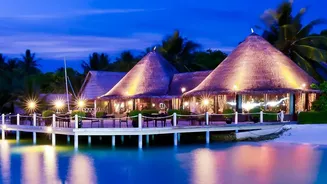
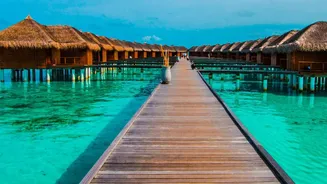
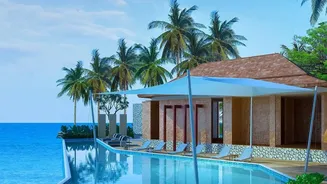
So, what does this authentic Maldivian design look like? It’s a thoughtful blend of tradition and contemporary comfort. Instead of generic modernity, these properties are rooted in local aesthetics. You’ll find architectural features that echo the curved hulls of the traditional dhoni boat or the organic shapes of the islands themselves. Materials are often locally inspired, with designs incorporating natural wood and palm-thatched roofs that have sheltered islanders for centuries. For example, the Maldivian-owned Milaidhoo resort was designed by local architect Mohamed Shafeeq to honour island traditions, using custom-made furnishings and local crafts. Similarly, The Nautilus Maldives, another Maldivian-owned property, features bespoke bohemian luxury with decor that reflects the tranquil spirit of its Baa Atoll home. This is design that tells a story, connecting the structure to its environment and history.
Weaving Stories into a Stay
This new philosophy extends far beyond architecture. The experience itself becomes a form of storytelling. Menus are a powerful example, moving away from international fare to celebrate the nation's culinary heritage. Some resorts are creating fine-dining experiences based on ingredients from the Spice Route trade that shaped the islands’ history. Milaidhoo’s signature restaurant, Ba’theli, is built in the shape of three traditional cargo boats and serves a menu inspired by Maldivian heritage. Patina Maldives, another resort focusing on cultural connection, recently launched KANDU, a dining concept dedicated to modern Maldivian cuisine, drawing from generations of island cooking and even 'grandmother recipes'. These culinary journeys allow guests to taste the history of the archipelago, from the staple tuna and coconut to regional herbs and spices, turning a simple meal into a cultural immersion.
The New Luxury is Connection
Ultimately, this trend redefines what luxury means in a destination like the Maldives. It suggests that true opulence isn't just about the thread count of the sheets or the size of the private pool, but about the depth of the connection a traveller can forge with the place they are visiting. Staying in a Maldivian-owned and inspired property offers a chance to contribute directly to the local economy and to engage with the culture in a more meaningful way. It’s an invitation to see beyond the idyllic beaches and discover the soul of the nation. It shifts the focus from passive relaxation to active discovery, where guests can learn about traditional boat-building, listen to local music, or understand the folklore behind a particular dish. This is a more conscious, and ultimately more memorable, way to travel.