



The Problem with Throwaway Rockets
For decades, the logic of space launch was simple but expensive: build a powerful rocket, use it once to deliver a satellite into orbit, and let its most expensive parts fall into the ocean as debris. This disposable model is like flying a passenger jet
from Mumbai to Delhi and then throwing the entire aircraft away. The cost of the engines, fuel tanks, and complex electronics that make up a rocket's first stage booster is immense. Discarding them after a single flight is the primary reason why accessing space has remained prohibitively expensive for all but the most well-funded governments and corporations. In a world demanding more satellites for everything from internet access to climate monitoring, this one-and-done approach is a major economic bottleneck.
Agnikul’s Pragmatic Path to Reusability
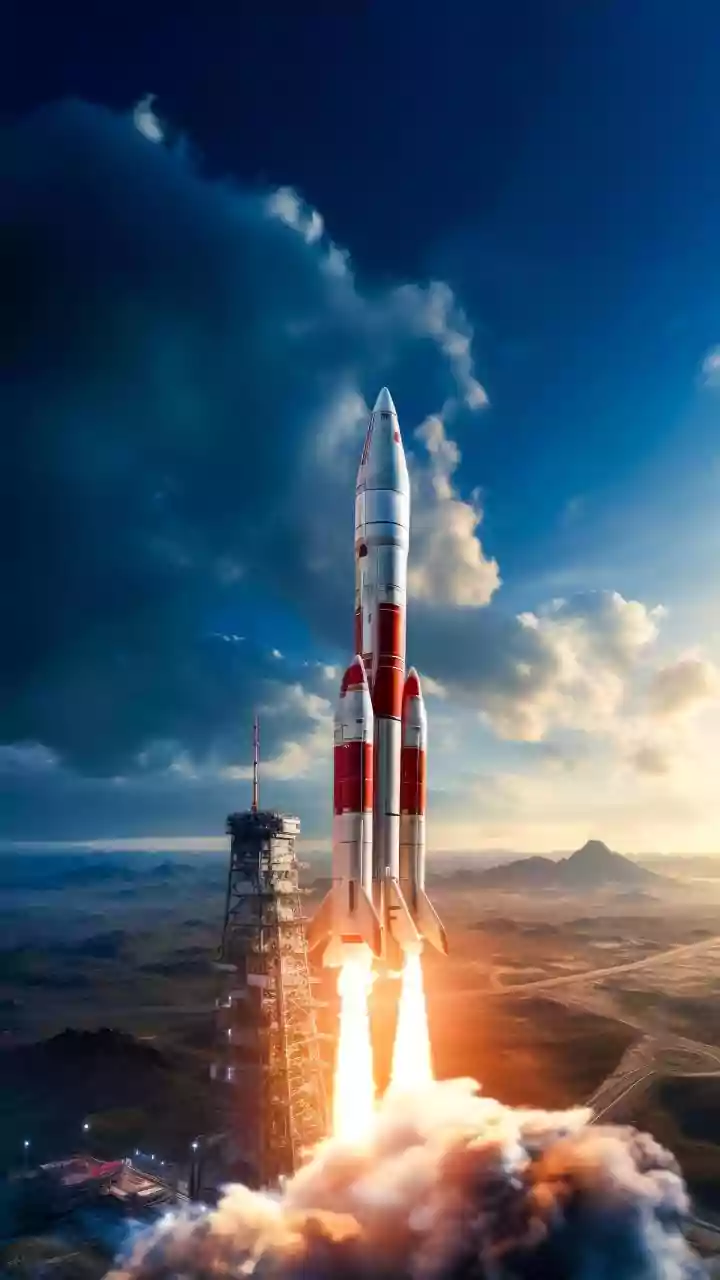
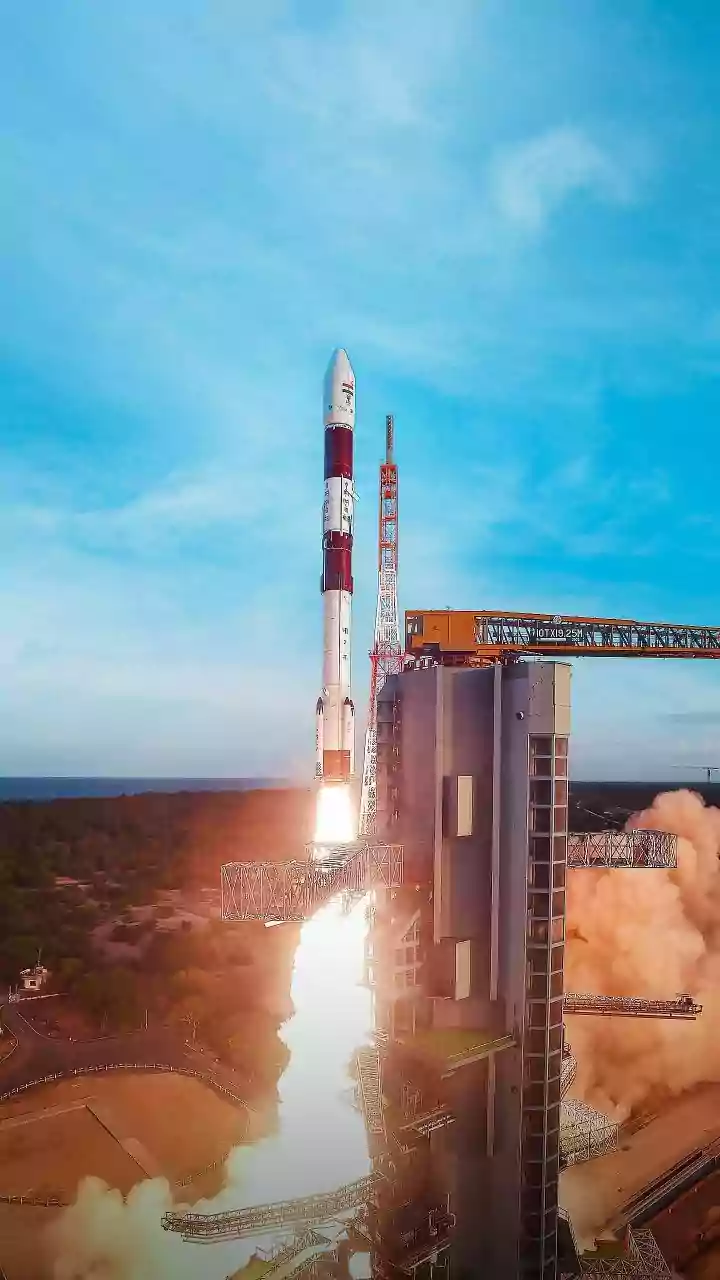
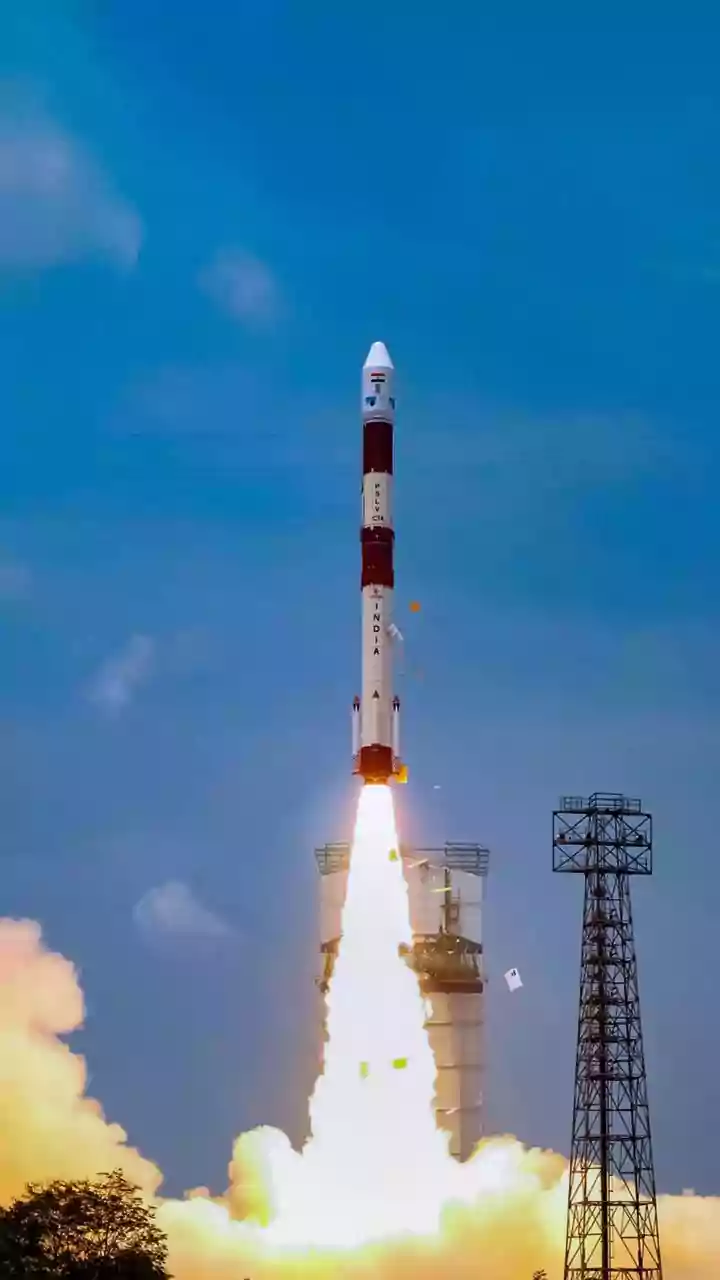
Chennai-based Agnikul Cosmos is charting a different course with its upcoming Mission 02. Instead of letting its Agnibaan rocket's first stage become junk, the company plans to guide it through a controlled descent for an ocean recovery. Recent reports indicate the plan involves the booster attempting a powered vertical landing on a barge stationed in the Bay of Bengal. This is a significant step, marking India's first private-sector attempt at recovering an orbital-class rocket booster. The goal is to retrieve the booster, refurbish it, and fly it again, which the company estimates could slash launch costs by up to 80%. This strategy is not just about saving money; it’s about increasing the frequency of launches and making space more accessible.
Different from Disposable, Distinct from SpaceX
Agnikul's plan is a strategic middle ground. It's a world away from the fully disposable rockets of the past, but it's also different from the high-profile method used by SpaceX. While SpaceX executes complex and costly propulsive landings of its Falcon 9 boosters on drone ships or land, Agnikul is pursuing what appears to be a more straightforward ocean-based recovery. This approach avoids some of the immense technical challenges and costs associated with pinpoint landings on a moving target. By choosing a controlled return to the sea, Agnikul is making a pragmatic bet: that a simpler, more cost-effective form of reusability is the right fit for the small satellite launch market it aims to serve. It's a solution designed for efficiency, not just for show.
Innovation Beyond the Booster
Agnikul's focus on efficiency is woven into its entire rocket, the Agnibaan. A key innovation is the Agnilet engine, the world's first single-piece, 3D-printed rocket engine. This semi-cryogenic engine, which powers both the first and second stages, can be manufactured in just days, dramatically cutting production time and costs compared to traditional methods. Furthermore, the company is pioneering a 'convertible upper stage'. Instead of the second stage becoming space debris after deploying a satellite, Agnikul plans for it to remain in orbit as a functional platform, potentially for hosting experiments or other tasks. This patented technology aims to ensure that no part of the rocket is wasted.
The Big Picture for India's Space Economy
Agnikul's Mission 02 is more than just a single company's ambition; it's a pivotal moment for India's burgeoning private space industry. Success would provide a homegrown, private-sector pathway to the reusable rocket technology that has become a prerequisite for competing in the global launch market. With companies like SpaceX fundamentally changing launch economics, Agnikul's efforts are crucial for India to capture a larger share of the multi-billion dollar space economy. The recent addition of former ISRO chairman S. Somanath to Agnikul's board as an observer underscores the national significance of this mission, blending startup agility with veteran space-program experience. This synergy between the private sector and institutional expertise could be the rocket fuel India needs to become a dominant player in commercial spaceflight.