






The Rise of Coffee Puritanism
Walk into any high-end cafe today, and you'll encounter the gospel of 'third wave' coffee. This movement, which began in the early 2000s, transformed coffee from a simple commodity into an artisanal craft, much like fine wine. It emphasizes single-origin
beans, lighter roast profiles that highlight natural flavours, and meticulous brewing methods. The goal is to celebrate the unique character of each bean—its terroir, processing, and inherent notes. In this world, the ideal cup is often black, unsweetened, and unadorned. The logic is that adding milk or sugar would mask the delicate, complex flavours the farmer, roaster, and barista worked so hard to produce. This has inadvertently created a new form of coffee etiquette, where a request for sugar is sometimes met with a subtle look of disapproval.
A Sweet and Storied History
The idea of coffee as a strictly black, bitter beverage is a relatively modern one. For most of its history, coffee has been enjoyed with additives. When coffee first arrived in Europe in the 16th century, both it and sugar were expensive luxuries reserved for the wealthy. Early coffee beans were often low-quality and roasted very dark, resulting in an intensely bitter flavour that was made more palatable with sugar. As both commodities became more affordable, a cup of sweet, hot coffee became a staple for labourers, providing calories, warmth, and a caffeine boost without the intoxicating effects of alcohol. Even the rise of instant coffee in the 20th century, which often used cheaper Robusta beans, further cemented the habit of adding sugar to mask bitterness. Far from being a modern corruption, sweetening coffee is a tradition stretching back nearly 500 years.
The Science of Sweetness
Your desire for a sweeter cup isn't just a bad habit; it's rooted in chemistry. The primary role of sugar is to counteract bitterness. Research has shown that at a molecular level, sugar molecules can change the structure of the water in coffee, which in turn affects how caffeine molecules cluster together and are perceived by our taste buds. Essentially, sugar doesn't just mask bitterness, it fundamentally alters the beverage's chemical composition to make it less bitter. Furthermore, some food scientists argue that a small amount of sugar can actually enhance your ability to perceive other flavours. By suppressing overwhelming bitterness or acidity, sugar can balance the cup and allow more subtle floral, fruity, or nutty notes to come forward. Interestingly, some studies suggest coffee itself can make you more sensitive to sweetness, which might explain why a sweet pastry or dark chocolate pairs so well with a bitter brew.
A World of Coffee Cultures
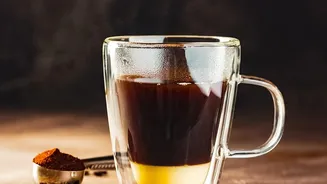
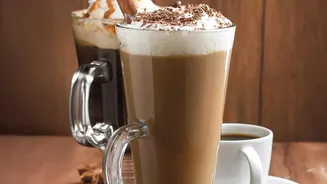
While third-wave purism dominates specialty cafes in some parts of the world, most global coffee traditions embrace sugar and other additions. In Cuba, the café cubano is a shot of espresso whipped with a thick layer of sugar foam. Vietnamese street coffee is famously strong and sweet, often served with sweetened condensed milk. In traditional Ethiopian coffee ceremonies, sugar, salt, or even butter may be added. In Mexico, café de olla is a sweet, spiced coffee brewed in a clay pot with cinnamon. These are not considered inferior ways of drinking coffee; they are celebrated cultural practices. They demonstrate that there is no single 'correct' way to enjoy the beverage. The focus is on creating a delicious and communal experience, not adhering to a rigid set of rules.