





The Core Finding: A Conditional Promise
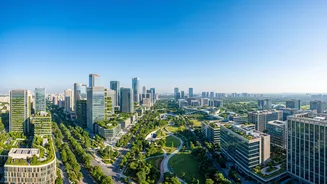
The report, titled 'Hidden Assets: The Economic and Health Case for Climate and Clean Air Action', delivers a conditional verdict on Delhi's future. The headline takeaway is a projection: Delhi can reduce its cumulative PM2.5 exposure burden by 20% by the
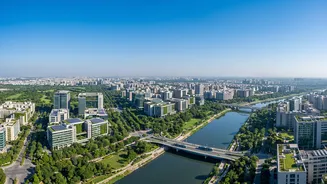
year 2040. This significant improvement, however, is entirely contingent on the city and country meeting their current national air quality standards on schedule, starting from 2026. The report frames this moment as a critical fork in the road, where immediate, sustained action can yield tangible benefits in public health and the economy over the next decade and a half.
The High Cost of Delay
The UN report underscores a severe warning: delay is not an option. It models a scenario where implementation is pushed back by about eight years, which it identifies as the expected global average delay due to various hurdles. In this case, the potential reduction in PM2.5 exposure is slashed in half, dropping to a mere 10%. This would translate into substantially greater health impacts and economic losses. Globally, the report calculates that each year of delayed action on a package of 25 identified clean-air and climate solutions forfeits over $1.5 trillion in potential benefits. For Delhi, this means the difference between a healthier future and a prolonged public health crisis is measured in how quickly policies move from paper to practice.
A Mixed Bag of Progress and Persistent Problems
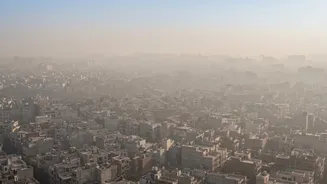
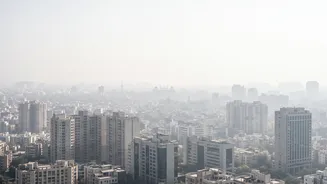
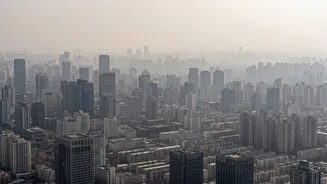
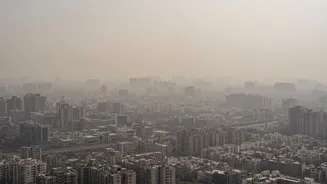
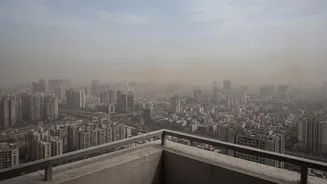
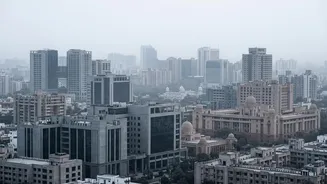
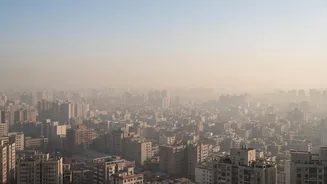
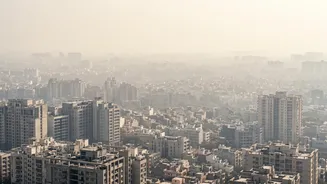
While the UN's projections are future-focused, other recent data paints a complex picture of the present. According to the government's Swachh Vayu Sarvekshan 2026, which assesses cities on pollution-control actions rather than just air quality levels, Delhi ranked 21st among large cities. This was an improvement from 32nd place in 2025 and placed it ahead of other metros like Bengaluru and Mumbai. However, this ranking belies the grim reality on the ground. Delhi’s annual average PM2.5 levels remain significantly above national permissible standards. The city still experienced a severe pollution crisis in the winter of 2025-26, with authorities forced to implement the strictest 'Stage IV' of the Graded Response Action Plan (GRAP) in January 2026 as the AQI plunged into the 'severe-plus' category.
The Human Toll and the Path Forward
The report ultimately connects policy with people's lives. Previous studies from earlier in 2026 have estimated that Delhi's residents stand to lose between 8 to 11.9 years of life expectancy due to chronic exposure to toxic air. The UNEP report reinforces the urgency of tackling this by identifying 25 feasible solutions. These include a rapid transition to renewable power, improving energy efficiency, promoting clean cooking and heating, and enforcing stricter vehicle emission standards. The biggest hurdles identified are not technological but institutional—things like weak enforcement, poor coordination between government bodies, and siloed decision-making. Overcoming these institutional barriers is presented as the key to unlocking a cleaner, healthier future for millions.