






The Route at the Heart of the Trials
The focus of this landmark testing phase is the proposed service connecting Bengaluru with the coastal hub of Mangaluru. For years, this route has been a pain point for travellers, who rely on lengthy bus journeys or slower trains. The game-changer, and the primary
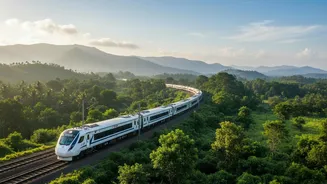
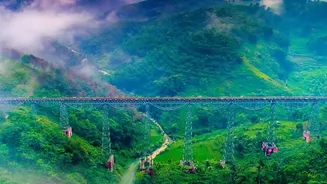
challenge, lies in the 55-kilometre stretch between Sakleshpur and Subrahmanya Road. This segment, running through the dense Shiradi Ghat, is one of Indian Railways' most technically demanding sections, featuring a steep gradient, 57 tunnels, and 226 bridges. The successful operation of a Vande Bharat train here would represent a significant engineering achievement and a massive upgrade for regional connectivity. The first trial run was conducted on August 12, with the train successfully navigating the ghat section.
Putting Safety First: What the Tests Involve
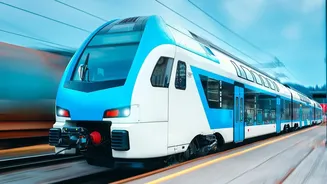
This isn't just a simple run-through; it's a rigorous evaluation overseen by the Research Designs and Standards Organisation (RDSO). The trial runs, scheduled to continue until August 20, are designed to test every aspect of the train's performance in this unique environment. To tackle the steep descent, the 20-coach rake, specially built by the Integral Coach Factory in Chennai, is equipped with an Automatic Emergency Braking (AEB) system. This technology is crucial because the Vande Bharat's design doesn't allow for the use of traditional 'banker' locomotives that assist other trains on steep inclines. During the trials, which use sandbags to simulate passenger weight, engineers are assessing the train's stability, braking efficiency on sharp curves, and overall safety at controlled speeds, which are capped at 30 kmph in this section.
A Boost for Passengers, Tourism, and Trade
Should these trials prove successful and lead to regular service, the impact will be transformative. The new Vande Bharat Express is expected to cut the travel time between Bengaluru and Mangaluru to approximately seven hours, a significant reduction that will benefit business travellers, students, and families alike. The service will improve the travel experience with modern amenities and comfort, offering a premium alternative to existing transport options. Furthermore, enhanced connectivity is expected to provide a major boost to tourism across the coastal belt, making destinations like Udupi, Murudeshwar, and Kukke Subrahmanya more accessible. Local leaders and residents have enthusiastically welcomed the trials, celebrating it as a milestone after years of appeals for better rail links.
The Road Ahead: Hurdles and Hopes
While the initial trial runs have been hailed as a success, several steps remain before the commercial launch. The data collected from these tests will be thoroughly analyzed to ensure all safety and operational parameters are met. The Western Ghats are prone to landslides, especially during the monsoon, which remains a key operational consideration for a high-speed service. Following the completion of the trials, the South Western Railway will need to secure final approvals from the Railway Board before an official launch date can be announced. For now, the sight of the Vande Bharat traversing the scenic ghats has sparked immense optimism, signaling that a new era of faster, more efficient travel for coastal Karnataka is finally on the horizon.