






The Myth of the Perfect Banana Time
You may have heard whispers online or from a well-meaning friend: eat bananas in the morning for energy, but never at night. Or perhaps you were told to have one before a workout, but not on an empty stomach. This concept of a “banana clock”—a perfect
time to eat the fruit for maximum benefits—is a persistent myth. While timing can slightly alter how your body uses the fruit's nutrients, there is no single best time for everyone. The truth is far more nuanced and depends less on the time of day and more on your personal health goals and, most importantly, the ripeness of the banana itself.
Green vs. Yellow: Ripeness Is the Real Story
The most significant factor influencing a banana's health impact is its stage of ripeness. As a banana matures, its nutritional profile changes dramatically. A green, unripe banana is packed with resistant starch. This type of carbohydrate functions like fiber, resisting digestion in the small intestine. As a result, green bananas have a low glycemic index (GI), meaning they release sugar into the bloodstream slowly. This makes them an excellent choice for individuals focused on blood sugar management and gut health, as resistant starch acts as a prebiotic, feeding beneficial gut bacteria.
The Sweet Spot of Ripe Bananas
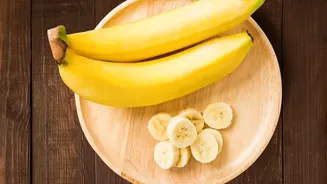
As a banana turns from green to yellow, that resistant starch converts into simple sugars like glucose and fructose. This makes a ripe, yellow banana sweeter, softer, and easier to digest. Its GI is higher than a green banana's, providing a quicker source of energy, which is ideal before a workout. Furthermore, as a banana ripens and develops brown spots, its antioxidant levels increase. These compounds help combat cellular damage in the body. So, if you're looking for a quick energy boost or an antioxidant lift, a ripe or even overripe banana is your best bet.
Morning Fuel or Evening Snack?
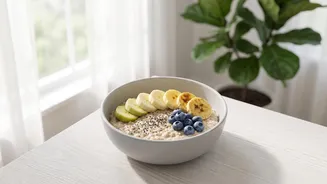
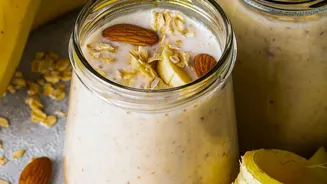
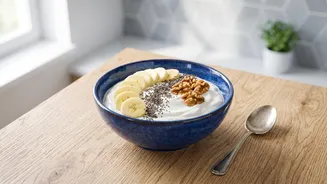
Let's break down the common timing advice. Eating a banana in the morning can be a great way to start your day, but it’s best not to eat it alone on an empty stomach. Pairing it with a source of protein or healthy fat, like yogurt or nut butter, can help slow the absorption of sugar and provide more sustained energy. For an evening snack, bananas are often recommended for their magnesium and potassium, which can help relax muscles. They also contain the amino acid tryptophan, a precursor to serotonin and melatonin, which are involved in regulating sleep. However, the amounts are relatively modest, so while a banana won't act like a sleeping pill, it can be part of a calming bedtime routine.
Listen to Your Body, Not the Clock
Ultimately, the best time to eat a banana is when it fits your needs and lifestyle. An athlete might grab a ripe banana 30-60 minutes before training for a rapid energy source. Someone with diabetes might prefer a greener banana paired with protein to minimize blood sugar spikes. If you're looking for a gut-friendly food, the resistant starch in an unripe banana is beneficial. The idea that eating a banana at night is inherently “bad” is not supported by scientific evidence. What matters is your overall diet, your activity level, and your specific health objectives.