





The Real Story Behind Strong Bones
When we think about bone nutrition, our minds immediately jump to calcium. While crucial, calcium doesn't work alone. Building and maintaining strong bones is a team effort, requiring a complex interplay of minerals and proteins. Your skeleton is a dynamic,
living tissue that is constantly breaking down and rebuilding itself. For this process to work efficiently, it needs a steady supply of key nutrients. These include not only calcium but also phosphorus and magnesium, which form the mineral structure of your bones. Protein is also essential, creating the flexible matrix upon which these minerals are deposited. Without sufficient protein, bones can become brittle. Think of it like constructing a building: protein is the scaffolding, and minerals like calcium and phosphorus are the concrete poured into the frame. A deficiency in any of these core components can compromise the entire structure, making bones more susceptible to fractures over time.
Amaranth: A Nutritional Powerhouse
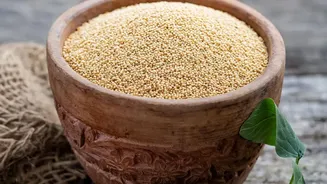
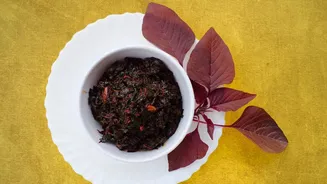
This is where amaranth enters the story. This tiny pseudo-grain, native to the Americas but cultivated for centuries in India, is packed with an impressive array of bone-supporting nutrients. A single cup of cooked amaranth provides a significant portion of your daily needs for several key minerals. It is particularly rich in manganese, which is vital for bone formation, and also offers substantial amounts of magnesium and phosphorus. Crucially, amaranth is a good source of plant-based calcium. Unlike many other grains, amaranth is a complete protein, meaning it contains all nine essential amino acids. This includes lysine, an amino acid that is not only limited in most cereals but also plays a role in calcium absorption. This unique combination makes amaranth a standout ingredient for anyone looking to support their skeletal health through diet.
More Than Just Numbers
The nutritional profile on paper is one thing, but how our bodies use those nutrients—a concept known as bioavailability—is what truly matters. Some plant foods contain compounds like phytates and oxalates that can hinder mineral absorption. While amaranth does contain these, its levels are generally lower than in many other grains, and simple preparation methods like soaking or cooking can further reduce them, improving the availability of its valuable minerals. Furthermore, amaranth is naturally gluten-free, making it an excellent choice for those with celiac disease or gluten sensitivity. Its high fibre content also supports digestive health, which is fundamental for efficient nutrient absorption. This complete package of high-quality protein, essential minerals, and good digestibility makes amaranth a truly functional food.
Simple Amaranth Breakfast Swaps
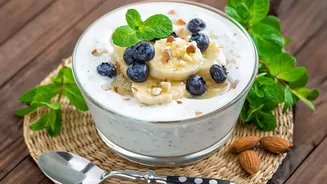
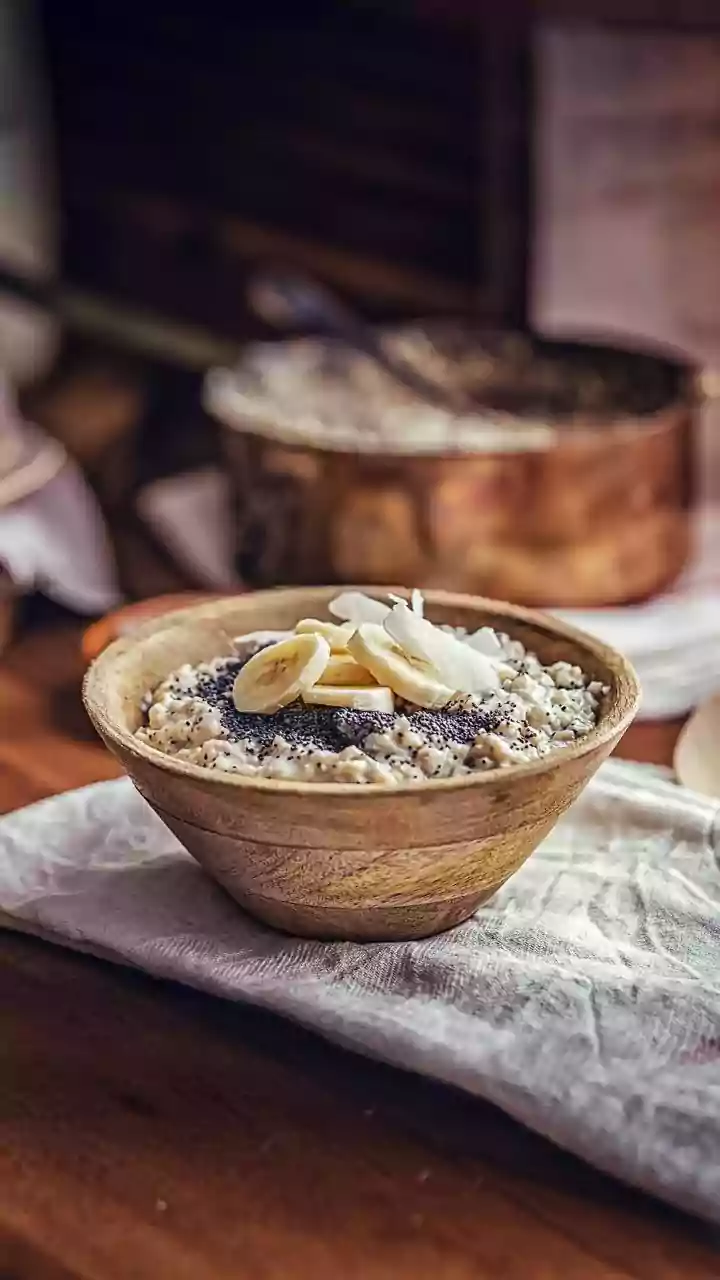
Incorporating this superfood into your morning routine is surprisingly easy and delicious. Its nutty, slightly earthy flavour works well in both sweet and savoury dishes. One of the simplest methods is to cook it into a creamy porridge. Simmer one part amaranth with two to three parts water or milk for about 20-25 minutes until it thickens. You can sweeten it with jaggery and top it with nuts and fruits for a classic breakfast bowl. For a savoury take, try making a rajgira upma. After pressure cooking the soaked grains, temper them with mustard seeds, curry leaves, onions, and your favourite vegetables for a hearty start to the day. You can also add cooked amaranth to your dosa or cheela batter to boost its protein and mineral content, or simply mix popped amaranth seeds into your morning yogurt for a crunchy, nutritious addition.
A Modern Take on Tradition
While amaranth porridge might seem like a new health trend, it’s deeply rooted in Indian food culture. Known as rajgira, which translates to "royal grain," it has long been a staple during fasting periods (vrat). Traditionally, it's used to make everything from ladoos and chikkis to fluffy puris. By reimagining these traditional uses for the modern breakfast table—like turning a ladoo's ingredients into a porridge topping or adapting a puri recipe into a breakfast flatbread—we're not just adopting a new health food. We are reconnecting with a wise food tradition that has nourished generations. This blend of ancient wisdom and modern nutritional science offers a powerful, practical, and delicious way to fortify our bodies from the inside out.