






What the New UN Report Says
A report released in September 2026 by the UN Environment Programme (UNEP) and the Climate and Clean Air Coalition (CCAC) delivered a stark warning. Titled 'Hidden Assets: The Economic and Health Case for Climate and Clean Air Action', the report projects
that if Delhi meets its national air quality standards on schedule from 2026, it could reduce its cumulative PM2.5 exposure burden by 20% by 2040. However, an eight-year delay—which is in line with the expected global average for implementation—would slash that benefit in half, to a mere 10% reduction. This delay would lead to significantly greater health impacts and economic costs. The report is the first of its kind to provide a comprehensive global economic assessment of integrated climate and clean air actions, framing clean air not as a cost but as a 'hidden asset'.
A Familiar Story of Alarming Air
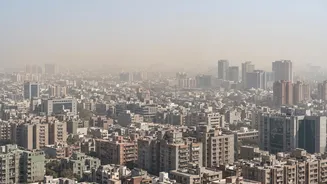
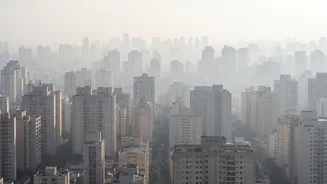
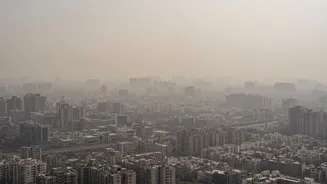
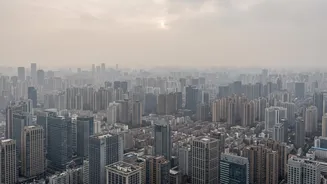
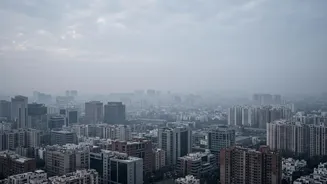
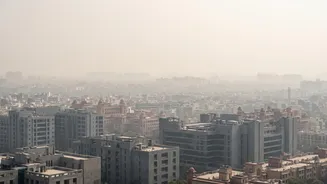
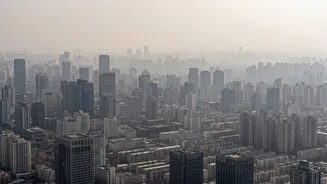
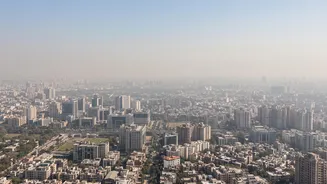
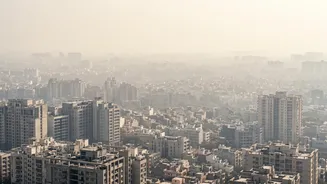
For Delhi's residents, dire warnings are nothing new. The city has consistently ranked among the most polluted in the world. Every winter, a combination of factors traps pollutants in the air, turning the city into what has been described as a "gas chamber." The primary pollutants of concern are Particulate Matter (PM2.5 and PM10), tiny airborne particles that can penetrate deep into the lungs and enter the bloodstream, causing severe health issues. According to a 2022 study, air pollution in Delhi was found to be one of the most lethal of any city in the world, and it is estimated to irreversibly damage the lungs of over two million children. The causes are a complex and persistent mix: vehicular emissions, industrial pollution from coal power plants, road and construction dust, and the seasonal burning of crop residue in neighbouring states like Punjab and Haryana.
The Policy Response: A Mixed Report Card
India has not been sitting idle. The government has launched several initiatives, most notably the National Clean Air Programme (NCAP) in 2019, which aims to reduce particulate matter pollution across 130 cities. For Delhi-NCR, the most prominent tool is the Graded Response Action Plan (GRAP), an emergency response mechanism triggered by deteriorating air quality forecasts. Instituted in 2017, GRAP imposes a series of measures in four stages, from halting construction and restricting vehicle use to shutting down industries as the Air Quality Index (AQI) worsens. However, the effectiveness of these measures is highly debated. While some data shows marginal improvements, studies and official reviews have pointed to significant gaps in implementation and enforcement. A review by the Commission for Air Quality Management (CAQM) in early 2026 revealed major shortfalls in mandated actions like mechanical road sweeping and inspections.
The Human and Economic Cost
The latest UN report emphasizes the economic argument for cleaner air, suggesting every dollar invested can yield substantial returns. The costs of inaction are already staggering. Air pollution is linked to millions of premature deaths in India annually. It is a leading risk factor for chronic respiratory diseases, heart conditions, and strokes. Beyond the tragic human toll, the economic impact is immense. A 2019 analysis suggested that air pollution-related costs offset nearly 1.36% of India's GDP due to lost productivity, increased healthcare burdens, and premature deaths. The constant cycle of severe pollution disrupts daily life, forces school closures, and impacts the well-being of millions, making it a pervasive public health and economic crisis.