





Why the Low Bun Reigns Supreme
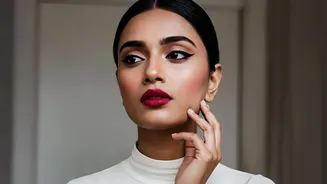
Few hairstyles transition as seamlessly from the office to an evening out as the low bun. Its position at the nape of the neck lends an air of understated elegance that complements professional attire. It keeps hair neatly off your face, allowing you to focus
on your tasks without distraction. Whether your workplace is corporate formal or creative casual, a low bun adapts. It can be styled as sleek and minimalist or soft and relaxed, making it a universally appropriate choice. This combination of practicality and sophistication is why it remains a go-to for workdays.
The Classic Low Bun: A Step-by-Step Guide
Achieving the perfect low bun is simpler than it looks. Start with dry hair; second or third-day hair often has more grip. First, brush your hair to remove any tangles and create your desired part—a center or side part both work well. Gather your hair into a low ponytail at the nape of your neck and secure it with an elastic. Twist the ponytail from the base to the ends, then coil the twisted section around the elastic to form a bun. Tuck the ends underneath and secure the entire bun with bobby pins, inserting them toward the center for a firm hold. A final spritz of hairspray will tame any flyaways and lock the style in place.
Chic Variations for the Office
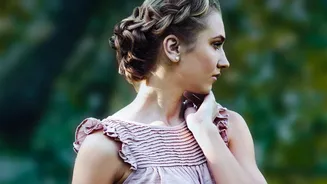
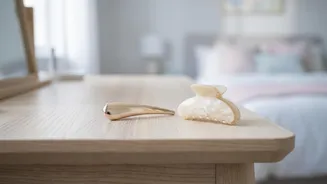
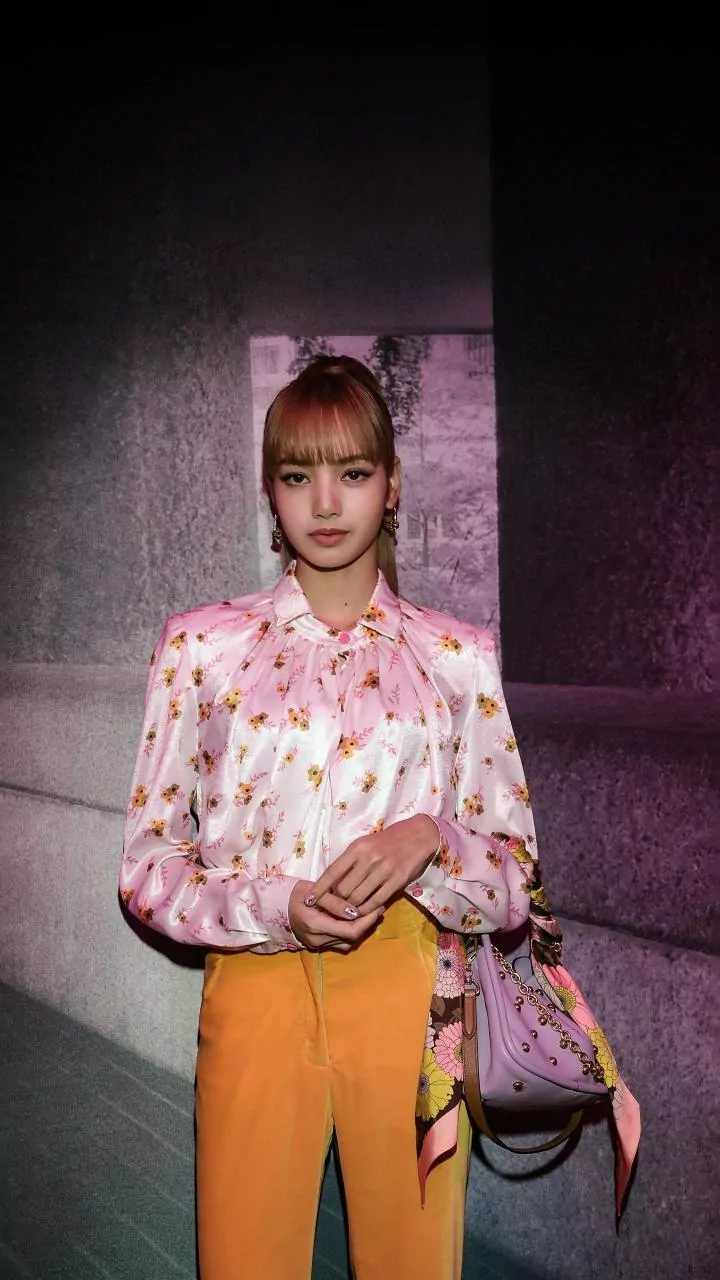
Once you've mastered the classic, you can explore simple variations. The braided low bun adds a touch of texture and elegance; simply braid your ponytail before coiling it into a bun. For a more modern feel, try a twisted bun by dividing the ponytail into two sections, twisting them around each other, and then forming the bun. On days when you prefer a softer look, the messy low bun is an excellent choice. This version involves loosely gathering the hair and allowing a few strands to frame the face for an effortlessly chic effect. You can also elevate any low bun by adding subtle accessories like decorative pins or a simple barrette.
Tips for Different Hair Types
The low bun is adaptable to any hair texture with a few adjustments. For fine or thin hair, creating volume is key. Applying a volumizing spray at the roots or gently teasing the ponytail before twisting can make the bun appear fuller. A small hair donut can also be used as a base to create the illusion of more hair. Those with thick hair should focus on distributing the weight. Splitting the ponytail into two separate twists and wrapping them in opposite directions can help create a more balanced and secure bun. For curly and coily hair, work with your natural texture. Use your fingers instead of a brush to gather your hair to preserve your curl pattern, and use a leave-in conditioner or curl cream to ensure a smooth, hydrated finish.
Making Your Bun Last All Day
The key to a long-lasting bun is a secure foundation and the right products. Using a strong elastic, or even a bungee elastic, can prevent the ponytail from loosening over time. When pinning, inserting bobby pins in a crisscross pattern adds extra security. For a sleek, bump-free finish, a boar bristle brush is an invaluable tool for smoothing hair back. A light mist of a flexible-hold hairspray will control flyaways without making your hair feel stiff. If you have particularly slippery or freshly washed hair, a bit of dry shampoo or texturizing spray at the roots can provide the grip needed to hold the style firmly in place all day.