






India’s electric vehicle market just hit a new milestone. In October 2026, retail sales of electric passenger vehicles soared to 37,049 units, marking a massive 76% jump from the previous year and signaling a decisive shift in consumer choice.
Putting the Numbers in Context
The headline
figure of 37,049 units is a powerful indicator of the EV market's health. According to data from the Federation of Automobile Dealers Associations (FADA), this represents a 76.47% year-on-year growth compared to the 20,995 units sold in October 2025. While this is a huge annual leap, it also shows a steady 2.61% increase from September 2026, when 36,108 units were retailed. Perhaps most significantly, electric vehicles now account for 7.3% of all new passenger cars sold in India, more than doubling their market share from 3.5% just a year ago. This growth is especially notable as it occurred while the overall passenger vehicle market saw a decline, highlighting a clear and accelerating preference for electric mobility among Indian car buyers.
The Leaders of the Pack
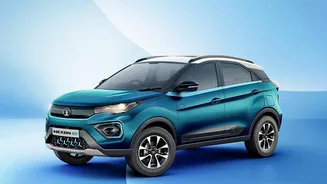
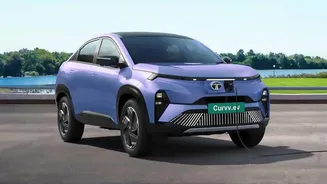
Tata Motors continues its reign as the dominant force in India's EV space. The homegrown automaker retailed 14,669 electric vehicles in October, commanding a formidable market share of nearly 40%. While Tata's position remains strong, the competition is heating up. Mahindra & Mahindra has solidified its spot as a powerful number two, with its sales surging by an impressive 85.65% year-on-year to 8,538 units. This aggressive growth has helped Mahindra capture around 23% of the market, closing the gap on the leader. JSW MG Motor India secured the third position with 5,939 units sold, maintaining a strong presence. Together, these top three players account for nearly 80% of all electric car sales in the country, demonstrating their collective grip on the market.
What's Fuelling the EV Boom?
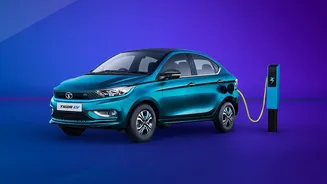
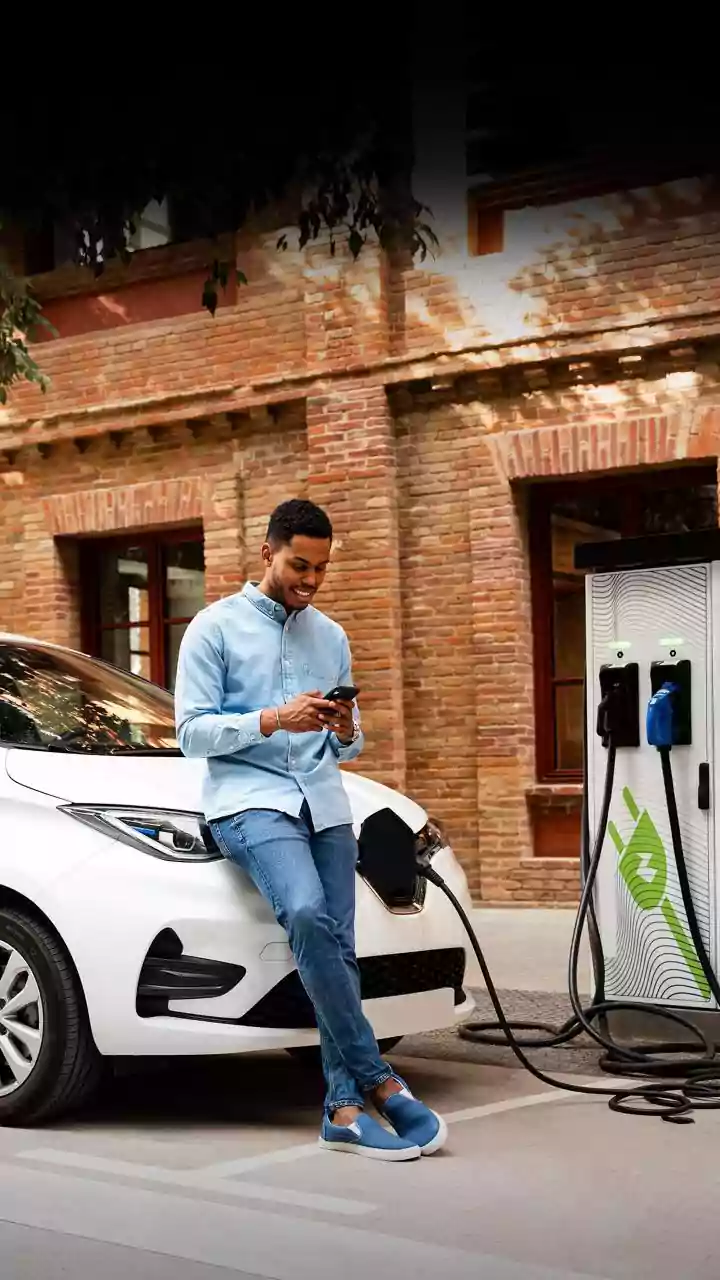
Several factors are converging to supercharge India's EV sales. The festive season in October traditionally boosts vehicle purchases, but the trend runs deeper. A wider availability of models across different price points is a major driver. Consumers now have more choices than ever, from affordable commuters like the Tata Tiago EV to capable SUVs from Mahindra and MG. Another key factor is the improving public charging infrastructure, which is helping to alleviate 'range anxiety', one of the biggest historical barriers to adoption. Persistent high prices for petrol and diesel also make the lower running costs of EVs increasingly attractive to cost-conscious buyers. Finally, supportive government policies, including subsidies and incentives, continue to make electric vehicles a more accessible option for a broader range of consumers.
The Road Ahead: Challenges and Opportunities
Despite the impressive sales figures, the road to mass EV adoption is not without its bumps. While the charging network is growing, its density and reliability, especially outside major urban centres, remain a concern for many potential buyers. The initial purchase price of an EV, although falling, is still higher than a comparable internal combustion engine (ICE) vehicle, which can be a significant hurdle. Furthermore, the industry faces potential headwinds from supply chain issues, particularly related to battery components and semiconductors. However, the momentum is undeniably positive. As battery technology improves, costs continue to decline, and more manufacturers enter the fray, the value proposition of owning an EV will only get stronger. The October sales surge is not just a monthly anomaly; it's a clear sign that India's electric mobility revolution has shifted into a higher gear.