
The Peppery Crunch vs. The Earthy Sweet
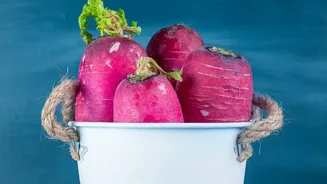
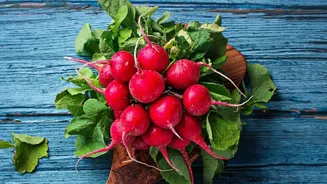
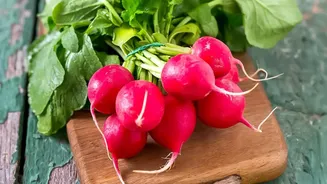
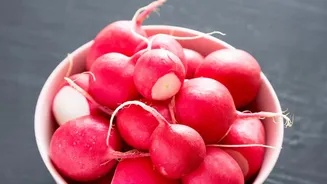
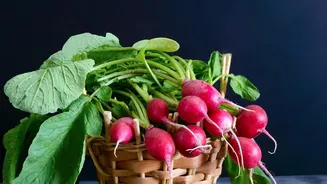
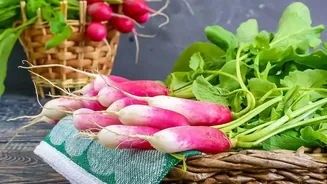
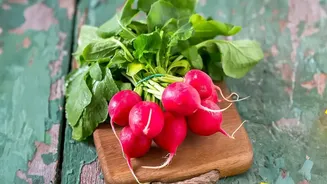
The most immediate difference between a radish and a beetroot is the experience of eating them. Radishes, especially the small red globes or the long white daikon types popular in India (often called mooli), deliver a distinct peppery bite and a satisfyingly
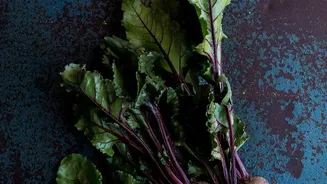
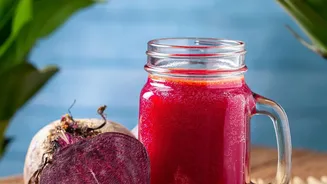
crisp, watery crunch. This sharpness can range from mild to spicy depending on the variety and freshness. Beetroot, on the other hand, is known for its deep, earthy sweetness and dense, firm texture. When cooked, this sweetness intensifies, and its texture becomes tender and smooth. Their flavour profiles dictate their best uses: the fresh, zesty crunch of radish is a perfect contrast in salads and sandwiches, while the rich sweetness of beetroot holds its own when roasted, boiled, or blended.
A Tale of Two Nutritional Profiles
On the nutrition front, both vegetables are champions, but they excel in different areas. Radishes are very low in calories and carbohydrates, making them a great choice for light, crunchy snacks. They are an excellent source of Vitamin C, an antioxidant that supports the immune system and protects cells from damage. They also provide fiber, which aids digestion, and potassium. Beetroot is a nutritional powerhouse of a different kind. It is rich in folate, manganese, and potassium. Its most celebrated components are dietary nitrates, which the body converts to nitric oxide. This compound helps relax blood vessels, which can support healthy blood pressure and improve blood flow. Studies suggest these nitrates may also enhance exercise performance and stamina. While beetroot is higher in natural sugars and calories than radish, it is also richer in overall minerals like iron and provides a good amount of fiber.
Raw Power in Salads and Raitas
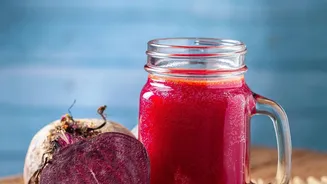
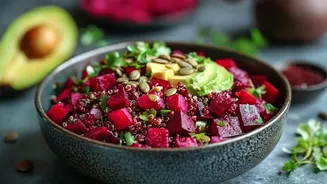
Both vegetables shine in their raw state, offering quick and easy ways to boost your nutrient intake. Thinly sliced radishes add a peppery kick and delightful texture to any green salad. In India, grated mooli is a classic addition to raitas, providing a cooling yet pungent counterpoint to the yoghurt. You can also simply slice them and sprinkle with a bit of salt and lemon juice for a refreshing snack. Raw beetroot can be grated into salads and slaws, lending a vibrant colour and sweet flavour. A popular preparation is a simple shredded beetroot and carrot salad, dressed with lemon juice and herbs. It can also be blended into juices and smoothies for a concentrated dose of its many nutrients.
Beyond the Salad Bowl: Cooking with Roots
Cooking transforms both vegetables, mellowing their intense flavours. Roasting radishes might sound unusual, but the heat softens their peppery bite and makes them juicy and surprisingly sweet. In Indian cuisine, the long white radish is a star ingredient. It's famously grated and stuffed into whole wheat dough to make flavourful Mooli Parathas, or cooked into a simple sabzi or stir-fry. Beetroot is incredibly versatile when cooked. It can be roasted whole, diced and added to curries, or blended into soups. Its earthy sweetness pairs beautifully with a range of spices. In South India, a beetroot 'poriyal' (a lightly spiced stir-fry with coconut) is a common and delicious side dish. Beetroot can also be boiled and pickled, or even grated into batter for parathas and dosas, giving them a stunning pink hue.
The Verdict: Which Root Is Right for You?
There is no winner in this vegetable face-off, only different choices for different needs. If you're looking for a low-calorie, crisp, and peppery addition to your meals that's high in Vitamin C, the radish is your go-to. If your goal is to support heart health and athletic performance with nitrates, or if you desire a sweeter, earthier flavour that is rich in a wider array of minerals, beetroot is an excellent choice. Ultimately, the best approach is to enjoy both. Their distinct tastes and nutritional strengths are complementary, and incorporating both into your diet is a fantastic way to ensure variety on your plate and a broader spectrum of health benefits.