
Lentils and Legumes
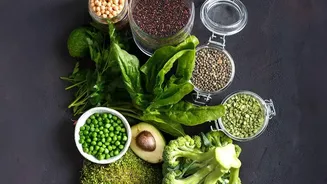
A cornerstone of the Indian diet for millennia, lentils (dals) and other legumes are nutritional powerhouses. They are packed with plant-based protein, which is essential for building and repairing body tissues and creating antibodies. They are also rich
in fibre for good gut health, along with crucial minerals like iron and folate, which are vital for preventing anaemia and supporting metabolic functions. When your body has these foundational blocks, it is better equipped to fight off infections that might otherwise take hold.
Yogurt (Dahi)
Traditional homemade yogurt is more than just a cooling side dish. It is a fantastic source of probiotics, the 'good' bacteria that live in your gut. A healthy gut microbiome is critical for proper digestion, nutrient absorption, and a robust immune response. When you eat nutrient-rich foods, it's your gut that does the work of extracting the benefits, and probiotics help ensure that process is as efficient as possible. Some studies suggest probiotics can reduce inflammation and help balance the immune system.
Turmeric (Haldi)
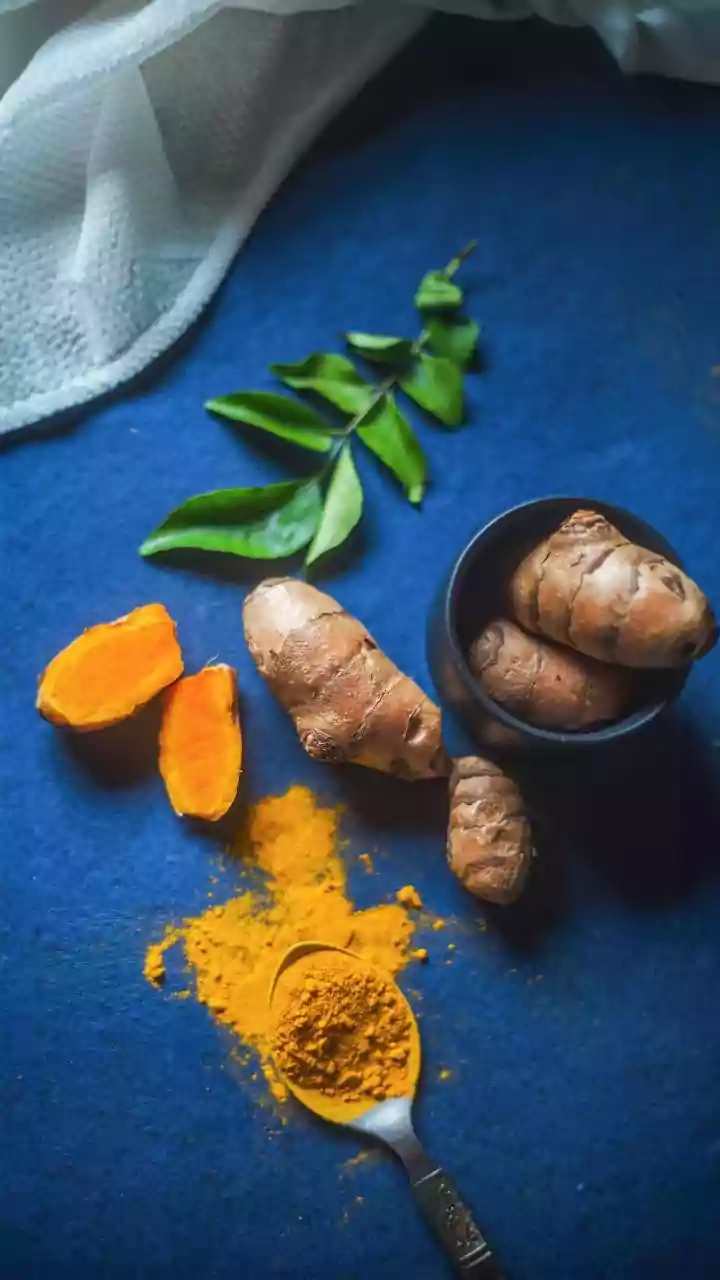
This vibrant yellow spice, a staple in every Indian kitchen, contains a powerful compound called curcumin. Curcumin is known for its strong anti-inflammatory and antioxidant properties. Chronic inflammation can weaken the immune system over time, and curcumin helps to regulate the body's inflammatory response. Research suggests it may also help modulate various immune cells, enhancing the body's defense mechanisms against pathogens.
Leafy Greens
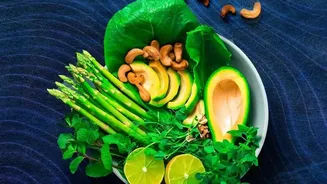
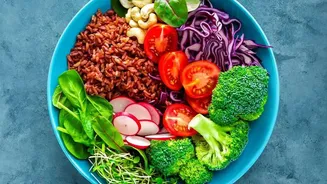
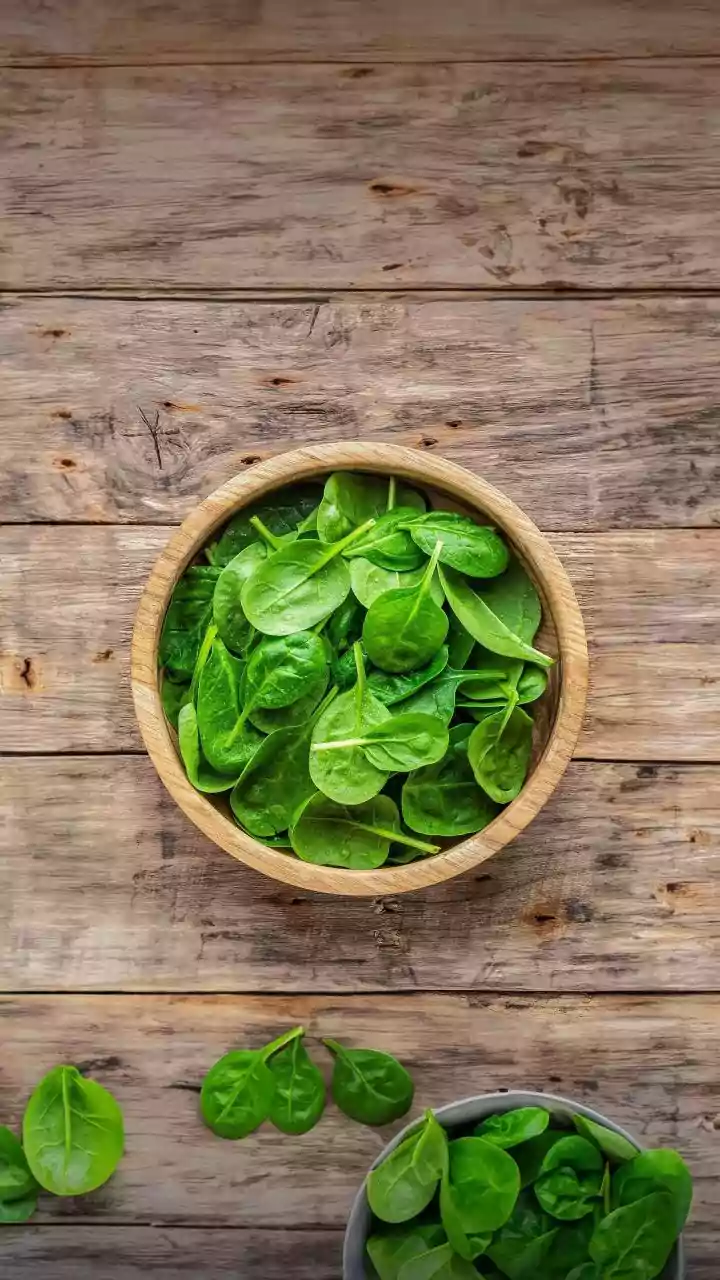
From spinach (palak) to fenugreek (methi) and mustard greens (sarson), Indian cuisine is rich with leafy green vegetables. These greens are packed with vitamins like Vitamin C, Vitamin A (as beta-carotene), and Vitamin K, as well as minerals like iron and calcium. Vitamin C is a powerful antioxidant that supports the immune system, while Vitamin A is crucial for maintaining the health of our skin and mucosal barriers—the body's first line of defence.
Citrus Fruits
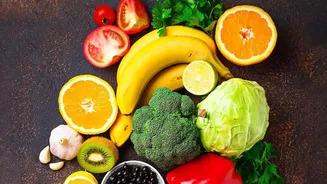
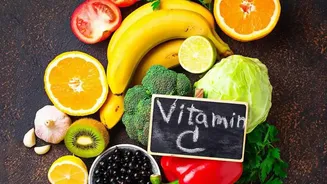
Lemons, oranges, and sweet limes are celebrated for their high Vitamin C content. Vitamin C is essential for a strong immune system; it helps encourage the production of white blood cells, which are key to fighting infections. Since the body doesn't produce or store Vitamin C, a regular daily intake is crucial for maintaining your defences. Vitamin C also acts as a potent antioxidant, protecting cells from damage.
Nuts and Seeds
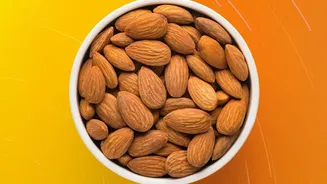
Almonds, walnuts, and seeds like flax or sunflower are dense sources of vital nutrients. They provide healthy fats, protein, fibre, and a range of vitamins and minerals, including Vitamin E, zinc, and magnesium. Vitamin E is a key antioxidant that supports immune function, while zinc is essential for immune cell development and communication. A handful of mixed nuts and seeds can be a simple way to get these protective micronutrients.
Millets (Jowar, Bajra, Ragi)
Once called 'coarse grains,' millets are now celebrated as 'nutri-cereals'. These ancient Indian grains are gluten-free and have a low glycemic index, making them excellent for managing blood sugar. They are rich in dietary fibre, protein, and essential minerals like iron, magnesium, and phosphorus. For example, Ragi (finger millet) is famously high in calcium. A healthy gut and stable blood sugar levels provide a solid foundation for overall wellness and immunity.
Ginger and Garlic
No Indian tadka is complete without ginger and garlic, and for good reason. Both have long been used in traditional medicine for their health-promoting properties. They possess potent anti-inflammatory, antioxidant, antiviral, and antimicrobial effects. Studies suggest these ingredients may help enhance immune cell function and can offer protection against common respiratory infections. They work to support the body's ability to fend off illness from within.