




What is the New Scheme?
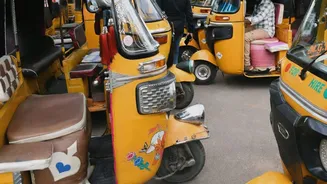
The Telangana government has approved a Rs 200 crore initiative named the 'Telangana Auto-Rickshaw Electric Conversion Scheme–2026'. The plan targets 18,766 petrol and diesel-powered auto-rickshaws currently operating in Hyderabad's Core Urban Region
Economy (CURE) area. The primary goals are to slash vehicular emissions in the capital and provide economic relief to auto drivers grappling with high fuel costs. This move is part of the state's broader 'Telangana Rising Vision-2047,' which aims for sustainable urban development and a net-zero carbon transport system in Hyderabad. The fleet targeted for this transition includes 11,254 diesel autos and 7,512 petrol ones.
How the Funding and Subsidy Work
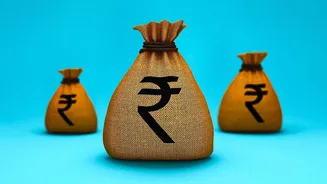
At the heart of the scheme is a significant financial incentive for auto owners. The government is offering a subsidy of up to Rs 1.5 lakh per vehicle. This financial aid is designed to be flexible, giving drivers two main options. They can either use the funds to retrofit their existing vehicle with an approved electric kit or use it as a fixed subsidy to scrap their old internal combustion engine (ICE) auto and purchase a brand new factory-built electric three-wheeler. To ensure the program's success and transparency, the Rs 200 crore budget will be sourced equally from the SC, ST, BC, and Minority Welfare departments, with each contributing Rs 50 crore. A three-tier monitoring system involving state and district-level committees will oversee its implementation.
The Choice: Retrofit or Replace?
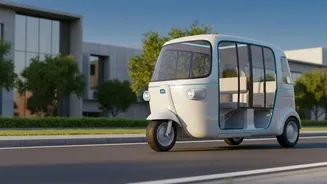
Auto drivers eligible for the scheme face a choice: modernise their current vehicle or buy a new one. The retrofitting option allows them to keep their existing chassis and convert the engine to electric using an officially approved AIS-123 kit. The government subsidy covers the cost of the kit, installation, and accessories up to Rs 1.5 lakh, or the actual cost if it's lower. This option includes choices between fixed and swappable battery systems, offering flexibility in how they recharge. Alternatively, a driver can surrender their old petrol or diesel auto and receive a flat Rs 1.5 lakh subsidy towards a new e-auto. This amount is deducted directly from the on-road price by empanelled dealers, simplifying the purchase process for the beneficiary.
A Boost for Drivers' Wallets
For the thousands of auto drivers in Hyderabad, this scheme is not just about going green—it is about significant cost savings. The switch from petrol or diesel to electric power is expected to drastically reduce daily operational expenses. Electricity as a fuel is substantially cheaper than petrol and diesel, and electric vehicles generally have fewer moving parts, leading to lower maintenance and service costs over the vehicle's lifespan. By transitioning to EVs, drivers can escape the volatility of fossil fuel prices, which directly impacts their daily earnings and financial stability. This economic relief is a key driver of the program, designed to improve the livelihoods of the drivers while modernising the city's transport fleet.
A Breath of Fresh Air for Hyderabad
Vehicular pollution is a major contributor to poor air quality in Hyderabad, contributing to a significant portion of the city's overall pollution load. Studies have have identified vehicle exhaust as a primary source of harmful pollutants like particulate matter (PM2.5) and sulphur dioxide (SO2) within the city limits. By targeting nearly 19,000 older, more polluting vehicles, this scheme represents a direct and impactful intervention. Converting them to zero-tailpipe-emission electric vehicles will help reduce the concentration of pollutants, contributing to better public health and a cleaner urban environment. This initiative is a critical step in the city’s long-term goal to mitigate its carbon footprint and tackle the growing challenge of urban air pollution.