






The Quest for a Desi Strawberry
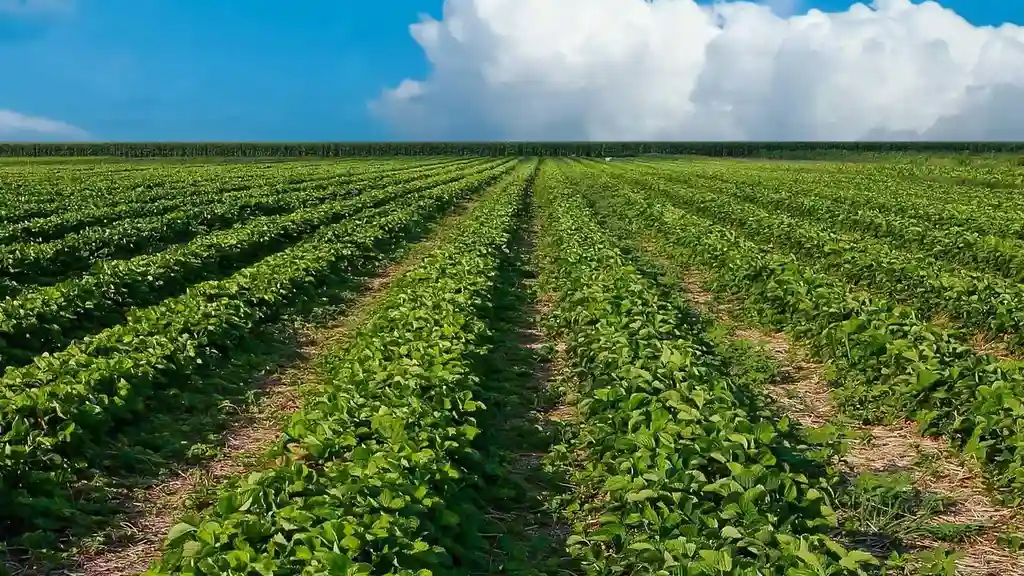
For decades, India's strawberry fields, particularly in the Mahabaleshwar region which accounts for about 85% of national production, have relied almost entirely on imported plant varieties from places like California and Europe. These foreign cultivars
are patented and designed for different climates, leaving Indian farmers vulnerable to supply chain disruptions and the mounting pressures of a warming planet. Recognizing this dependency, Indian agricultural scientists have embarked on an ambitious project: to develop the nation's first truly indigenous, climate-resilient strawberry. The goal is to create a plant that can not only survive but thrive in the face of Indian heatwaves and unpredictable weather, securing the future for thousands of farmers.
What Makes a Strawberry 'Climate-Ready'?
The term 'climate-ready' isn't just a buzzword. For strawberries, it refers to specific genetic traits that offer resilience against environmental stress. The ideal Indian strawberry would need to tolerate higher temperatures, as traditional varieties struggle when daytime heat consistently exceeds 26-27°C. It would also need better resistance to drought and diseases that flourish in humid conditions. Scientists achieve this through advanced breeding techniques. They cross-breed existing high-yield varieties with hardy, local plant relatives that may have, over generations, naturally adapted to regional conditions. The aim is to combine the large fruit size and long shelf life of popular commercial types with the ruggedness of local strains. This is a long and patient process, with researchers noting it could take 10 to 15 years to develop and stabilize a new cultivar.
The Indigenous Advantage
While India has successfully grown imported varieties like Chandler, Sweet Charlie, and Camarosa for years, these plants are not optimized for the country's diverse agro-climatic zones. An indigenous variety, developed from local genetic material, offers several advantages. It would inherently be better suited to local soil types and weather patterns. Furthermore, it would reduce the recurring cost for farmers who currently have to purchase new mother plants from foreign breeders. Projects in states like Meghalaya have already shown the benefits of adapting cultivation to local conditions, leading to significant socio-economic improvements for farmers. By focusing on indigenous development, India is not just aiming for a better strawberry, but a more sustainable and self-reliant horticultural ecosystem. This strategy empowers local farmers and research institutions, keeping the economic benefits within the country.
From the Lab to the Land
The journey from a promising cross-breed in a lab to a farmer's field is meticulous. At agricultural universities and research institutes, scientists are developing and standardizing the best practices for these future plants. In the meantime, they are already helping farmers by optimizing cultivation techniques for existing varieties. This includes creating scientific 'packages of practices' that detail everything from planting density and irrigation schedules to pest management. In places like Meghalaya, the government, in collaboration with research institutes, has been actively training farmers and introducing better-suited, albeit still exotic, varieties to boost productivity and standardize quality. These initiatives build the necessary infrastructure and knowledge base, preparing the ground for the eventual rollout of a true 'Made in India' strawberry.
Challenges Beyond the Hype
Developing a new fruit variety is a monumental task fraught with challenges. The headline's call to avoid hype is a reminder of the slow, deliberate nature of agricultural science. Beyond the decade-plus timeline for breeding, there are other hurdles. The new variety must prove itself not just in labs but in real-world farm conditions. It has to deliver yields and fruit quality that can compete with the established global giants. Farmers will need to be convinced to adopt the new plants, requiring extensive outreach and support. Market access, supply chains, and consumer acceptance are other critical factors. While the dream of an Indian strawberry superpower is compelling, the reality is one of incremental progress and long-term commitment. The project's success will depend as much on patient investment and policy support as it does on scientific breakthroughs.