



The Charm Offensive Is Over
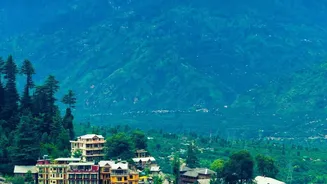
For generations of Indians, names like Shimla, Manali, Mussoorie, and Nainital have been synonymous with sanctuary. They were the settings for summer holidays and romantic getaways, offering a cool respite from the heat of the plains. Today, that tranquility
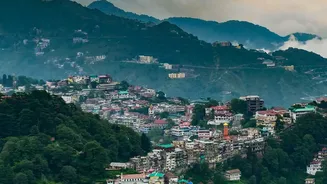
is increasingly hard to find. Recent reports paint a grim picture: the 'Queen of Hills' and her counterparts are choking under the pressure of their own popularity. Instead of peaceful promenades, visitors are greeted with bumper-to-bumper traffic that can stretch for kilometres, turning a short drive into a multi-hour ordeal. The once-quaint Mall Roads are now seas of people, making a leisurely stroll nearly impossible. What was once an escape from urban chaos now often feels like an extension of it. The problem is so pronounced that many long-time visitors and locals feel these destinations have become overrated, their original charm buried under rampant commercialization and overwhelming crowds.
More Than Just Traffic Jams
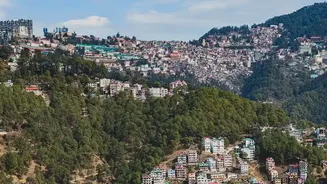
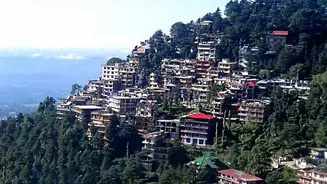
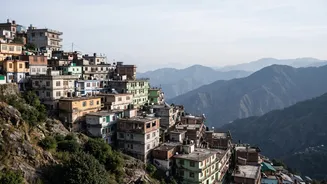
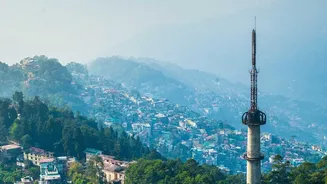
While traffic is the most visible symptom, the crisis runs much deeper, straining the very ecosystems that make these places special. Unregulated construction is a major concern, with forests and green slopes giving way to a concrete jungle of hotels and resorts, often flouting building norms. This urban sprawl puts immense pressure on infrastructure that was designed for a fraction of the current population. Water shortages are now common during peak tourist seasons, as local supply systems, reliant on natural springs and rivers, are unable to cope with the demand from thousands of hotels and restaurants. Waste management is another critical issue. Many hill towns lack the capacity to process the tonnes of garbage, particularly single-use plastics, left behind by tourists, leading to polluted waterways and overflowing landfills that mar the landscape. This combination of factors contributes to soil erosion, habitat destruction, and a visible decline in the natural beauty that first drew people here.
What Is Driving the Surge?
Several factors are fueling this unsustainable influx. Improved road connectivity has made these destinations more accessible to a wider population. The post-pandemic era saw a boom in domestic 'revenge tourism,' as people eager to travel flocked to familiar, driveable locations. But the infrastructure in these towns has not kept pace with the explosive growth in visitor numbers. Social media also plays a significant role, creating viral hotspots and concentrating tourist traffic into a few heavily promoted locations. As a result, millions of people are chasing the same experience in the same few places, creating a cycle of overcrowding and environmental strain. The economic benefits of tourism are undeniable, contributing significantly to state GDPs, but this growth has come at a steep environmental and social cost. This has led to growing friction between visitors and residents, who bear the brunt of the strained resources and disruptions to daily life.
Is a Course Correction Possible?
Acknowledging the crisis, experts and authorities are exploring several solutions. The concept of 'carrying capacity'—limiting the number of visitors and vehicles allowed into a destination at a given time—is gaining traction. Some areas have already experimented with mandatory online registration to track tourist numbers in real time. There is also a push to promote lesser-known, offbeat destinations to disperse the tourist load more evenly. This requires investment in infrastructure and connectivity for these alternate locations. At a grassroots level, a shift towards sustainable and responsible tourism is being advocated. This includes promoting eco-friendly practices like waste reduction, supporting community-based tourism through homestays that directly benefit local families, and educating travelers on how to minimize their environmental footprint. The goal is to move from a model of high-volume, low-value tourism to one that prioritizes preservation and authentic experiences.