
The City as a Grand Art Installation
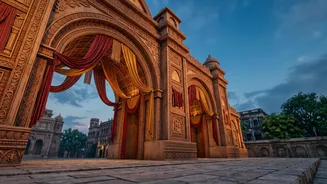
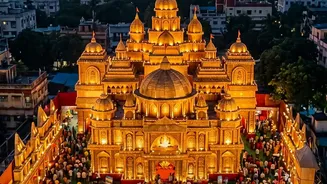
The heart of Kolkata's Durga Puja lies in its thousands of 'pandals'—temporary pavilions that house the idol of Goddess Durga. But calling them mere pavilions is an understatement. Each year, neighbourhoods and community clubs compete to create breathtaking
thematic installations. These can range from replicas of world monuments and ancient temples to abstract concepts highlighting social issues or celebrating Bengal's heritage. Artisans work for months sculpting clay idols, with some of the most famous workshops located in the Kumartuli district. The entire city becomes an open-air exhibition, a spectacle of public art so significant that UNESCO recognised it as an Intangible Cultural Heritage of Humanity in 2021.
Mastering the Art of Pandal Hopping
Pandal hopping is the main activity, and it requires a strategy. Trying to see everything is a common rookie mistake. The best approach is to divide the city into zones: North, South, Central, and Salt Lake/New Town. North Kolkata is known for its traditional 'Bonedi Bari' pujas in old aristocratic homes and iconic community pandals like Bagbazar Sarbojanin. South Kolkata is famous for its big-budget, award-winning theme pujas such as Ekdalia Evergreen and Suruchi Sangha. To beat the crowds, plan your visits for early mornings (around 8 AM) or very late at night (after 1 AM). The Kolkata Metro, which extends its services during the festival, is the most efficient way to travel between zones, as many roads are closed to traffic.
A Culinary Pilgrimage for Food Lovers
Durga Puja is as much a feast for the stomach as it is for the eyes. The streets transform into a massive food court. You cannot leave without trying Kolkata's legendary street food. Start with phuchka, the local version of pani puri, and move on to kathi rolls, a paratha wrapped around a filling of your choice. Other must-try items include Mughlai paratha, ghugni (spiced white pea curry), and various 'chops' and 'cutlets'. Beyond the stalls, community pandals often serve 'bhog'—a traditional lunch of khichuri, labra (a mixed vegetable dish), and other delicacies offered to the goddess. For a taste of Kolkata's iconic biryani, head to restaurants like Arsalan. And of course, no meal is complete without Bengali sweets like sandesh and mishti doi.
Beyond the Pandals: Immersive Cultural Experiences
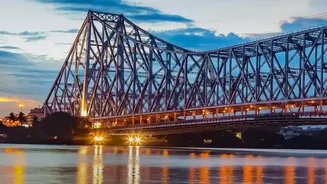
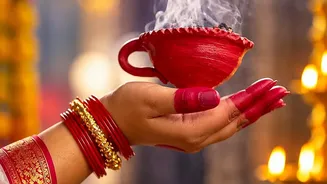
While the pandals are the main draw, the festival's spirit is found everywhere. Listen for the rhythmic beat of the 'dhaak' (a traditional drum), an essential sound of Puja that fills the air. Witness the 'Dhunuchi Naach', a ritualistic dance with earthen incense burners, often performed in the evenings. On Ashtami (the eighth day), many pujas conduct 'Kumari Puja', where a young girl is worshipped as a living embodiment of the goddess. The final day, Dashami, is an emotional affair. Married women participate in 'Sindoor Khela', smearing vermilion on each other, before the idols are taken for immersion in the Hooghly River, bringing the festival to a close with the promise of returning next year.
Practical Tips for First-Timers
To make the most of your trip, a little planning goes a long way. Wear comfortable shoes, as you will be walking for kilometres. Cotton clothing is ideal for the humid October weather. Carry a power bank for your phone, cash for street food stalls, and a water bottle. Be respectful when taking photographs, especially of rituals or people, and always ask for permission. Most major pandals open to the public a few days before the official start of the festival (Shashthi), and visiting on these earlier days can help you avoid the biggest crowds. Booking accommodation near a Metro station can save you significant travel time.