


The Golden Temple
The spiritual anchor of the city, the Harmandir Sahib, or Golden Temple, is an awe-inspiring sight. Its golden facade shimmers in the middle of a sacred pool, the Amrit Sarovar. Open to everyone, regardless of faith, the complex exudes a profound sense
of peace and equality. Visitors are required to cover their heads and remove their shoes as a sign of respect. The experience is both a visual spectacle and a moment of deep tranquility, making it the undeniable heart of any Amritsar visit.
Langar at the Golden Temple
Cuisine in Amritsar is often an act of service, and nowhere is this more apparent than at the Golden Temple's massive community kitchen, known as langar. Every day, tens of thousands of people are served a simple, wholesome vegetarian meal, free of charge. The operation is run entirely by volunteers, from chopping vegetables to washing dishes. Participating in this communal meal, sitting on the floor alongside people from all walks of life, is a powerful cultural experience that embodies the Sikh principles of selfless service and equality.
Jallianwala Bagh
A short walk from the Golden Temple, Jallianwala Bagh is a public garden that holds a tragic place in India's history. It is a memorial to the hundreds of unarmed civilians killed during a peaceful gathering in 1919. The preserved bullet marks on the walls and the Martyrs' Well, where many jumped to escape the gunfire, are somber and powerful reminders of the struggle for independence. A visit here provides essential historical context to the city's identity.
The Partition Museum
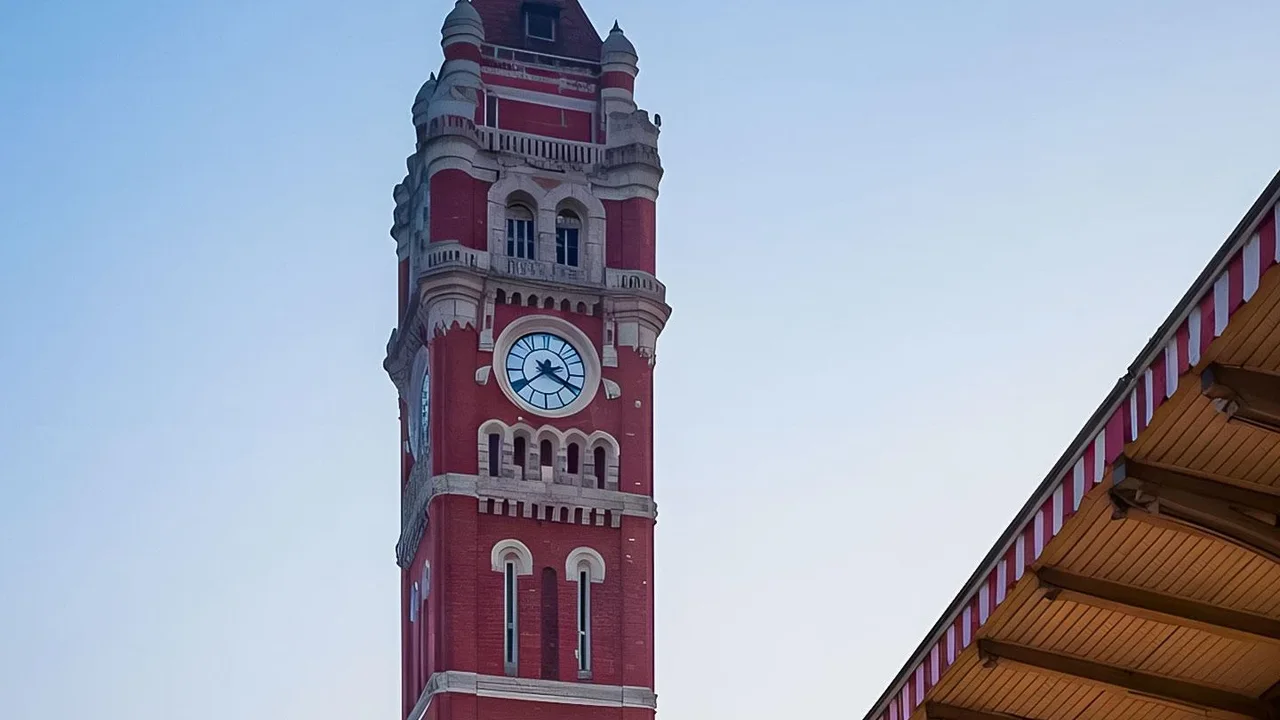
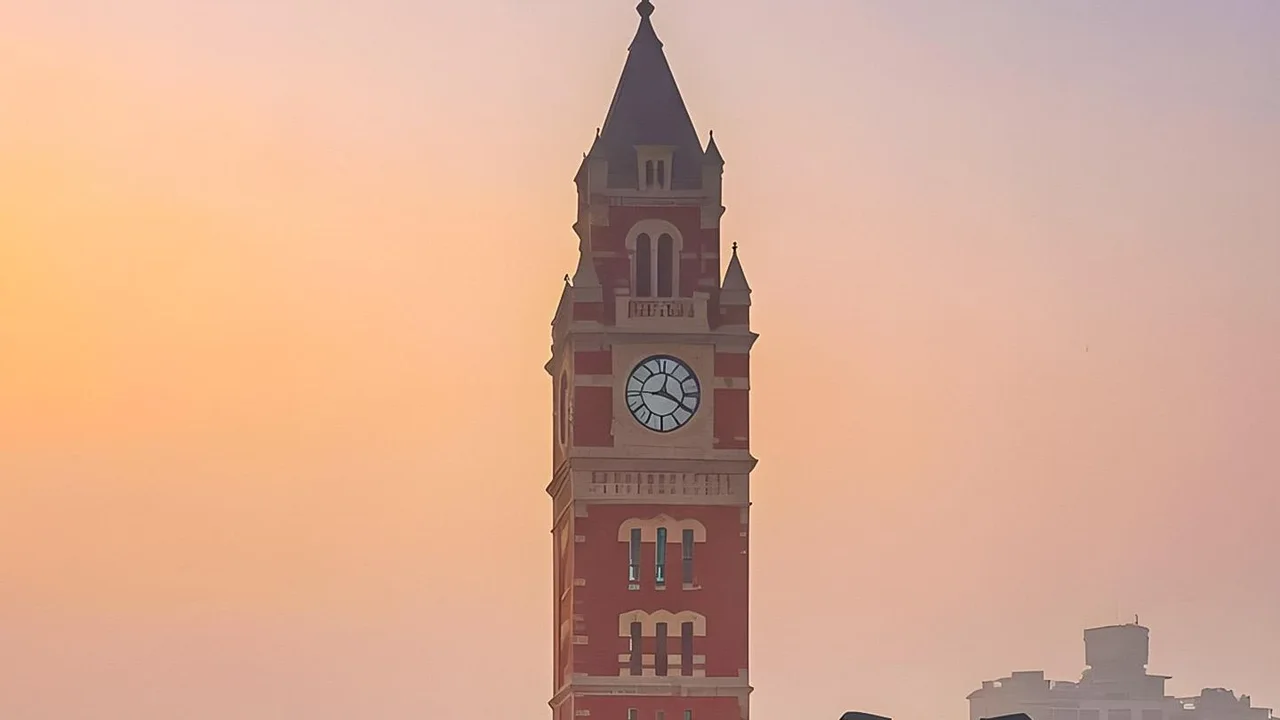
Housed in the historic Town Hall, the Partition Museum is the world's first museum dedicated to the 1947 Partition of India. Through a collection of personal artifacts, letters, oral histories, and art, it tells the human stories behind one of the largest migrations in history. The exhibits trace the events leading to Partition and its aftermath, focusing on the resilience of those affected. It is an emotional and educational experience that offers deep insight into the region's recent past.
The Wagah Border Ceremony
Located about 30 kilometers from the city, the Wagah-Attari border crossing is the site of a daily military ceremony that is pure spectacle. Every evening, soldiers from the Indian Border Security Force and the Pakistan Rangers engage in a theatrical 'Beating Retreat' ceremony to lower their respective flags. The atmosphere is electric, filled with patriotic music and enthusiastic crowds. It is a display of synchronized marching and national pride that is unlike any other.
The Amritsari Kulcha Quest
You cannot talk about Amritsari cuisine without mentioning its most famous export: the Amritsari Kulcha. This crispy, flaky bread, stuffed with spiced potatoes or paneer and cooked in a tandoor, is the city's signature breakfast. Served with a side of chole (spicy chickpeas) and tangy chutneys, it's a dish worth traveling for. Famous spots like Kulcha Land, Bharawan Da Dhaba, and All India Famous Amritsari Kulcha are institutions, each offering a slightly different but equally delicious take on this local icon.
Exploring Historic Dhabas
Amritsar’s culinary soul resides in its dhabas, traditional roadside eateries that serve hearty, authentic Punjabi food. Kesar Da Dhaba, tucked away in the city's narrow lanes for over a century, is legendary for its slow-cooked Dal Makhani and other vegetarian dishes simmered in pure ghee. Other iconic spots include Bharawan Da Dhaba near the Town Hall and Brothers' Dhaba, which offer a full menu of Punjabi classics that have been perfected over generations.
Hall Bazaar and Local Markets
For a dose of local culture and shopping, head to Hall Bazaar, one of the oldest markets in the city. It's a bustling hub where you can find everything from traditional Punjabi juttis (footwear) and colorful Phulkari-embroidered textiles to handicrafts and souvenirs. The market is also a fantastic place to sample street food, with vendors selling everything from fried snacks to sweets. Exploring its lively lanes offers a vibrant slice of everyday Amritsari life.
Gobindgarh Fort
Once a mighty fortress of Maharaja Ranjit Singh, Gobindgarh Fort has been transformed into a living museum of Punjab's history. Spread over 43 acres, the fort showcases the region's martial past through museums, live performances, and 7D shows depicting the Maharaja's life. It also holds a replica of the famous Kohinoor diamond, which was once stored here. A visit provides a fascinating look into the glory of the Sikh Empire.
A Tall Glass of Lassi
A trip to Amritsar is incomplete without indulging in a tall glass of its famous lassi. This creamy, frothy yogurt drink is a meal in itself, often served with a thick layer of malai (cream) on top. Beloved local spots like Ahuja Milk Bhandar and Gian di Lassi have been serving this refreshing concoction for decades. It's the perfect way to cool down after a day of sightseeing and a delicious taste of Punjabi dairy richness.