







The Challenge of Silence
Electric motors are nearly silent, a stark contrast to the rumbles, whines, and roars of internal combustion engines (ICE). While this creates a quiet and refined cabin, it also removes a key layer of sensory information for the driver. Experienced drivers
use engine noise and vibrations to gauge speed, RPM, and how hard the car is working. Without this feedback, the connection between driver and machine can feel distant and less engaging. This has led automakers like Hyundai to ask a fundamental question: How do you make a silent car that’s still exciting to drive?
More Than Just Fake Noise
Hyundai’s solution is far more sophisticated than simply playing an engine recording through the speakers. The company's high-performance N division is developing a suite of technologies designed to simulate the complete sensory experience of a performance car. This includes systems like N Active Sound+ and N e-Shift, which work together to reintroduce not just sound, but also the physical sensations of driving a gas-powered vehicle. According to Manfred Harrer, Hyundai's global R&D boss, the goal is to make the experience more realistic and engaging, with plans to add simulated idling, exhaust backfires, and even physical vibrations in future models.
Feeling the Shift
A key part of this effort is the N e-Shift system. Since most EVs have a single-speed transmission, they lack the distinct feeling of changing gears. N e-Shift simulates an eight-speed dual-clutch transmission (DCT) by controlling motor torque to create a jolt between simulated shifts, mimicking the feel of a traditional performance car. This system, which can be activated with steering-wheel-mounted paddles, is designed to restore a sense of mechanical connection that many driving enthusiasts miss in EVs. While some have called the feature a gimmick, Hyundai reports that customer feedback has been overwhelmingly positive.
Crafting the Perfect Soundtrack
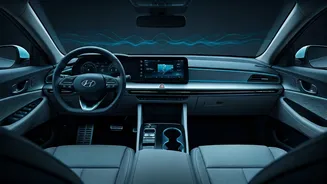
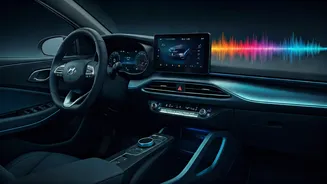
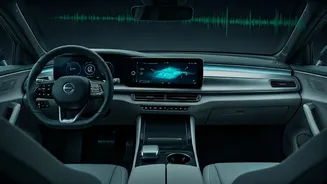
Working in tandem with N e-Shift is N Active Sound+, an advanced audio system that creates a dynamic, three-dimensional soundscape. Using ten speakers—eight inside the car and two outside—the system generates sound based on speed, torque, and throttle position. It offers several modes, including 'Ignition', which replicates the sound of Hyundai’s existing N performance cars, and futuristic options like 'Supersonic', which is inspired by a fighter jet. The sounds are linked to the N e-Shift system, providing acoustic cues for gear changes and even simulating the pops and crackles of a performance exhaust.
From Concept to the Road
These technologies are not just theoretical; they are already featured in Hyundai’s first high-performance EV, the IONIQ 5 N. This model serves as a showcase for what Hyundai calls the “three pillars of N performance,” combining racetrack capability with the fun of an everyday sportscar. The features have been so successful that other automakers, including Porsche and BMW, are developing similar systems. Hyundai considers itself a leader in this area and plans to enhance the technology for its next generation of EVs, which will be built on a new Integrated Modular Architecture (IMA) platform.