






Meet the Real Avatars
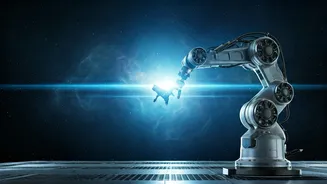
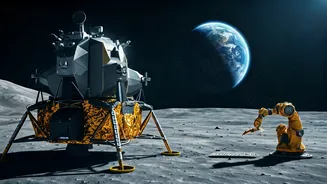
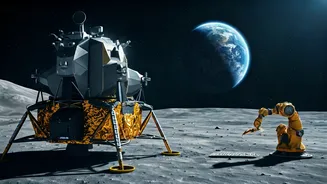
NASA's avatars are not conscious beings in robotic bodies. They are highly advanced, remotely operated humanoid robots. Think of them as a physical extension of a human operator, who might be safely in orbit or even back on Earth. This field is known
as telerobotics. Through a sophisticated setup involving VR-like controls and haptic feedback, an astronaut can see what the robot sees and feel what it touches, allowing them to perform complex tasks from a distance. One of the leading examples of this technology is Apollo, a humanoid robot developed by Austin-based company Apptronik in partnership with NASA. Standing at about 5 feet 8 inches and capable of lifting over 20 kilograms, Apollo is designed to work in environments built for people, using the same tools an astronaut would.
A Tool, Not a Replacement
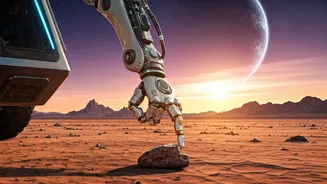
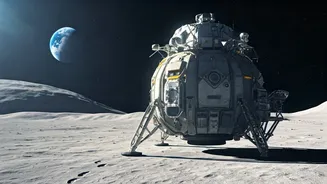
The primary purpose of these robotic avatars is not to replace humans in space, but to augment them. The goal is to offload tasks that are dangerous, dull, or repetitive. Imagine an astronaut on a Mars-orbiting station directing a robot on the planet’s surface to set up habitats, collect samples, or perform critical repairs on equipment, all without the life-threatening risks of exposure to the Martian environment. This approach significantly enhances mission safety and efficiency. NASA has been exploring this concept for years, with earlier projects like Robonaut 2 on the International Space Station (ISS) paving the way. These efforts proved that dexterous, human-like robots could perform tasks previously reserved for astronauts.
Human Intelligence, Robotic Resilience
The key difference between NASA's avatars and their sci-fi counterparts lies in where the intelligence resides. Unlike autonomous movie robots, the decision-making, problem-solving, and fine motor skills come directly from the human operator in real-time. The robot is a vessel for human expertise, combining a person’s unparalleled cognitive abilities with a machine’s resilience to harsh conditions like extreme temperatures and radiation. This human-in-the-loop system is a deliberate choice. While artificial intelligence is advancing and will play a role in automating some functions, the core concept remains centered on extending human presence. It's about putting a human mind in a place where a human body cannot safely or easily go.
The Future On Earth and In Space
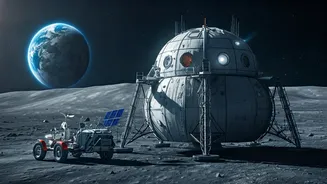
The collaboration between NASA and commercial partners like Apptronik is designed to accelerate this technology for use both in space and on Earth. NASA gains access to cutting-edge commercial innovation, while the companies can develop robots with wide-ranging applications. The same Apollo robot being tested for lunar missions could one day work in warehouses, assist in manufacturing plants, or even provide support in disaster relief scenarios and patient care on Earth. This dual-use strategy makes the investment incredibly valuable. As these systems become more refined, they will become indispensable tools for building and maintaining infrastructure on the Moon and Mars, acting as the advance party that prepares the way for human explorers.