


The Powerhouse in Your Pantry
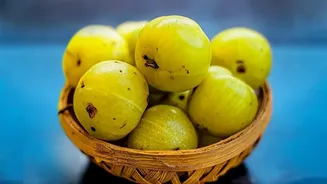
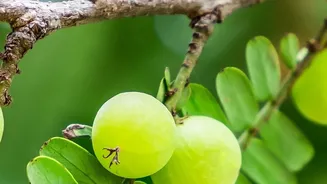
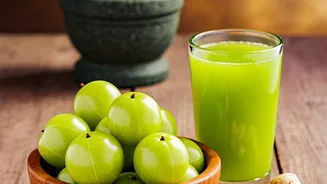
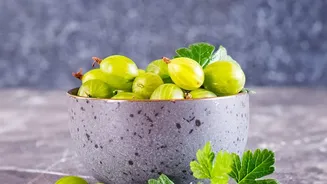
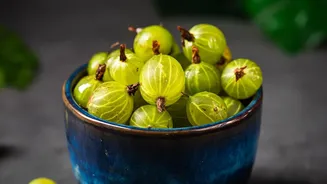
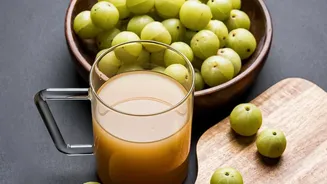
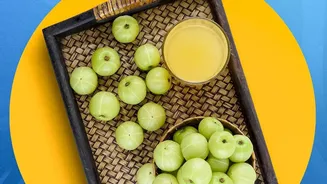
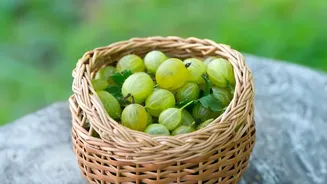
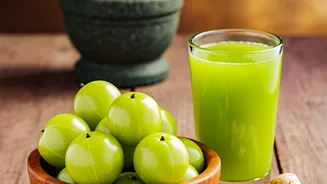
Known as the Indian gooseberry, amla is a cornerstone of traditional Indian wellness for good reason. It is exceptionally rich in Vitamin C and antioxidants, celebrated for boosting immunity, aiding digestion, and promoting healthy skin and hair. While
many consume it raw or juiced for its health benefits, its intense sour and bitter notes can be challenging. However, cooking amla doesn't significantly diminish its nutritional value, opening the door to a world of culinary preparations that make this fruit not just healthy, but incredibly palatable. From the spicy kick of a pickle to the sweet comfort of a murabba, amla is a versatile ingredient waiting to be explored in every Indian kitchen.
A Tangy Twist: Amla Chutney
One of the quickest and most vibrant ways to use amla is by turning it into a chutney. This preparation captures the fruit's signature tartness and balances it with other ingredients. Typically, fresh amla is blended with coriander, mint, green chillies, ginger, and a hint of jaggery or sugar to counteract the sourness. The result is a fresh, tangy, and spicy condiment that pairs wonderfully with everything from parathas and dosas to everyday snacks. Unlike preserves meant for long-term storage, amla chutney is often made fresh and can be kept in the refrigerator for about a week, offering an instant burst of flavour and nutrition to any meal.
A Spicy Legacy: Amla Pickle
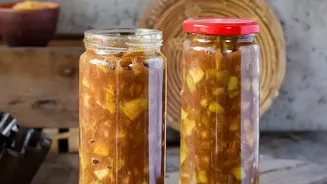
Amla achar, or pickle, is a time-honoured tradition for preserving the gooseberry harvest. In this preparation, amla segments are typically steamed or boiled until tender, then mixed with a robust blend of spices and preserved in oil. Common spices include mustard seeds, fenugreek seeds, red chilli powder, and turmeric, which are often toasted to release their aromatic oils. The oil acts as a preservative, allowing the pickle to mature over several days as the amla absorbs the complex, spicy flavours. The resulting pickle is a potent, flavourful condiment that serves as a perfect accompaniment to a simple meal of dal and rice, adding a much-needed kick.
A Sweet Preserve: Amla Murabba
Perhaps the most decadent of its forms, amla murabba transforms the fruit into a sweet, candy-like preserve. Whole or segmented amlas are slowly cooked in a sugar syrup, sometimes infused with spices like cardamom, saffron, or cinnamon, until they become soft and translucent. This process tames the fruit's sourness completely, resulting in a sweet, tender morsel steeped in fragrant syrup. Traditionally regarded as a health tonic, murabba is often consumed during winter to boost immunity and aid digestion. While it can be enjoyed as a simple dessert, it also serves as a sweet and healthy treat for children and adults alike.
Your Kitchen, Your Creation
Bringing these amla preparations into your home is easier than it might seem. Many recipes for instant chutney, pickle, and murabba are readily available and don't require the lengthy, traditional processes. Whether you prefer the fresh zing of a chutney, the fiery punch of a pickle, or the sweet indulgence of murabba, there is an amla recipe to suit your taste. Experimenting with these forms not only adds variety to your diet but also connects you to a rich culinary heritage, turning a simple, healthy fruit into something truly special.