




The Problem with Pulling Too Tight
A hairstyle shouldn't hurt. That tight, pulling sensation is more than just a momentary discomfort; it's a warning sign. When hairstyles like buns, braids, or ponytails are too constricting, they place constant strain on your hair follicles. This can
lead to tension headaches, hair breakage, and even a type of gradual hair loss called traction alopecia. Traction alopecia occurs when the persistent pulling damages the follicles, causing hair to thin, particularly around the hairline. Early signs can include redness or small bumps on the scalp. The goal of a pencil bun isn't to immobilize your hair with force, but to create a structurally sound knot that holds itself in place with minimal tension.
Preparation Is the First Step
The secret to a successful pencil bun begins before you even start twisting. Hair that is freshly washed and silky can be too slippery to hold a style like this. The natural oils in hair that's a day or two post-wash provide a much better texture and grip, helping the bun stay in place without needing to be pulled excessively tight. If your hair is very fine or clean, a light mist of texturizing spray or a small amount of dry shampoo at the roots can add the grit you need for a secure hold. Avoid heavy products that will weigh your hair down, and make sure your hair is completely dry before styling to prevent stretching and breakage.
Mastering the Gentle Twist Technique
The way you gather and twist your hair is crucial. Start by collecting your hair into a ponytail at the desired height—low at the nape, or higher up on your head. Don't use a hair tie. Instead, hold the base loosely with one hand. With your other hand, begin twisting the length of the ponytail. The key here is to create a firm, rope-like twist, but not so tight that it starts coiling on itself. A loose twist will fall apart, but an overly tight one creates tension from the very beginning. Once you have a consistent twist, begin wrapping it around the base to form the bun. Keep the wrap neat but not constricting, laying each new coil around the previous one.
The Art of Securing the Pencil
This is where the magic happens. Once your hair is coiled into a bun, hold it in place with one hand. With the other, take your pencil (or a chopstick or hair stick, which are often smoother). The trick is not to just stab it through the middle. Instead, you're going to weave it in. Start on one edge of the bun. Slide the pencil point down, catching a small section of scalp hair just outside the bun's edge. Then, push the pencil horizontally through the center of the bun, and finally, catch another small section of scalp hair on the opposite side as you push it through. This technique uses the scalp hair as an anchor, creating a secure hold without pulling on the entire base of the bun.
Adjusting for Comfort
If you've inserted the pencil and the style still feels too tight, don't just endure it. Small adjustments can make a world of difference. Gently use your fingertips to pull the hair at the scalp around your hairline, loosening the base slightly. You can also gently tug on the bun itself, pulling it a fraction of an inch away from your head to release pressure. If a specific spot feels painful, it likely means the pencil has caught a small section of hair too tightly. Try re-inserting the pencil, taking care to weave it through a different path. A properly secured pencil bun should feel stable and secure, but you should barely feel it's there.
Smarter Tools for a Kinder Style
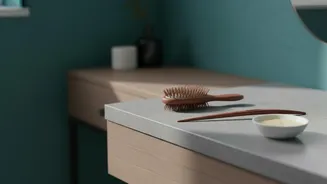
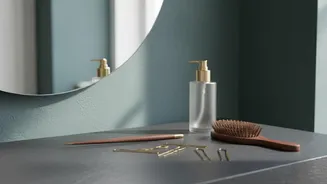
While a pencil is a great impromptu tool, dedicated hair accessories are often designed to be gentler and more effective. Hair sticks and hair forks are fantastic alternatives. Hair sticks are often smoother and tapered, making them less likely to snag hair. Hair forks, which have two or more prongs, distribute the holding tension over a wider area, making them exceptionally secure and comfortable, especially for those with thick or heavy hair. Spiral pins, also known as spin pins, are another excellent option. You can twist these into the bun, where they anchor the style from within without any pulling at the edges. Experimenting with these tools can help you find the perfect balance of security and comfort.