


The Neutral Canvas: What is Sago?
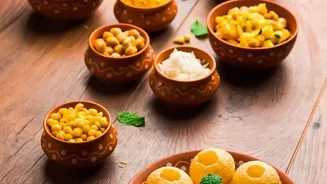
The star of the dish, sabudana (also known as sago or tapioca pearls), is a processed starch extracted from the roots of the cassava plant. On its own, it has a neutral flavour and is almost entirely composed of carbohydrates, containing negligible protein
or fat. This makes it an excellent vehicle for other flavours. When soaked and cooked correctly, these pearls transform from hard, white beads into soft, chewy, and translucent spheres. Their primary role in dishes like khichdi and vada is to provide a unique, pillowy texture and a quick source of energy. This high-carbohydrate, easily digestible nature is why sabudana is a staple during religious fasts (vrat or upwas) in many parts of India, providing sustained energy when grains are avoided.
The Humble Potato: More Than Just a Filler
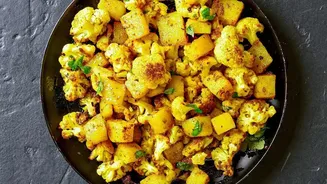
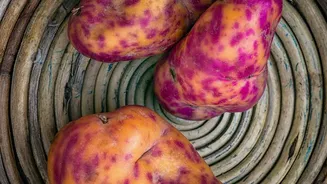
Potatoes are often seen as a simple bulking agent, but their role in sago-based dishes is far more technical. Firstly, they provide essential substance and a soft, yielding texture that contrasts beautifully with the chewiness of the sago pearls. This makes the dish more satisfying and filling. Secondly, the starch from the potatoes helps in a surprising way: it can absorb excess moisture during the cooking process. This is crucial for achieving the desired fluffy, non-sticky texture in a perfect Sabudana Khichdi. Without the potato, the dish would feel less substantial and might lack the comforting, soft counterpoint to the other ingredients.
The Crunchy Powerhouse: The Role of Peanuts
Peanuts are arguably the most critical supporting actor in this culinary play. They contribute in three significant ways. The most obvious is texture; roasted, coarsely ground peanuts introduce a delightful crunch that breaks the monotony of the soft sago and potatoes. The second is flavour, adding a deep, nutty taste that balances the otherwise mild components. But their most important function is scientific. The oil from roasted peanuts coats the starchy sabudana pearls, preventing them from clumping together and turning into a sticky, gooey mass. Furthermore, peanuts add much-needed protein and healthy fats to a dish that is otherwise almost purely carbohydrate-based, making the meal more nutritionally balanced.
The Perfect Trifecta: A Symphony of Texture and Nutrition
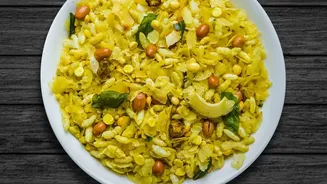
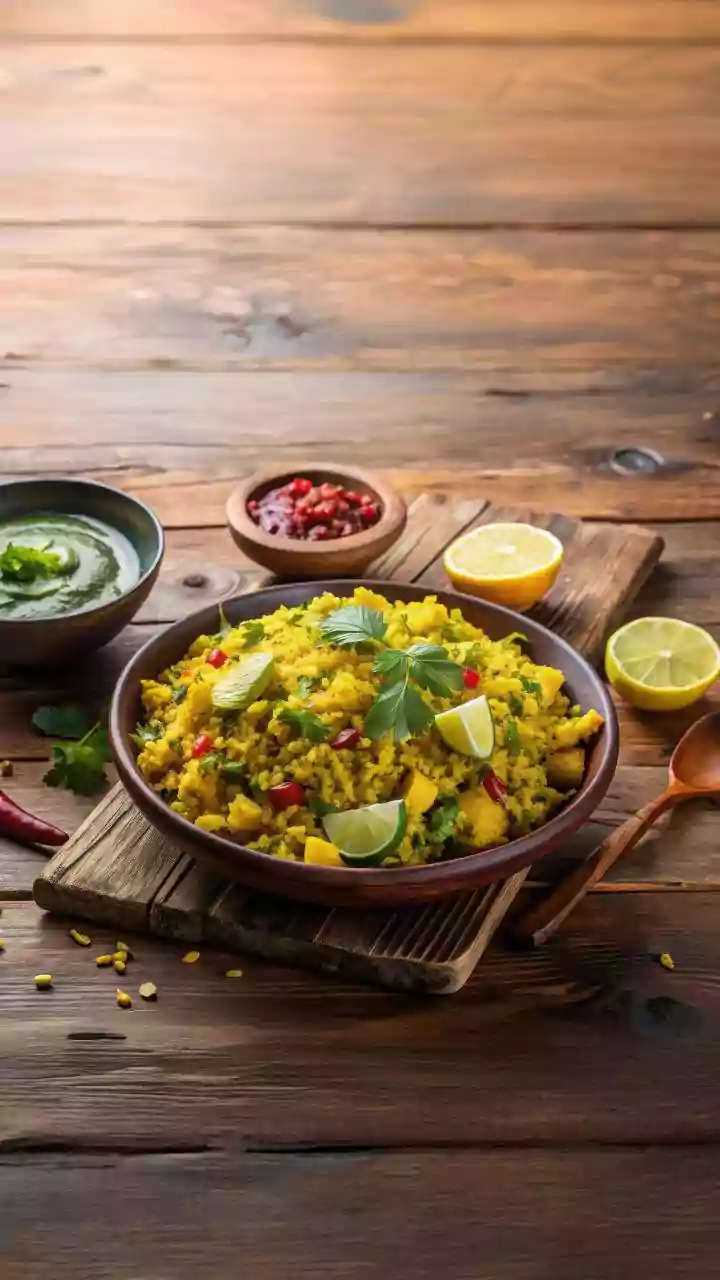
When you combine these three ingredients, you create a dish that is perfectly balanced. You have the chewy sago, the soft potato, and the crunchy peanut, creating a multi-layered textural experience in every bite. From a nutritional standpoint, the combination works wonders. The carbohydrates from sago and potato provide quick and lasting energy, while the protein and fats from peanuts offer satiety, keeping you full for longer. This is precisely why Sabudana Khichdi is such an effective food for fasting days—it delivers energy, fullness, and a balanced macronutrient profile in a single, grain-free meal. It’s a thoughtful combination designed for both sensory pleasure and practical sustenance.
The Finishing Touches That Elevate the Dish
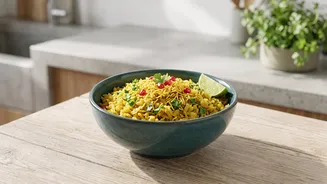
While sago, potatoes, and peanuts form the foundation, other ingredients complete the experience. A tempering of cumin seeds, curry leaves, and green chillies provides an aromatic and spicy base. A little sugar is often added to balance the flavours, and a final squeeze of lemon juice introduces a bright acidity that cuts through the richness of the starch and peanuts, lifting the entire dish. These final touches prove that while the core trio is essential, it’s the sum of all parts that makes these sago-based breakfasts a timeless classic.