





A Survivor's Story
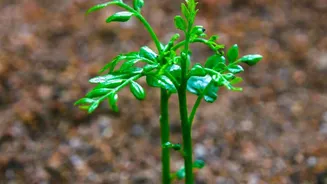
Known locally as khesari or tivda, the grass pea (Lathyrus sativus) is one of the oldest domesticated crops, with a history stretching back thousands of years. It earned a reputation as a 'survival crop' for one simple reason: it refuses to die. Where
other crops fail due to drought, floods, or poor soil, the grass pea often thrives, providing a crucial source of food when nothing else is left. This hardiness makes it a plant of immense interest for farmers facing unpredictable weather patterns. As a legume, it also naturally fixes nitrogen in the soil, reducing the need for synthetic fertilisers and improving soil health for subsequent crops.
The Power of Resilience
As climate change intensifies, making weather patterns more extreme and water scarcer, the need for climate-resilient crops has never been more urgent. Indian agriculture, with over half of its cultivated area being rainfed, is particularly vulnerable to these shifts. The grass pea’s ability to grow with minimal rainfall and tolerate both waterlogging and marginal soils makes it an almost perfect candidate for these challenging environments. Its deep root system allows it to access water when other plants cannot, ensuring a more reliable yield even in tough years. This resilience is not just an agricultural benefit; it's a foundation for food security in regions prone to environmental stress.
A Complicated History
Despite its strengths, the grass pea has a controversial past that led to its cultivation being restricted in India in 1961. The issue lies with a naturally occurring neurotoxin called ODAP. During times of famine, when people were forced to rely on grass pea as their sole or primary food source for extended periods (over three months), it led to a debilitating neurological condition called neurolathyrism, which causes irreversible paralysis of the lower limbs. This risk, linked to overconsumption, created a stigma that overshadowed the crop’s life-saving potential. For decades, this health concern relegated the grass pea to the status of an underutilised, 'orphan' crop.
From Problem to Promise
Today, science is rewriting the grass pea's story. Researchers at the Indian Council of Agricultural Research (ICAR) and other institutions have been working for years to develop new varieties with significantly lower levels of the ODAP toxin. Through careful breeding and selection, they have created varieties like 'Ratan' and 'Prateek' that contain toxin levels well below the previously established danger threshold. These improved varieties retain the crop's remarkable resilience and high protein content—which can be as high as 34%—while drastically reducing the health risks associated with it. This breakthrough has paved the way for the cautious reintroduction of the crop, turning a historical problem into a modern promise.
A Future-Ready Crop for India
The revival of the grass pea could be a game-changer for Indian agriculture and nutrition. With low-toxin varieties now available, farmers have a viable option for crop diversification, especially on fallow lands after the rice harvest. This not only increases food production but also provides a protein-rich food source for household consumption and a valuable feed for livestock. In states like Odisha and Bihar, pilot projects are already demonstrating the crop’s potential to boost farmer incomes and improve nutritional security in vulnerable communities. As more people turn to plant-based diets, the demand for sustainable protein sources is growing, giving this ancient legume a new and important role to play.