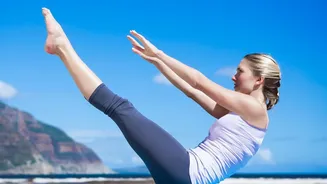


The Foundation: Pilates for Deep Core Stability
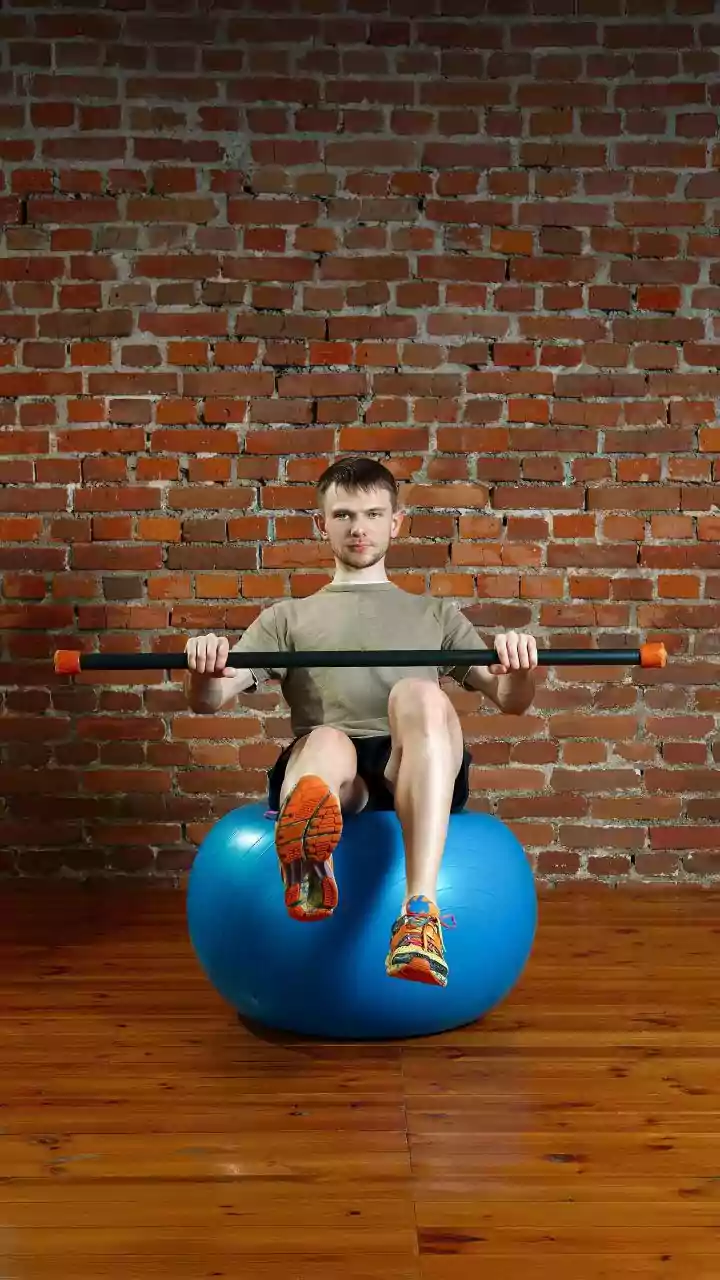
When you think of core training, you might picture the visible 'six-pack' muscles, known as the rectus abdominis. Pilates, however, goes much deeper. It focuses on strengthening the entire network of muscles that wrap around your torso, including the transverse
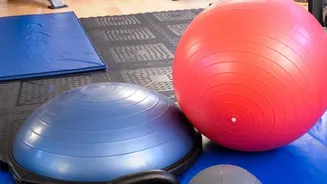
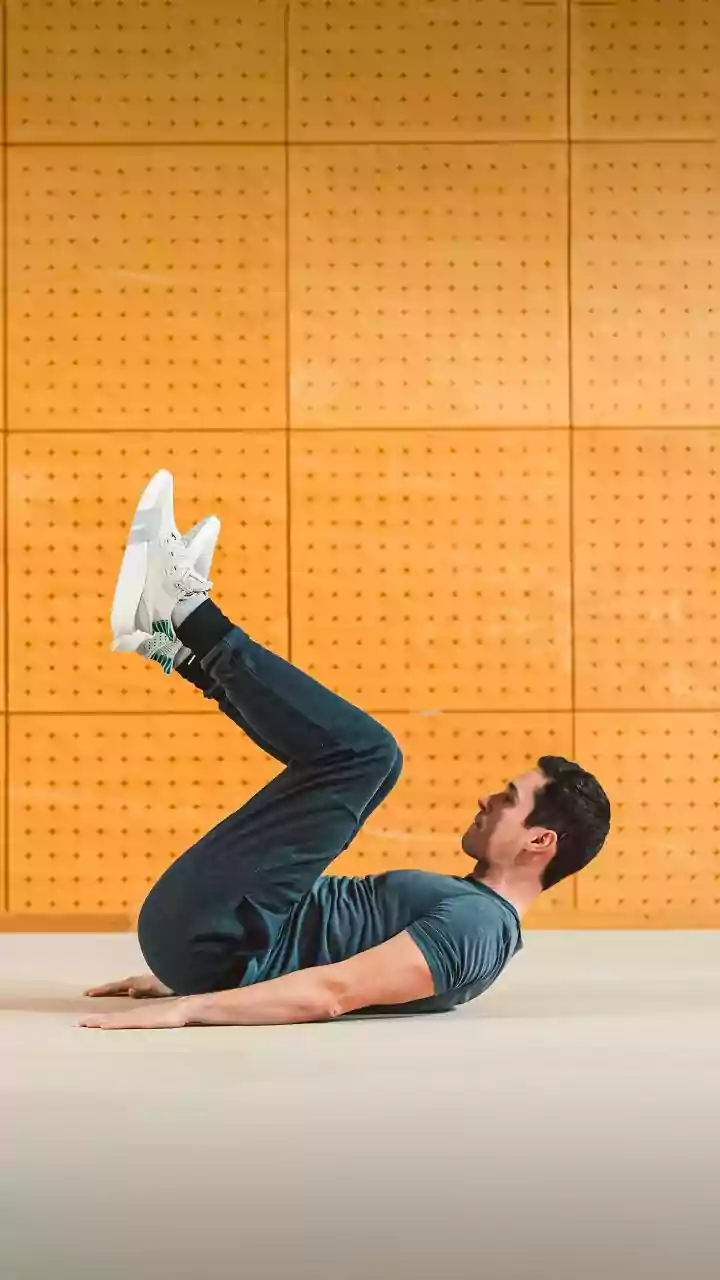
abdominis, obliques, pelvic floor, and lower back muscles. These are your body's primary stabilisers. Pilates uses slow, controlled movements and specific breathing techniques to activate and strengthen these deep muscles. This creates a solid, stable foundation for all movement, improving posture, enhancing balance, and reducing the risk of lower back pain and injury. Think of it as building the strong, internal framework that supports everything else your body does.
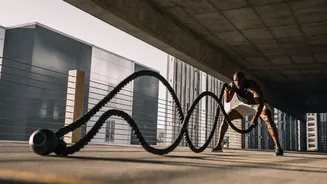
The Powerhouse: High-Intensity Circuits for Strength
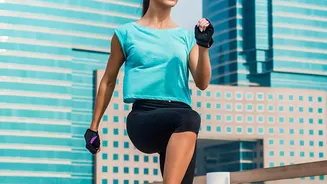
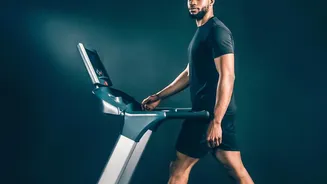
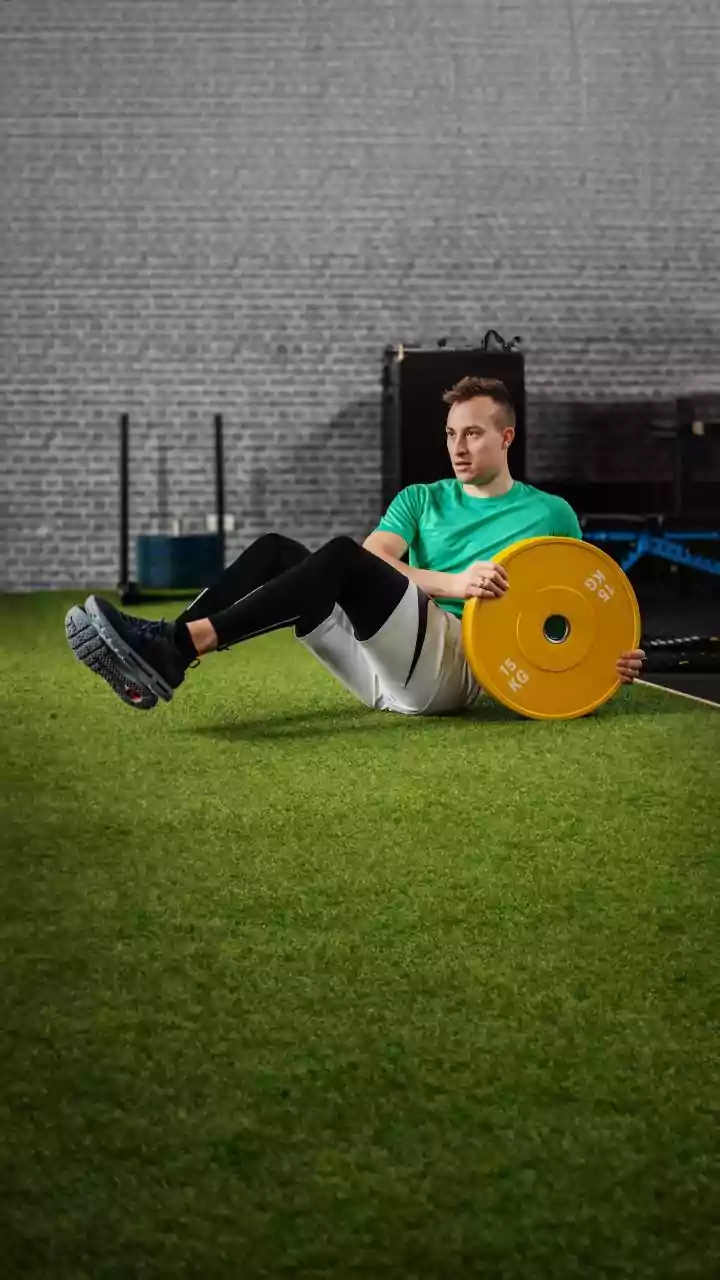
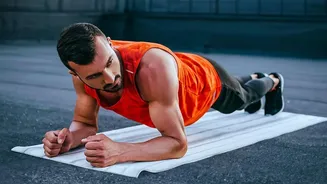
While Pilates builds the stable foundation, high-intensity circuit training (HIIT) brings the power. HIIT involves short, intense bursts of exercise followed by brief rest periods. This type of training is excellent for building muscle, boosting metabolism, and improving cardiovascular health. When it comes to the core, HIIT circuits that include dynamic movements like squat jumps, mountain climbers, or kettlebell swings force your core to work in a different way. It has to brace, rotate, and react quickly to powerful movements. This builds the strength and endurance of the larger, more superficial core muscles—the ones that produce force and allow for explosive, athletic movements. It's a full-body workout that challenges your core to stay engaged under pressure.
The Synergy: Why Two Are Better Than One
The real magic happens when you combine these two distinct approaches. Pilates focuses on the small, deep stabilising muscles, while HIIT targets the large, global muscles responsible for powerful movements. By training both, you get the best of both worlds. Pilates teaches you body awareness and how to engage your core correctly, which you can then apply during high-intensity exercises, making them safer and more effective. This leads to balanced muscle development, where you are not just strong, but also flexible and stable. A core that is only trained for stability may lack power, while a core only trained for power may lack the deep control needed to prevent injury. Together, they build a core that is resilient, functional, and ready for any challenge, from lifting groceries to running a marathon.
Avoiding the Pitfalls of a One-Sided Routine
Focusing solely on one type of training can lead to imbalances. Relying only on high-intensity work without a foundation of stability can put you at a higher risk for injury, particularly in the lower back, as larger muscles compensate for a weak inner core. Conversely, sticking only to slow, controlled movements like those in Pilates might leave you with excellent posture and stability but lacking the cardiovascular endurance and raw power needed for more demanding physical activities. Some Pilates enthusiasts, for example, may find they are strong and flexible but struggle with running up a flight of stairs. Combining the two disciplines ensures you develop a truly well-rounded level of fitness, improving both your strength and your stamina.
How to Structure Your Week
Integrating both Pilates and HIIT into your routine doesn't have to be complicated. A balanced approach is key to allow for adequate recovery. A sample week could include two to three Pilates sessions and two HIIT or circuit training sessions, with rest days or active recovery (like walking or gentle stretching) in between. For example:
Monday: HIIT/Circuit Training
Tuesday: Pilates
Wednesday: Rest or Active Recovery
Thursday: HIIT/Circuit Training
Friday: Pilates
Saturday & Sunday: Rest or light activity.
Alternating high- and low-intensity days gives your muscles time to repair and grow stronger. Pilates can even be used as a form of active recovery after an intense HIIT session, helping to stretch sore muscles and improve circulation.