



The Price of Disruption
The most widely cited figure for the cost of running Parliament is approximately ₹2.5 lakh per minute. This estimate, though based on a calculation from over a decade ago, remains the primary reference point. This means every hour of parliamentary proceedings
costs the nation about ₹1.5 crore, and a full six-hour working day costs around ₹9 crore. When disruptions lead to a complete washout of a session day, this is the amount of public money that is effectively spent without any legislative work being done. In the Budget Session of 2026, for example, it was estimated that combined losses for both Houses due to disruptions amounted to approximately ₹57 crore.
Where Does the Money Go?
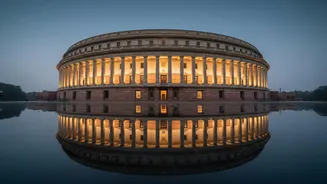
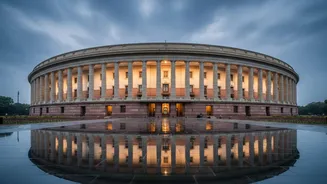
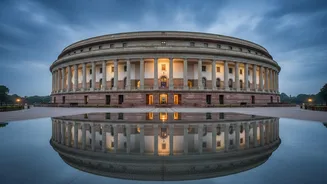
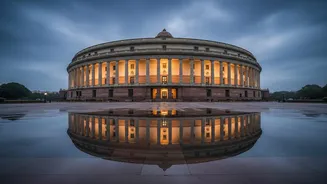
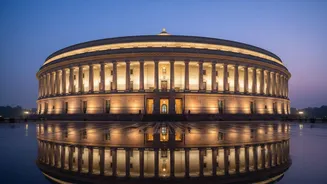
This significant operational cost is not just a single expense but a combination of numerous ongoing expenditures. The calculation includes the salaries and allowances paid to the Members of Parliament in both the Lok Sabha and Rajya Sabha. It also covers the salaries for a massive contingent of parliamentary staff, security personnel, and other employees who keep the institution running. Furthermore, the cost includes the maintenance of the expansive Parliament building, utility bills like electricity and water, and various logistical expenses that do not stop even when the houses are adjourned.
The Legislative and Democratic Cost
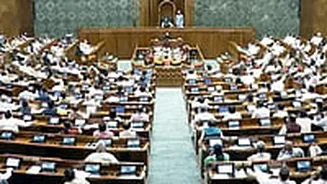
Beyond the crores of rupees, the more profound cost of a parliamentary washout is democratic and legislative. Each session is meticulously planned to include Question Hour, Zero Hour, debates on bills, and discussions on matters of urgent public importance. Question Hour is a critical tool for holding the government accountable, allowing MPs to ask direct questions to ministers. When this is lost to disruptions, a key pillar of executive accountability is weakened. The ongoing Monsoon Session of 2026, for instance, has seen repeated disruptions over several issues, preventing MPs from raising crucial public concerns.
Delayed Bills and Stalled Progress
Parliament's primary function is to legislate. When sessions are washed out, the introduction, discussion, and passage of new laws are indefinitely delayed. These are not just abstract legal documents; they are policies that affect the economy, social welfare, infrastructure, and the daily lives of citizens. A stalled Parliament means stalled progress. Important legislation can be held up for months or even years, creating a policy logjam. In some cases, to make up for lost time, bills are passed with minimal debate, which can lead to poorly drafted laws that overlook critical details, defeating the very purpose of parliamentary scrutiny.
A Declining Trend
Data shows a worrying trend of Parliament meeting for fewer days compared to the early decades of our republic. In the 1950s, Parliament would sit for over 120 days a year. By the 17th Lok Sabha (2019-2024), this had dropped to an average of about 55 days annually. When this already limited time is further eroded by disruptions, the effectiveness of the nation's highest legislative body is severely compromised. One analysis estimated that between 2014 and 2024, the cost of time lost to disruptions amounted to over ₹3,300 crore. This highlights a long-term problem where taxpayers are consistently paying for political gridlock instead of productive debate.