




The Power of Pulses
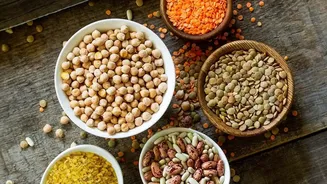
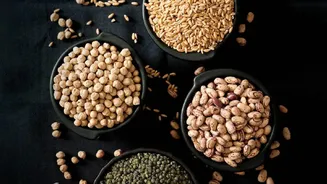
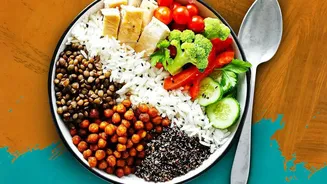
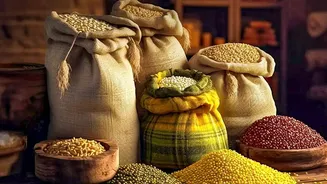
Pulses are the backbone of Indian cuisine, providing plant-based protein, fibre, and substance to countless meals. For a foundational pantry, start with a few key varieties. Toor dal (split pigeon peas) is essential for staples like sambar and simple
dal fry. Masoor dal (red lentils) cooks quickly, making it perfect for weeknight meals, while moong dal (split green gram) is famously easy to digest and versatile enough for both savoury dishes and desserts. Beyond these, consider stocking chana (chickpeas) and rajma (kidney beans). While they require soaking, their creamy texture and robust flavour are indispensable for classic curries. Having these five pulses on hand ensures you can prepare a wide array of comforting and nutritious dals and curries at a moment's notice.
Go With the Grain
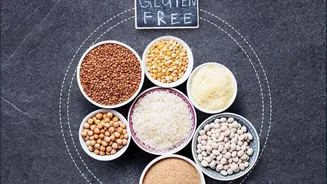
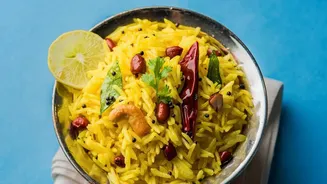
Grains provide the canvas for our meals, and a smart selection goes beyond just one type of rice or flour. Fragrant basmati rice is a must-have for biryanis and pulaos, but a reliable everyday rice like Sona Masoori is equally important for daily meals. Whole wheat flour (atta) is non-negotiable for making chapatis and rotis. To diversify your nutritional intake, consider incorporating millets, which are making a strong comeback in modern Indian kitchens. Grains like jowar (sorghum), bajra (pearl millet), and ragi (finger millet) are packed with fibre and minerals. They can be used to make traditional rotis or mixed into doughs, offering a healthy alternative to refined flours. These ancient grains not only boost nutrition but also add new textures and flavours to your cooking.
The Foundation of Flavour
Aromatic basics and key spices are what transform simple ingredients into a spectacular meal. The essential aromatics to always have on hand are onions, ginger, and garlic; a pre-made ginger-garlic paste can be a convenient time-saver. For cooking fats, ghee is a cornerstone for its rich flavour, alongside a neutral vegetable oil for everyday frying and tadkas. Your spice box should be anchored by the essentials: turmeric (haldi), red chilli powder, cumin seeds (jeera), mustard seeds (rai), and coriander powder (dhania). A quality garam masala is crucial for finishing dishes. To add depth and complexity, consider whole spices like cinnamon, cloves, cardamom, and dried red chillies, which release their flavour beautifully when tempered in hot oil.
Versatile Supporting Stars
Beyond the core categories are the versatile basics that round out your pantry and unlock a wider range of recipes. Tamarind paste provides a tangy, sour note essential for South Indian curries and chutneys. Jaggery or sugar are needed for balancing flavours. For quick meals, canned tomatoes or tomato puree are invaluable, saving time on preparation. Don't forget the power of fresh ingredients that have a decent shelf life, like curry leaves and fresh coriander, which can be stored properly to extend their use. These supporting ingredients are the secret to adding that final layer of authentic flavour and convenience to your cooking.
Smart Storage for Lasting Freshness
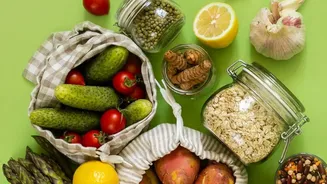
Stocking your pantry is only half the battle; proper storage is key to maintaining freshness and preventing waste, especially in humid climates. Store pulses, grains, and flours in airtight containers to protect them from moisture and pests. Glass jars or food-grade plastic containers are excellent choices. Spices, particularly ground ones, lose their potency when exposed to heat, light, and air. Keep them in a cool, dark cupboard away from the stove. For items like ginger-garlic paste, refrigeration after opening is a must. By investing a little thought into how you store your staples, you ensure they remain fresh and flavourful for longer, making your well-stocked pantry a truly reliable resource.